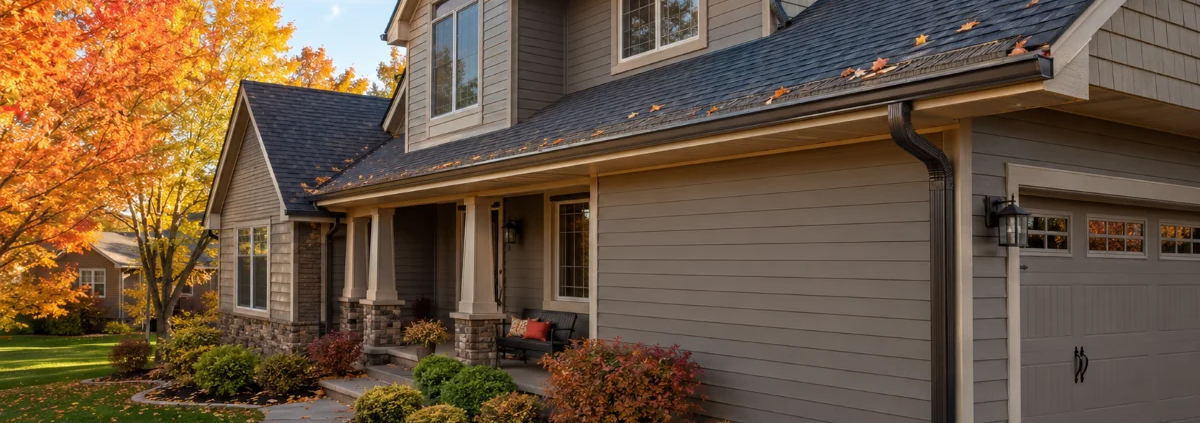

Summary: You do not always need to replace gutters when replacing siding, but combining both projects can make sense. Siding work often provides access to fascia, soffits, flashing, and other areas connected to the gutter system. If gutters are damaged, outdated, or already nearing replacement, coordinating both projects can improve efficiency and reduce duplicated work.
Should You Replace Gutters When You Replace Siding?
Not always. Gutters that remain secure, properly pitched, and free from major damage may continue to perform well after new siding is installed. Replacement becomes more practical when gutters are leaking, sagging, corroded, undersized, or already nearing the end of their useful life. Project timing also matters. Siding replacement can expose fascia, soffits, trim, flashing, and other areas near the roofline. Coordinating gutter work at the same time can make those areas easier to inspect and repair. If you are planning siding replacement with 1st Choice Remodeling, it is worth evaluating the gutter system before work begins.
Frequently Asked Questions About Gutters and Siding

Do gutters have to come off when siding is replaced?
Not always. The answer depends on the home, gutter placement, fascia condition, and scope of siding work. Some projects may require temporary removal for proper access.
Should old gutters be replaced with new siding?
It can make sense when the gutters are already damaged, leaking, sagging, or nearing replacement. Functional gutters may not need to be replaced.
Can bad gutters damage new siding?
Yes. Leaking or overflowing gutters can direct water onto siding, fascia, and foundations. Proper drainage helps protect the new exterior.
Should fascia and soffits be checked during siding replacement?
Yes. Siding replacement can provide better access to fascia and soffit areas. Damaged or deteriorated materials should be addressed before new finishes are installed.
Is it cheaper to replace gutters and siding together?
It may reduce duplicated labor or repeated setup in some cases. Actual savings depend on project scope, home design, and existing conditions.
Why Gutters and Siding Should Be Evaluated Together
Gutters and siding perform different jobs, but both help protect the home from water. Siding protects exterior walls from weather exposure. Gutters collect roof runoff and direct it away from the house. Problems in one system can affect the other. Overflowing gutters can saturate siding and trim. Poor drainage may also contribute to staining, rot, or moisture problems near the foundation. That is why it makes sense to evaluate both systems before a major exterior remodeling project begins.
When Does Gutter Replacement Make Sense With New Siding?
Replacing both systems can make practical sense when the gutters already show significant wear. Sagging sections, persistent leaks, corrosion, poor pitch, and damaged downspouts are common warning signs. It may also make sense when the gutters have been removed several times for repairs. Repeated removal and reinstallation can create extra labor and increase the chance of damage. Combining the work can simplify project sequencing when both systems already need attention.
When Can Existing Gutters Stay?
Gutters do not need replacement simply because new siding is being installed. A well-performing system may remain in place if it drains correctly and is securely attached. Homeowners should look at overall condition rather than age alone. Gutters that remain straight, leak-free, and properly pitched may still have useful service life. A contractor can inspect the system before siding work begins and determine whether removal, repair, or replacement makes the most sense.
How Gutters Protect New Siding
Gutters help keep roof runoff from flowing directly over exterior walls. That protects siding, trim, windows, landscaping, and other areas below the roofline. When gutters clog or overflow, water can repeatedly wash over siding. Over time, that moisture may contribute to staining or deterioration around joints and trim. Downspouts also matter. They should carry water away from the home instead of releasing it near the foundation. The University of Minnesota Extension recommends directing roof runoff away from foundations to reduce moisture concerns. Learn more from University of Minnesota Extension guidance on foundation moisture.
Why Fascia and Soffits Matter During Both Projects
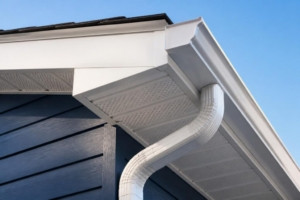
Gutters are usually attached near the fascia board along the roof edge. Soffits sit underneath the roof overhang. Both areas can show damage after years of water exposure. Siding replacement provides a good opportunity to inspect these components. Contractors may find rot, peeling finishes, loose materials, or signs of moisture near the roofline. Addressing those problems before installing new siding or gutters can help protect the finished work.
What Should Be Checked Before Reusing Existing Gutters?
Before gutters are reused, the system should be inspected for several common problems. Small issues may be repairable. Widespread deterioration may justify replacement.
- Loose or separated gutter sections
- Visible leaks at seams or corners
- Gutters pulling away from fascia
- Standing water caused by poor pitch
- Damaged or crushed downspouts
- Corrosion or holes
- Overflow during normal rainfall
- Water staining on siding or fascia
These signs can help determine whether the current gutter system will complement the new siding or create future problems.
Can Old Gutters Damage New Siding?
Yes, poorly performing gutters can affect new siding. Water that repeatedly spills over the gutter edge can run down exterior walls. That can create staining and additional moisture exposure. Loose gutters may also pull against fascia or trim. Damaged downspouts can release water too close to the house. New siding will perform best when the surrounding drainage system also works correctly.
Should Gutters Be Removed Before Siding Installation?
That depends on the home and installation plan. Some gutter systems may remain in place during portions of the project. Others may need temporary removal so crews can access fascia, trim, or wall areas properly. Temporary removal should be planned carefully. Gutters should not be bent, twisted, or damaged during the process. Reinstallation must also restore proper pitch and drainage. When gutters already need replacement, installing new ones after siding work is often the cleaner approach.
Which Project Should Come First: Siding or Gutters?
In many combined projects, siding work comes before final gutter installation. That sequence can provide better access to fascia, trim, flashing, and exterior wall details. Once siding and related trim are complete, new gutters can be installed without interfering with finished wall work. The exact sequence still depends on the home and project scope. Planning both systems before work begins helps avoid unnecessary removal and reinstallation.
How Do Gutters Fit Into a Complete Water-Management System?
Gutters are only one part of exterior water management. Roofing, flashing, siding, trim, downspouts, grading, and drainage all work together. If one component fails, water may reach areas that were not designed for repeated exposure. That is why exterior remodeling should consider the entire pathway water follows from the roof to the ground.
| Exterior Component | Main Job | What Can Happen When It Fails |
|---|---|---|
| Roofing | Sheds rain and snow | Water can enter the roof system. |
| Flashing | Protects joints and transitions | Moisture may enter around openings or roof intersections. |
| Siding | Protects exterior walls | Walls may face increased weather exposure. |
| Gutters | Collects roof runoff | Water can spill onto siding or foundations. |
| Downspouts | Directs water away from the home | Water may collect near the foundation. |
Are Leaf-Free Gutters Worth Considering?
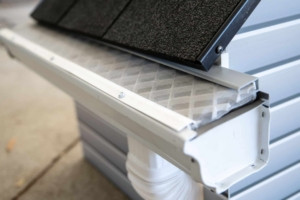
Leaf protection can reduce the amount of debris entering the gutter system. That can be helpful for Minnesota homes surrounded by mature trees. No gutter system is completely maintenance-free. However, reducing leaves and debris can help lower the risk of clogs and overflow. 1st Choice Remodeling installs seamless leaf-free gutter systems as part of its exterior remodeling services.
Does Gutter Color Matter With New Siding?
Yes. Gutters and downspouts can have a noticeable effect on exterior appearance. Homeowners often coordinate them with siding, trim, roofing, or fascia colors. Matching gutters to trim can create a cleaner roofline. Matching downspouts to siding can help them blend into the exterior. Planning colors together can produce a more intentional finished appearance.
Should You Replace Siding Before Winter?
Some siding projects can continue during colder weather when conditions and product requirements allow. Serious deterioration should be evaluated instead of automatically waiting until spring. Our related guide, Can You Replace Siding in Winter in Minnesota?, explains how cold-weather installation works.
How Does This Fit Into Your Exterior Remodeling Plan?

Gutters and siding should be considered alongside roofing, windows, doors, fascia, and other exterior components. Each system contributes to weather protection and drainage. Our October pillar guide, Minnesota Exterior Remodeling: What Should You Replace Before Winter?, helps homeowners decide which projects deserve attention first. The goal is not to replace every exterior component at once. The goal is to coordinate work where it improves protection, efficiency, and long-term value.
When Should You Keep the Existing Gutters?
Keeping the existing gutters can make sense when they remain structurally sound. They should drain correctly, stay firmly attached, and show no major leaks or corrosion. Replacing functional gutters simply because siding is being replaced may add unnecessary cost. A proper inspection can help determine whether reuse is practical.
When Should You Replace Both?
Replacing both systems together may make sense when siding and gutters show significant wear. It can also help when fascia or soffit repairs require both systems to be removed. Coordinating the work can simplify scheduling and create a cleaner finished exterior. It also gives the contractor an opportunity to address connected water-management issues at the same time.
Plan Gutters and Siding as Part of the Same Exterior System
You do not automatically need new gutters when you replace siding. However, both systems should be evaluated before work begins. Good gutters help protect new siding by directing water away from exterior walls. Good siding helps protect the wall system beneath it. When both systems work correctly, they support the home’s overall weather protection. 1st Choice Remodeling provides siding, seamless gutters, roofing, windows, doors, and other exterior remodeling services throughout the Twin Cities area. Contact 1st Choice Remodeling to request a free in-home estimate and discuss siding and gutter options for your Minnesota home.
For more homeowner guidance, visit the 1st Choice Remodeling blog.

Published October 2026
Authored By Jacqueline McGreevey
Expert Review By Brett Curtis