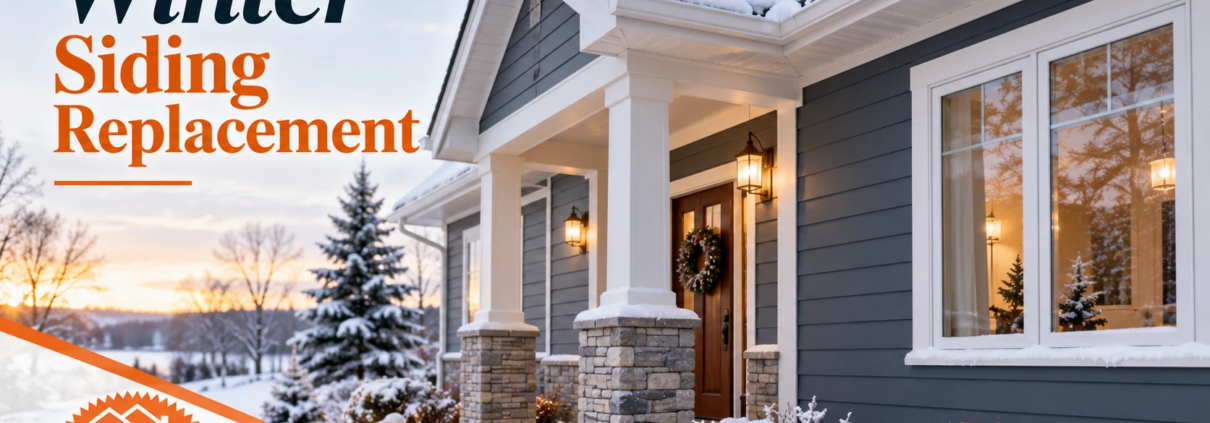
Summary: Winter siding replacement is possible in Minnesota when weather, materials, and installation conditions allow. Professional installers account for cold temperatures, moisture, product requirements, and safe working conditions. Homeowners with damaged or failing siding may not need to wait until spring for replacement.
Can You Replace Siding in Winter in Minnesota?
Yes, siding can often be replaced during a Minnesota winter. Cold weather does not automatically stop exterior remodeling. The project must still meet manufacturer requirements, weather conditions, and safe installation practices. The best timing depends on the siding material and the condition of your home. Minor cosmetic issues may wait until spring. Serious deterioration, loose siding, or moisture concerns may deserve attention sooner. If you are considering siding replacement with 1st Choice Remodeling, an inspection can help determine the right timing.
Frequently Asked Questions About Winter Siding Replacement

Is it too cold to install siding during a Minnesota winter?
Not necessarily. Some siding materials can be installed during colder weather when manufacturer requirements are followed. Severe cold, snow, ice, or unsafe conditions may require rescheduling.
Does siding become brittle in cold weather?
Some siding materials become less flexible as temperatures drop. Installers must handle and fasten each product according to its specific requirements.
Can LP SmartSide be installed during winter?
LP SmartSide can be used in cold climates, but proper installation remains essential. Moisture control, flashing, fastening, and manufacturer instructions should guide the project.
Can James Hardie siding be installed in cold climates?
Yes. James Hardie offers products designed for northern climate zones. Correct installation remains important for long-term performance.
Should damaged siding wait until spring?
Not always. Loose panels, rot, cracks, water intrusion, or widespread deterioration may justify earlier replacement. A professional inspection can help determine urgency.
Why Homeowners Consider Winter Siding Replacement

Siding problems can become more noticeable once Minnesota weather turns cold. Loose panels may move in strong winds, cracks may expose vulnerable areas, and damaged sections can allow moisture behind the exterior surface. Winter conditions can reveal problems that were easier to overlook during summer. Homeowners may also notice cold spots, moisture staining, or deteriorated trim near damaged areas. Siding is only one part of the exterior wall system. However, it plays an important role in protecting the materials underneath.
How Does Winter Siding Installation Work?
The basic siding installation process remains similar throughout the year. Existing siding is removed when necessary, and the wall beneath it is inspected. Flashing, weather barriers, trim, and other components are then prepared before the new siding is installed. Cold-weather installation requires additional attention to material handling and site conditions. Installers also need safe access around the home. Snow and ice may need to be cleared before work begins. Each siding product has its own installation requirements. Those instructions should guide fastening, spacing, flashing, and moisture management.
What Can Make Winter Siding Installation More Difficult?
Temperature is only one factor in winter siding replacement. Wind, snow, ice, moisture, and daylight hours can all affect the work. Severe weather may make certain installation days unsuitable. Some materials also react differently to temperature changes. Products can expand, contract, or become less flexible as temperatures change. Professional installers account for those characteristics during installation. A short weather delay is often better than forcing work during unsafe conditions.
Why Manufacturer Instructions Matter in Cold Weather
Winter siding installation should follow the same manufacturer requirements used during any other season. Moisture control, flashing, fastening, clearances, and weather barriers remain critical. LP SmartSide installation instructions require proper water-resistive barriers and flashing around openings. The manufacturer also warns against installing siding over rain-soaked or buckled sheathing. You can review the LP SmartSide installation requirements. James Hardie also produces siding designed for northern climate zones. Its HZ5 products are designed for areas with freezing temperatures and seasonal moisture. Learn more from James Hardie’s cold-climate siding information.
What Siding Problems Should Not Be Ignored Before Winter?
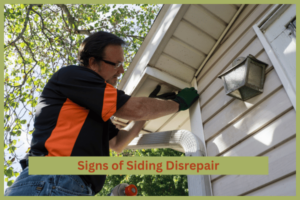
Not every siding flaw requires immediate replacement. Faded color or minor cosmetic wear may not affect the home’s protection. Structural deterioration deserves more attention.
- Loose or missing siding sections
- Cracked or broken panels
- Rot or soft areas
- Visible moisture damage
- Warping or bowing
- Large gaps around joints or trim
- Damaged flashing near windows or doors
- Signs of water entering behind the siding
These issues can allow wind or moisture to reach the wall system. An inspection can help determine whether repair or replacement makes more sense.
Does Damaged Siding Always Require Full Replacement?
No. Localized damage may only require repair. One cracked panel or a small damaged area does not automatically mean the entire house needs new siding. Replacement becomes more practical when deterioration affects large areas. It may also make sense when the existing siding is nearing the end of its service life. Matching older siding can sometimes be difficult as well. A professional evaluation should consider condition, age, moisture exposure, and the extent of damage.
Which Siding Materials Work Well for Minnesota Homes?
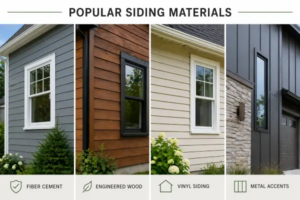
Minnesota homes need siding that can handle temperature swings, moisture, wind, and freezing weather. Different materials offer different advantages. Product quality and installation quality both matter.
| Siding Type | Common Benefits | Cold-Weather Consideration |
|---|---|---|
| LP SmartSide | Engineered wood appearance, durability, multiple styles | Requires proper moisture control, flashing, and installation. |
| James Hardie Fiber Cement | Durability, fire resistance, low maintenance | Northern climate products are designed for freezing conditions. |
| Vinyl Siding | Low maintenance, many colors, economical | Cold temperatures can affect flexibility during handling. |
| Steel Siding | Durable, weather-resistant, low maintenance | Proper fastening and trim installation remain important. |
1st Choice Remodeling installs several siding options for Minnesota homeowners. The right product depends on the home, budget, appearance goals, and maintenance preferences.
Can Winter Siding Replacement Improve Comfort?
New siding can improve the exterior wall system, but siding alone does not determine energy efficiency. Insulation, air sealing, windows, doors, and wall construction all affect indoor comfort. Siding replacement does create an opportunity to inspect the wall beneath the old material. Contractors may discover damaged sheathing, failed flashing, or other areas that need correction. Addressing those problems can improve the overall performance of the exterior assembly.
Why Moisture Management Matters Before Winter
Water can create significant problems when it reaches materials behind siding. Freezing temperatures may further stress already damaged areas. Proper flashing and drainage help move water away from vulnerable parts of the wall. Windows, doors, roof intersections, vents, and exterior penetrations deserve careful attention. These transitions are common places where siding connects with other materials. LP SmartSide’s current installation guidance emphasizes water-resistive barriers and properly flashed openings. Those requirements demonstrate why siding performance depends on the complete wall system, not only the visible surface.
Should Siding and Gutters Be Replaced Together?
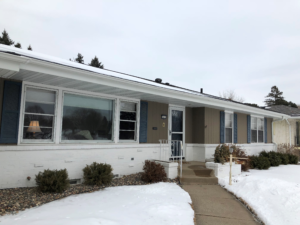
Sometimes coordinating siding and gutter work makes sense. Gutters, fascia, soffits, trim, and siding meet along important areas of the exterior. Removing one component may provide easier access to another. However, functional gutters do not automatically need replacement when siding is replaced. Condition and project sequencing should guide the decision. Our related article, Should You Replace Gutters When You Replace Siding?, explains when combining these projects may be useful.
Should You Replace Siding Before or After Windows?
Project order depends on the work being completed. Window replacement affects flashing, trim, and siding around each opening. Coordinating the projects can reduce duplicated work. If both windows and siding need replacement, discuss the full plan before either project begins. A contractor can determine the most efficient order based on the home and selected products. Homeowners considering both projects can also read Can You Replace Windows in Winter in Minnesota?.
How Does Winter Siding Replacement Fit Into a Larger Exterior Plan?
Siding should not be evaluated in isolation. Roofing, windows, doors, gutters, fascia, and soffits all contribute to weather protection. Problems in one area may affect another. Our October pillar guide, Minnesota Exterior Remodeling: What Should You Replace Before Winter?, helps homeowners prioritize these exterior systems. The goal is not to replace everything before winter. The goal is to identify which problems could become more serious if ignored.
When Might Waiting Until Spring Make Sense?
Waiting can make sense when the existing siding remains secure and weather-resistant. Cosmetic updates, color changes, and minor wear often do not require urgent winter replacement. Very severe weather may also make postponement practical. Homeowners can still use winter to compare materials, colors, costs, and project schedules. Planning ahead can make spring installation easier to organize.
Winter Does Not Automatically Stop Siding Replacement
Winter siding replacement can be a practical option for Minnesota homeowners. The right decision depends on siding condition, material requirements, weather, and safe installation conditions. Loose siding, rot, moisture damage, or widespread deterioration should be evaluated instead of automatically postponed. A professional inspection can help determine whether repair, replacement, or waiting until spring is best. 1st Choice Remodeling provides siding, roofing, windows, gutters, doors, and other exterior remodeling services throughout the Twin Cities area.
Contact 1st Choice Remodeling to request a free in-home estimate and discuss siding options for your Minnesota home.
For more homeowner guidance, visit the 1st Choice Remodeling blog.

Published October 2026
Authored By Jacqueline McGreevey
Expert Review By Brett Curtis