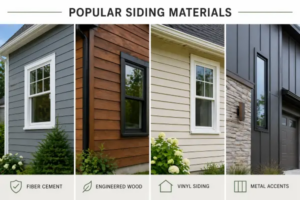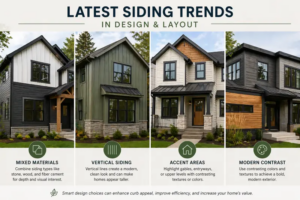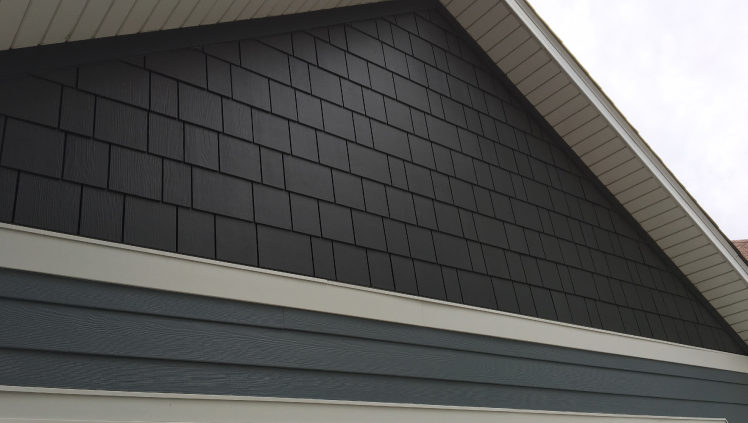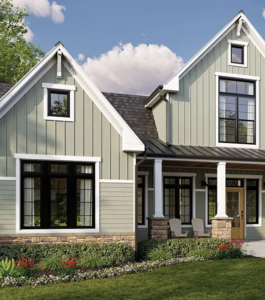
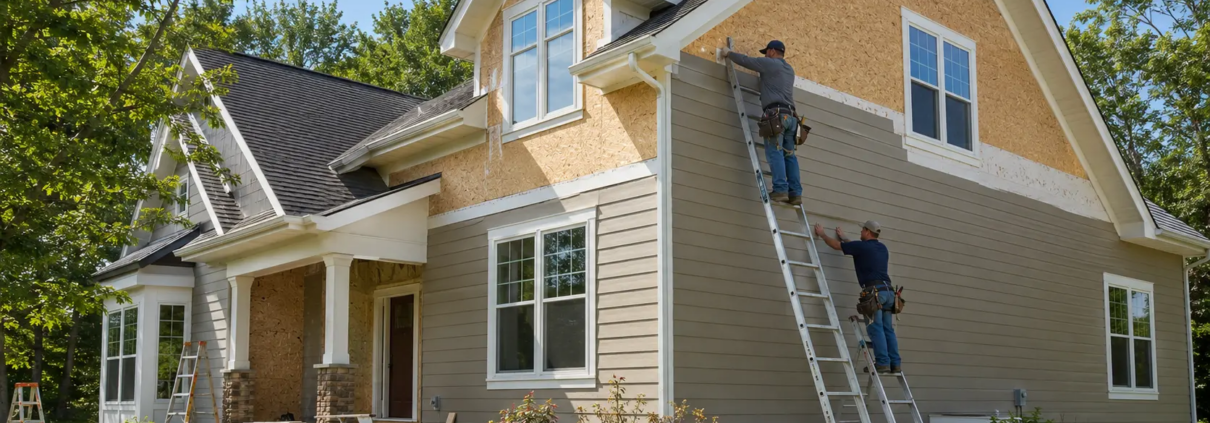
Fiber cement siding posts covering performance, weather resistance, maintenance needs, and how this material compares to vinyl, steel, and engineered wood.

Tag Archive for: Fiber Cement Siding

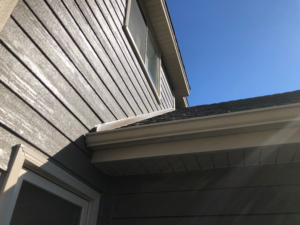
Hail Damaged siding

Siding Repair After Hail Damage helps protect your home from moisture intrusion, insulation loss, and worsening exterior wear. After a hailstorm, even small cracks or dents can lead to larger problems if they are ignored.

  • Siding Repair After Hail Damage should begin with a professional inspection of all exposed sides of the home.
  • Hail can crack vinyl, chip fiber cement, dent metal, and loosen seams without causing immediate leaks.
  • Early repairs help prevent moisture damage, mold growth, and reduced energy efficiency.
  • Some homes need only targeted siding repairs, while others benefit more from full replacement.
  • Color fading, discontinued products, and widespread impact marks often influence the repair-versus-replace decision.
  • Professional documentation also helps homeowners understand the full scope of storm-related exterior damage.

Frequently Asked Questions

FAQ's

How do I know if my siding has hail damage?

Look for cracks, chips, dents, holes, loose panels, or impact marks. Hail damage may also show up as broken seams or exposed material beneath the surface.

Can hail damage siding without causing obvious holes?

Yes. Hail can weaken siding panels, loosen connections, or create small fractures that worsen over time. Damage does not need to be dramatic to become a problem later.

Is repair enough, or do I need full siding replacement?

That depends on the age of the siding, the extent of the damage, and whether matching materials are still available. Small isolated damage may be repaired, but widespread damage often makes replacement the better long-term option.

What types of siding are commonly damaged by hail?

Vinyl siding often cracks or breaks. Fiber cement may chip. Aluminum or steel siding may dent. Wood siding can also split or lose protective finish after impact.

Should I wait if the siding still looks mostly okay?

No. Small damage can allow water behind the siding. That can affect insulation, wall sheathing, and interior spaces over time. Prompt inspections help prevent bigger repairs later.

Why is professional inspection important after a hailstorm?

Professionals can identify subtle storm damage that homeowners may miss. They also evaluate trim, soffits, fascia, flashing, and other exterior elements that may have been affected.

When a storm moves through Ramsey, siding often takes more damage than homeowners first realize. Siding Repair After Hail Damage is important because the exterior shell of the home does more than create curb appeal. It also protects the structure from moisture, wind, temperature shifts, and long-term wear. Once hail compromises that protective layer, small issues can quickly become larger and more expensive ones.

Hail damage does not always leave dramatic holes or missing sections. In many cases, it creates cracks, dents, chips, or stress points that weaken the siding system. As a result, water can begin working its way behind the panels. Over time, that can damage insulation, house wrap, wall sheathing, and even interior finishes. Therefore, quick action matters.

What Hail Damage Can Do to Different Types of Siding

Different siding materials respond to hail in different ways. That is why professional inspection is so important. The signs are not always the same from one home to another.

Vinyl siding often develops cracks, punctures, or brittle breaks after hail impact. This is especially common on older siding that has already been exposed to years of sun and temperature swings. Fiber cement siding is more durable, yet hail can still chip the surface or damage edges and corners. Metal siding may resist cracking, but it can show visible dents and impact marks. Wood siding can split, scar, or lose painted protection after repeated storm exposure.

Additionally, damage may show up around trim, corners, soffits, and window lines before it becomes obvious across the main wall sections. Because of that, a careful inspection should cover the full exterior rather than only the areas visible from the street.

Why Small Siding Damage Should Not Be Ignored

Siding Repair

It is easy to dismiss minor exterior damage after a storm. However, small cracks and chips can create bigger issues later. Moisture is usually the biggest concern. Once water gets behind damaged siding, it can sit against the home and cause hidden deterioration.

That can lead to several problems, including:

  • Water intrusion behind siding panels
  • Softening or rot in wall sheathing
  • Mold and mildew growth
  • Reduced insulation performance
  • Higher heating and cooling costs
  • More costly future repairs

In addition, damaged siding can make the entire home look worn and poorly maintained. Even if the structural issue remains limited, the visual effect can reduce curb appeal and perceived value.

When Siding Repair Makes Sense

Repair is often the right solution when damage is limited and the rest of the siding remains in good condition. For example, one elevation of the home may take the brunt of a hailstorm while the other sides remain largely unaffected. In that case, replacing only the damaged sections may be practical.

Repair tends to work best when:

  • Damage is isolated to a smaller area
  • The siding is still structurally sound overall
  • Matching color and profile are still available
  • The home has no hidden moisture issues beneath the surface
  • The storm did not affect multiple elevations heavily

Targeted repairs can restore protection and appearance without requiring a full exterior update. However, matching is often a major factor. Even when the same product line still exists, sun exposure may have faded the original siding. That can make new sections stand out more than expected.

When Replacement Is the Better Choice

Siding-Types

Sometimes replacement offers better value than repair. If hail has damaged several sides of the home, or if the siding is already aging, full replacement may be the smarter investment. It can create a more uniform look, improve weather resistance, and eliminate patchwork results.

Replacement is often the better option when:

  • Damage appears across large areas of the home
  • The existing siding is older or brittle
  • Matching panels are no longer available
  • Previous repairs have already created uneven appearance
  • Moisture has affected materials behind the siding

Full replacement also gives homeowners a chance to update the home’s style. New siding colors, trim combinations, and material profiles can completely refresh the exterior. Consequently, the storm repair process can become an opportunity for a broader curb appeal upgrade.

How Hail Damage Affects Energy Efficiency

Siding trim protection

Siding does more than cover the outside of the house. It works with the wall system to help reduce drafts and protect insulation. When panels loosen, crack, or separate, they allow more outdoor air and moisture to interfere with the building envelope.

That means damaged siding can contribute to energy loss. In Minnesota, where homes face both hot summers and freezing winters, maintaining a tight exterior matters. Therefore, prompt repairs or replacement can help preserve comfort inside the home while supporting better efficiency year-round.

Curb Appeal and Long-Term Value

Storm damage affects appearance as well as performance. Cracked or dented siding can make an otherwise beautiful home look neglected. This is especially true when the damage appears on the front elevation, near entryways, or around windows. Because siding covers so much of the home’s visible exterior, even modest damage can make a big visual impact.

New or restored siding improves:

  • Overall curb appeal
  • Exterior color consistency
  • Clean, finished appearance
  • Buyer perception and resale value
  • Confidence in the home’s condition

For many homeowners, siding work is not only about repairing storm damage. It is also about restoring pride in the appearance of the home.

Cost Considerations for Repair or Replacement

Costs vary based on material type, home size, height, accessibility, and the extent of the damage. Repair usually costs less upfront than replacement. Still, replacement may offer better long-term value when damage is widespread or matching materials are hard to find.

Common factors that affect cost include:

  • The number of impacted walls or sections
  • The siding material and profile
  • The age and condition of the current siding
  • The need for trim, soffit, or fascia work
  • Whether moisture damage exists underneath

That is why an inspection matters so much. A lower upfront repair cost may not be the best choice if hidden damage remains or if the finished appearance becomes inconsistent. On the other hand, targeted repair can be very effective when the damage is limited and the siding is still in strong condition.

Why Professional Evaluation Matters After a Hailstorm

Insurance Claim Process

Storm damage can be easy to underestimate. A professional contractor looks beyond the obvious dents or cracks. They also assess seams, moisture exposure, trim pieces, and the condition of underlying materials. As a result, homeowners get a clearer picture of what needs attention now and what might become a problem later.

Professional documentation also helps organize the project scope. That makes it easier to understand whether repair or replacement provides the best protection, appearance, and value for the home.

If you want to see examples of finished exterior work, visit the 1st Choice Remodeling Portfolio Page. For more remodeling insights and seasonal tips, explore the Blog Page.

For additional homeowner information about storm recovery and exterior protection, the U.S. Department of Housing and Urban Development offers reputable home improvement guidance.

Take the Next Step After Hail Damage

When hail damages your siding, waiting can lead to more expensive problems. Cracks, chips, and loose sections can allow moisture in and reduce the protection your home depends on every day. A timely inspection helps you understand the condition of your siding and choose the right next step.

If your home may need professional exterior repairs after a storm, now is the time to act. Contact 1st Choice Remodeling to schedule an evaluation and learn whether siding repair or full replacement is the best fit for your home.

1st Choice Remodeling logo

Published April 2026

Siding-Types

Highlight Summary: If you’re researching Types of Home Siding, this guide compares the most common options in plain English. You’ll see practical pros and cons, what matters most in a harsh climate, and how to choose a siding that fits your home, budget, and maintenance style.

Choosing Types of Home Siding can feel overwhelming at first. Every material has tradeoffs. The “best” choice depends on your goals, your neighborhood, and how much maintenance you want long term.

At 1st Choice Remodeling, we help homeowners compare siding options with real-world priorities. That includes durability, moisture management, curb appeal, and total cost of ownership. If you want help narrowing it down, visit our Siding page or reach out through our Contact page.

How to Compare Siding Like a Pro

siding colors

Forget “what’s most popular.” Ask questions that protect your investment.

  • Weather exposure: wind, freeze-thaw cycles, hail, sun.
  • Moisture control: flashing details, drainage, and drying ability matter.
  • Maintenance tolerance: do you want to paint, wash, or mostly ignore it?
  • Budget reality: compare installed cost, not just material cost.
  • Style match: some sidings fit specific architecture better.

Moisture is one of the biggest long-term threats to exterior walls. Good design and installation details reduce rot and mold risk. The U.S. EPA’s moisture control guidance is a strong reference if you want to go deeper:
EPA Moisture Control Guidance.

Quick Comparison Table: Pros and Cons

This table covers the most common siding choices homeowners compare.

Material Best For Pros Cons
Vinyl Budget + low maintenance Affordable, low upkeep, many styles Can crack in extreme cold, impact can show, insulation varies
Insulated Vinyl Comfort + efficiency upgrades Added rigidity, improved energy performance Higher cost than standard vinyl, detailing still matters
Fiber Cement Durability + fire resistance Strong, stable, paint holds well, pest resistant Heavier, more labor, needs correct clearances and flashing
Engineered Wood Wood look with modern performance Great curb appeal, lighter than fiber cement Requires correct sealing at cuts and edges, moisture detailing matters
Steel Impact resistance + clean lines Durable, fire resistant, modern look Can dent, finish can scratch, needs careful trim and flashing
Natural Wood Classic architecture + natural texture Beautiful, repairable, timeless Regular staining/painting, higher upkeep, decay risk if wet
Stucco Specific styles + seamless appearance Distinct look, can add depth and texture Cracking risk, moisture issues if installed poorly
Brick Veneer Premium curb appeal Classic look, long life, low maintenance Higher cost, needs proper drainage plane and weeps

Types of Home Siding: Vinyl (Standard and Insulated)

Mastic Everplank True to wood look - Scottish thistle (color)

Vinyl is popular because it balances cost, appearance, and low maintenance. Many homeowners like that it does not require painting. Cleaning is usually simple, too.

If you want a deeper technical overview, the Vinyl Siding Institute provides educational materials and care guidance:
Vinyl Siding Cleaning & Maintenance.

Vinyl Pros

  • Typically cost-effective.
  • Low maintenance for most homeowners.
  • Many colors, profiles, and textures.

Vinyl Cons

  • Impact can crack panels, especially in very cold conditions.
  • Cheaper products can look thin or “wavy” after years.
  • Air sealing and insulation depend on the wall system, not just the siding.

Insulated vinyl adds foam backing. That can improve rigidity and comfort. It can also help with minor wall imperfections. The Building America program has a useful overview on selecting siding for moisture, impact, and pest resistance:
PNNL Building America: Exterior Siding Selection Guide.

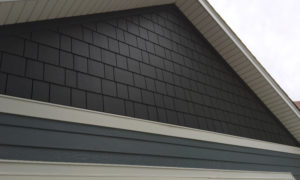
Fiber Cement Siding

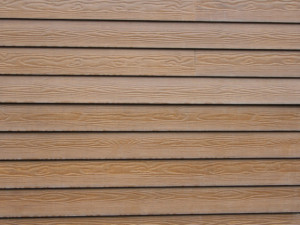
Fiber cement is a strong option for homeowners who want a durable, stable exterior. It often fits well on traditional homes and modern designs. It can also perform well in tough weather when installed correctly.

Fiber Cement Pros

  • Durable and dimensionally stable.
  • Resists many pest issues.
  • Often valued for fire performance compared to some other claddings.

Fiber Cement Cons

  • Heavier material can increase labor costs.
  • Requires correct cut-edge sealing and clearance details.
  • Good flashing and water management are non-negotiable.

Many manufacturers publish performance information and installation requirements. Always follow the specific product instructions for clearances and flashing details.

Engineered Wood Siding

Highmark Engineered Wood Siding Planks

Engineered wood aims to deliver the warm look of wood with modern manufacturing benefits. Many homeowners like its curb appeal and lighter weight.

Engineered Wood Pros

  • Authentic wood-like appearance.
  • Lighter than fiber cement.
  • Often installs efficiently with the right system.

Engineered Wood Cons

  • Edges and cuts must be protected per manufacturer requirements.
  • Water management details still drive long-term success.

Wood-based exteriors perform best when you keep them dry and well-coated. The USDA Forest Service has extensive research on wood durability and decay prevention:
USDA Forest Service: Wood Durability & Protection.

Steel Siding

Edco steel siding

Steel siding can be a great fit when you want clean lines and strong impact resistance. It is also attractive for homeowners who value fire resistance.

Steel Pros

  • Durable finish options, depending on product quality.
  • Can handle many weather conditions well.
  • Modern look with crisp details.

Steel Cons

  • Dents can happen with strong impacts.
  • Scratches should be addressed quickly to protect the finish.
  • Trim, flashing, and fastening details matter a lot.

Natural Wood Siding

Natural Wood Plank siding

Wood siding has a classic look that many homeowners still love. It can also be repaired in sections. That can be helpful over time.

Wood Pros

  • Natural beauty and timeless character.
  • Many styles: lap, shakes, board-and-batten.
  • Often easy to spot-repair when damage is localized.

Wood Cons

  • Requires ongoing painting or staining.
  • Decay risk rises when moisture stays trapped.
  • Needs careful detailing near roofs, decks, and grade.

If you like wood, prioritize drainage and drying. Use smart construction details and keep coatings maintained. Moisture control is not optional for long-term performance:
EPA Moisture Control Guidance (PDF).

Stucco and Brick Veneer

Stucco and brick veneer can look amazing, but details drive outcomes. These options often require skilled installation and strong moisture management behind the exterior finish.

  • Stucco: Great look. Higher risk if water gets trapped.
  • Brick veneer: Classic and long-lasting. Needs proper drainage and weep details.

Unique, Helpful Tips Homeowners Often Miss

1) Installation details matter as much as the material

Even premium siding can fail with poor flashing. Water finds weak spots fast. Pay special attention near windows, doors, roof lines, and deck ledgers.

2) Plan for “hidden” costs

Old siding removal, sheathing repairs, and wood rot fixes can change the scope. A good contractor explains these possibilities early.

3) Consider your maintenance personality

Some homeowners enjoy repainting and upkeep. Others want “wash it and move on.” Your preference should drive the shortlist.

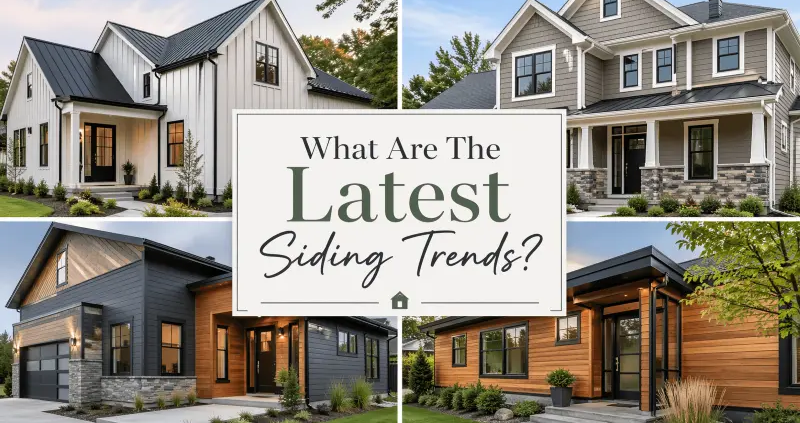
4) Match the siding to the home’s style

Board-and-batten looks great on modern farmhouses. Smooth lap can fit many styles. Shakes can elevate gables and accents.

If you want a professional recommendation, start here:
Explore our siding services
or contact us for an on-site evaluation:
Request a quote.

Customer Review

Jon (5-Star Google Review): Our experience with Brett and his crew was great. We had our house re-sided last summer and are super happy with the results. The crew was friendly and considerate of when they were working as well as cleaning up. Brett was super helpful all the way from the initial quote to final walk around and kept us in the loop on schedule and execution. They were also able to quickly and affordably fix a wood rot issue that was found. We will definitely be calling Brett for our next project.

FAQ: Common Questions About Types of Home Siding

FAQ's

What are the most common siding materials for homes?

Many homeowners choose vinyl, fiber cement, engineered wood, steel, natural wood, stucco, or brick veneer. Your climate and maintenance preferences usually narrow the best options.

Which siding lasts the longest?

Longevity depends on material quality and installation. Moisture control details often matter more than the label on the box.

What is the most low-maintenance type of siding?

Vinyl and many steel systems are considered low maintenance. You still need periodic cleaning and inspections around flashing and joints.

What siding is best for harsh weather and storms?

Impact resistance varies by product and profile. Many homeowners compare steel, fiber cement, and certain premium vinyl options for storm-prone areas.

How do I know if I need new siding or just repairs?

Look for widespread cracking, warping, soft spots, moisture damage, or repeated paint failure. A siding inspection can confirm whether repair or replacement makes more sense.

Ready to Compare Options for Your Home?

If you want help choosing siding that fits your home and budget, we can walk you through the options. We’ll explain pros, cons, and what the installation will involve. Start with our Siding page, browse more on the Home page, or reach out directly through our Contact page.

1st Choice Remodeling logo

Publish Date: March 2026
Authored by: Jacqueline McGreevey