Siding Repair or Replacement After Hail Damage

Siding Repair After Hail Damage helps protect your home from moisture intrusion, insulation loss, and worsening exterior wear. After a hailstorm, even small cracks or dents can lead to larger problems if they are ignored.
- Siding Repair After Hail Damage should begin with a professional inspection of all exposed sides of the home.
- Hail can crack vinyl, chip fiber cement, dent metal, and loosen seams without causing immediate leaks.
- Early repairs help prevent moisture damage, mold growth, and reduced energy efficiency.
- Some homes need only targeted siding repairs, while others benefit more from full replacement.
- Color fading, discontinued products, and widespread impact marks often influence the repair-versus-replace decision.
- Professional documentation also helps homeowners understand the full scope of storm-related exterior damage.
Frequently Asked Questions

How do I know if my siding has hail damage?
Look for cracks, chips, dents, holes, loose panels, or impact marks. Hail damage may also show up as broken seams or exposed material beneath the surface.
Can hail damage siding without causing obvious holes?
Yes. Hail can weaken siding panels, loosen connections, or create small fractures that worsen over time. Damage does not need to be dramatic to become a problem later.
Is repair enough, or do I need full siding replacement?
That depends on the age of the siding, the extent of the damage, and whether matching materials are still available. Small isolated damage may be repaired, but widespread damage often makes replacement the better long-term option.
What types of siding are commonly damaged by hail?
Vinyl siding often cracks or breaks. Fiber cement may chip. Aluminum or steel siding may dent. Wood siding can also split or lose protective finish after impact.
Should I wait if the siding still looks mostly okay?
No. Small damage can allow water behind the siding. That can affect insulation, wall sheathing, and interior spaces over time. Prompt inspections help prevent bigger repairs later.
Why is professional inspection important after a hailstorm?
Professionals can identify subtle storm damage that homeowners may miss. They also evaluate trim, soffits, fascia, flashing, and other exterior elements that may have been affected.
When a storm moves through Ramsey, siding often takes more damage than homeowners first realize. Siding Repair After Hail Damage is important because the exterior shell of the home does more than create curb appeal. It also protects the structure from moisture, wind, temperature shifts, and long-term wear. Once hail compromises that protective layer, small issues can quickly become larger and more expensive ones.
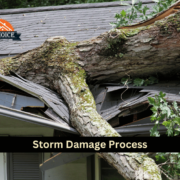
Hail damage does not always leave dramatic holes or missing sections. In many cases, it creates cracks, dents, chips, or stress points that weaken the siding system. As a result, water can begin working its way behind the panels. Over time, that can damage insulation, house wrap, wall sheathing, and even interior finishes. Therefore, quick action matters.
What Hail Damage Can Do to Different Types of Siding
Different siding materials respond to hail in different ways. That is why professional inspection is so important. The signs are not always the same from one home to another.
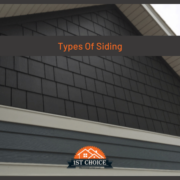
Vinyl siding often develops cracks, punctures, or brittle breaks after hail impact. This is especially common on older siding that has already been exposed to years of sun and temperature swings. Fiber cement siding is more durable, yet hail can still chip the surface or damage edges and corners. Metal siding may resist cracking, but it can show visible dents and impact marks. Wood siding can split, scar, or lose painted protection after repeated storm exposure.
Additionally, damage may show up around trim, corners, soffits, and window lines before it becomes obvious across the main wall sections. Because of that, a careful inspection should cover the full exterior rather than only the areas visible from the street.
Why Small Siding Damage Should Not Be Ignored

It is easy to dismiss minor exterior damage after a storm. However, small cracks and chips can create bigger issues later. Moisture is usually the biggest concern. Once water gets behind damaged siding, it can sit against the home and cause hidden deterioration.
That can lead to several problems, including:
- Water intrusion behind siding panels
- Softening or rot in wall sheathing
- Mold and mildew growth
- Reduced insulation performance
- Higher heating and cooling costs
- More costly future repairs
In addition, damaged siding can make the entire home look worn and poorly maintained. Even if the structural issue remains limited, the visual effect can reduce curb appeal and perceived value.
When Siding Repair Makes Sense
Repair is often the right solution when damage is limited and the rest of the siding remains in good condition. For example, one elevation of the home may take the brunt of a hailstorm while the other sides remain largely unaffected. In that case, replacing only the damaged sections may be practical.
Repair tends to work best when:
- Damage is isolated to a smaller area
- The siding is still structurally sound overall
- Matching color and profile are still available
- The home has no hidden moisture issues beneath the surface
- The storm did not affect multiple elevations heavily
Targeted repairs can restore protection and appearance without requiring a full exterior update. However, matching is often a major factor. Even when the same product line still exists, sun exposure may have faded the original siding. That can make new sections stand out more than expected.
When Replacement Is the Better Choice
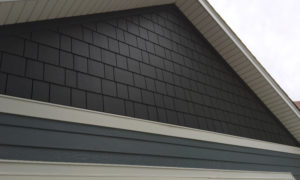
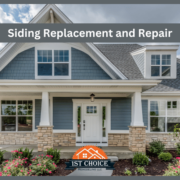
Sometimes replacement offers better value than repair. If hail has damaged several sides of the home, or if the siding is already aging, full replacement may be the smarter investment. It can create a more uniform look, improve weather resistance, and eliminate patchwork results.
Replacement is often the better option when:
- Damage appears across large areas of the home
- The existing siding is older or brittle
- Matching panels are no longer available
- Previous repairs have already created uneven appearance
- Moisture has affected materials behind the siding
Full replacement also gives homeowners a chance to update the home’s style. New siding colors, trim combinations, and material profiles can completely refresh the exterior. Consequently, the storm repair process can become an opportunity for a broader curb appeal upgrade.
How Hail Damage Affects Energy Efficiency
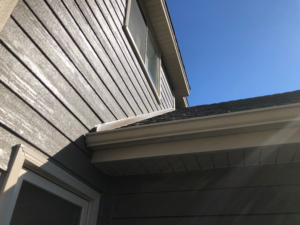
Siding does more than cover the outside of the house. It works with the wall system to help reduce drafts and protect insulation. When panels loosen, crack, or separate, they allow more outdoor air and moisture to interfere with the building envelope.
That means damaged siding can contribute to energy loss. In Minnesota, where homes face both hot summers and freezing winters, maintaining a tight exterior matters. Therefore, prompt repairs or replacement can help preserve comfort inside the home while supporting better efficiency year-round.
Curb Appeal and Long-Term Value
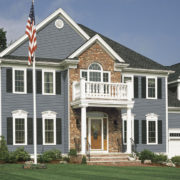
Storm damage affects appearance as well as performance. Cracked or dented siding can make an otherwise beautiful home look neglected. This is especially true when the damage appears on the front elevation, near entryways, or around windows. Because siding covers so much of the home’s visible exterior, even modest damage can make a big visual impact.
New or restored siding improves:
- Overall curb appeal
- Exterior color consistency
- Clean, finished appearance
- Buyer perception and resale value
- Confidence in the home’s condition
For many homeowners, siding work is not only about repairing storm damage. It is also about restoring pride in the appearance of the home.
Cost Considerations for Repair or Replacement
Costs vary based on material type, home size, height, accessibility, and the extent of the damage. Repair usually costs less upfront than replacement. Still, replacement may offer better long-term value when damage is widespread or matching materials are hard to find.
Common factors that affect cost include:
- The number of impacted walls or sections
- The siding material and profile
- The age and condition of the current siding
- The need for trim, soffit, or fascia work
- Whether moisture damage exists underneath
That is why an inspection matters so much. A lower upfront repair cost may not be the best choice if hidden damage remains or if the finished appearance becomes inconsistent. On the other hand, targeted repair can be very effective when the damage is limited and the siding is still in strong condition.
Why Professional Evaluation Matters After a Hailstorm

Storm damage can be easy to underestimate. A professional contractor looks beyond the obvious dents or cracks. They also assess seams, moisture exposure, trim pieces, and the condition of underlying materials. As a result, homeowners get a clearer picture of what needs attention now and what might become a problem later.
Professional documentation also helps organize the project scope. That makes it easier to understand whether repair or replacement provides the best protection, appearance, and value for the home.
If you want to see examples of finished exterior work, visit the 1st Choice Remodeling Portfolio Page. For more remodeling insights and seasonal tips, explore the Blog Page.
For additional homeowner information about storm recovery and exterior protection, the U.S. Department of Housing and Urban Development offers reputable home improvement guidance.
Take the Next Step After Hail Damage
When hail damages your siding, waiting can lead to more expensive problems. Cracks, chips, and loose sections can allow moisture in and reduce the protection your home depends on every day. A timely inspection helps you understand the condition of your siding and choose the right next step.
If your home may need professional exterior repairs after a storm, now is the time to act. Contact 1st Choice Remodeling to schedule an evaluation and learn whether siding repair or full replacement is the best fit for your home.

Published April 2026