Tag Archive for: Signs You Need a New Roof

Is it time for a roof replacement?

Roof Replacement Plymouth homeowners consider before winter can prevent leaks, moisture damage, and worsening roof problems. Early fall replacement also gives homeowners time to address damaged shingles, flashing, ventilation, and other vulnerable areas before snow arrives. If your roof already shows significant wear, replacing it before winter may provide better protection than postponing the project until spring.

Frequently Asked Questions About Roof Replacement in Plymouth

FAQ's

Should I replace my roof before winter in Plymouth, MN?

You should consider replacement if the roof already has widespread damage, leaks, missing shingles, or advanced aging. Completing the project before winter can prevent existing problems from becoming more serious beneath snow and ice.

How late in the year can a roof be replaced in Minnesota?

Roofing can continue into cooler weather when temperatures and product requirements allow safe, proper installation. Scheduling earlier in fall usually provides more flexibility and more favorable working conditions.

Can an older roof make ice dam problems worse?

An aging roof does not directly cause every ice dam. However, damaged roofing can increase the consequences when backed-up water reaches vulnerable areas. Attic air sealing, insulation, and ventilation also deserve attention.

What roof problems should Plymouth homeowners check before winter?

Look for missing shingles, curling edges, granule loss, damaged flashing, exposed roof decking, leaks, and deteriorated sealants. Interior ceiling stains can also indicate moisture intrusion.

Should I replace my roof if it has not started leaking?

Possibly. A roof can deteriorate before water becomes visible inside your home. A professional evaluation can identify problems before they create interior damage.

Does replacing a roof before winter help prevent ice dams?

A new roofing system can improve weather protection, but ice dams involve more than shingles. Air leakage, insulation, roof temperatures, and attic conditions can also contribute.

Why Roof Replacement in Plymouth Deserves Attention Before Winter

September can be an ideal time to evaluate your roof before another Minnesota winter arrives.

Plymouth homes face snow, freezing temperatures, wind, ice, and repeated freeze-thaw cycles. These conditions place additional stress on weakened roofing materials.

A small roofing concern in September may become much harder to manage during January.

For example, lifted shingles can allow wind-driven moisture underneath the roofing system. Damaged flashing can create another path for water.

Minor leaks can also become more damaging when snow remains on the roof for extended periods.

Therefore, homeowners should evaluate roof condition before assuming replacement can wait until spring.

When Should Roof Replacement Plymouth Homeowners Consider Before Winter?

Roof age matters, but it should never become the only deciding factor.

Actual roof condition provides much more useful information.

Homeowners should pay particular attention to several warning signs:

  • Missing, cracked, curled, or lifted shingles
  • Noticeable shingle granule loss
  • Leaks or water stains inside the home
  • Damaged flashing around chimneys or roof penetrations
  • Soft or deteriorated roof decking
  • Repeated roof repairs in several different areas
  • Visible deterioration along valleys and roof edges
  • Previous wind or hail damage

One isolated problem may only require repair. Widespread deterioration often makes replacement a better long-term investment.

A professional roof evaluation can help separate cosmetic wear from problems affecting the entire roofing system.

Learn more about available materials and installation options on the 1st Choice Remodeling roofing page.

Repair Now or Replace the Roof?

Homeowners sometimes delay replacement because the roof is not actively leaking.

However, visible leaks usually appear after moisture has already found a path through the roofing system.

The better question involves the overall condition of the roof.

Roof Condition Repair May Make Sense Replacement May Make Sense
Damage area One small localized section Problems appear across several roof slopes
Shingle condition Most shingles remain secure Widespread curling, cracking, or granule loss appears
Leaks One identifiable flashing problem Leaks appear in multiple locations
Roof age Roof remains relatively young Roof is approaching expected service life
Repair history Few previous repairs Repeated repairs continue adding costs
Winter readiness Roof remains structurally sound Existing weaknesses could worsen under winter conditions

The lowest-cost option today is not always the lowest-cost choice over several years.

Several repairs on an aging roof can eventually cost more without solving the underlying deterioration.

Why Plymouth’s Winter Climate Changes the Decision

Minnesota homeowners need to consider conditions that homeowners in warmer climates rarely face.

Snow can remain on a roof for long periods. Temperatures may also move above and below freezing repeatedly.

Those freeze-thaw cycles can expose weaknesses around shingles, valleys, flashing, and roof penetrations.

Ice dams create another concern for Minnesota homes.

The University of Minnesota Extension explains that ice dams form when roof temperatures vary across the roof surface.

Melting snow can then refreeze near colder roof edges and prevent drainage.

Water can eventually back up beneath roofing materials and enter the home.

Homeowners can review the University of Minnesota Extension’s guidance on preventing and managing ice dams.

A New Roof Is Only Part of Winter Roof Protection

Roofing R factor in Winter

One important point often gets overlooked during roof replacement discussions.

Shingles represent only one part of the complete roofing system.

A quality roof evaluation should also consider:

  • Roof decking condition
  • Underlayment
  • Flashing
  • Roof penetrations
  • Valleys
  • Eaves and roof edges
  • Attic ventilation
  • Signs of excessive attic moisture

These details become particularly important before a Minnesota winter.

For example, replacing shingles alone will not correct significant attic heat loss.

Likewise, inadequate insulation or air sealing can contribute to uneven roof temperatures.

This whole-system approach can help homeowners identify problems that could otherwise continue after roof replacement.

Why Early Fall Can Be a Smart Time for Roof Replacement

Homeowners often wait until a roof leaks before calling a contractor.

Planning earlier offers several advantages.

More Time to Evaluate Your Options

An early decision gives you time to compare roofing materials, colors, warranties, and project details.

You can make those decisions without an active leak creating unnecessary pressure.

Better Opportunity to Address Hidden Damage

Removing an older roof may reveal damaged decking or other conditions beneath the shingles.

Discovering those problems before winter allows them to be addressed before snow covers the roof.

Less Risk of Entering Winter With Existing Problems

Winter does not improve a failing roof.

Existing vulnerabilities can become more concerning when snow, ice, wind, and moisture arrive.

Completing necessary work first can provide greater confidence throughout the colder months.

Do Not Assume Every Older Roof Needs Immediate Replacement

Exterior Remodeling - Home roofing

Homeowners should also avoid replacing a functional roof simply because winter is approaching.

An honest inspection may determine that a repair can safely extend its useful life.

The condition of the shingles, flashing, decking, and previous repairs should guide that decision.

Your future remodeling plans also matter.

If you expect other exterior projects soon, coordinated planning may reduce duplicated work around rooflines and exterior components.

The 1st Choice Remodeling blog offers additional guidance about roofing and exterior remodeling decisions.

Consider Roof Features That Can Create Winter Trouble Spots

Some homes have more complicated roof designs than others.

Complex valleys, dormers, skylights, chimneys, and roof intersections create additional areas requiring careful flashing.

Trees can also affect roof conditions.

Overhanging branches may drop debris into valleys and gutters. Leaves can restrict drainage before winter precipitation arrives.

Homeowners should also inspect gutters and downspouts before freezing weather.

Proper drainage helps move water away from vulnerable roof edges and the foundation.

What Should Homeowners Ask a Roofing Contractor?

Price matters, but it should not be the only question.

Ask what the complete roofing installation includes.

Useful questions include:

  • Will the existing roof be completely removed?
  • How will damaged decking be handled?
  • What underlayment will be installed?
  • How will valleys and roof penetrations be protected?
  • Will attic ventilation be evaluated?
  • What manufacturer warranties apply?
  • What workmanship warranty is included?
  • How will landscaping and property be protected?
  • How will cleanup and nail removal be handled?

Detailed answers help homeowners compare complete roofing systems instead of comparing estimates by price alone.

What Plymouth Homeowners Can Expect From 1st Choice Remodeling

1st Choice Remodeling provides roofing replacement and repair throughout Plymouth and the Twin Cities metro.

The company installs roofing products from Owens Corning and CertainTeed.

Its roofing crews focus on efficient installation, property protection, and dependable workmanship.

Homeowners can also review roofing options and manufacturer information on the roofing services page.

What Homeowners Are Saying

“We’ve used 1st Choice Remodeling for new gutters in the past and we just had our roof replaced June 2026. We are very happy with the outcome. Competitive bid, quick scheduling and high quality work. Highly recommend!”

— Jaime, 5-Star Google Review

Experiences like Jaime’s highlight several factors homeowners value during a roofing project.

Competitive pricing matters, but scheduling, workmanship, and the finished result matter just as much.

Should You Replace Your Plymouth Roof Before Winter?

Roofing with wear and tear

If your roof already shows meaningful deterioration, early fall is a good time to address it.

Do not wait for snow or an active leak to make the decision for you.

A professional evaluation can determine whether your roof needs repair or complete replacement.

That information allows you to enter winter with a clearer understanding of your home’s protection.

If your roof remains sound, you may simply need maintenance and continued monitoring.

If significant deterioration exists, replacement before winter may prevent more expensive problems later.

Schedule a Plymouth Roof Evaluation

Concerned about how your roof will handle another Minnesota winter?

1st Choice Remodeling can inspect your roof and help you understand the available options.

Whether you need repairs or complete replacement, the goal should be a durable solution that fits your home.

Contact 1st Choice Remodeling today to request your free estimate and prepare your Plymouth home before winter arrives.

1st Choice Remodeling logo

Published September 2026


Hail Damage Roof inspection

Hail Damage Roof Inspection helps homeowners identify hidden storm damage before leaks, moisture problems, and structural issues become more expensive. Fast inspections after severe weather can protect both your home and your long-term investment.

  • Hail Damage Roof Inspection should happen soon after major storms or hail events.
  • Roof damage is not always visible from the ground.
  • Hail can weaken shingles even when leaks are not immediately present.
  • Professional inspections help identify hidden storm-related damage.
  • Early repairs can prevent water intrusion and interior damage.
  • Modern roofing materials may improve future storm resistance.

After a severe storm, scheduling a Hail Damage Roof Inspection is one of the smartest steps a homeowner can take. Hail damage often looks minor at first. However, small impact marks can weaken roofing materials and shorten the lifespan of the entire system. Therefore, professional inspections are important even when the roof appears mostly intact from the ground.

In Minnesota, hailstorms can arrive suddenly and create widespread exterior damage. Roofing systems often take the largest impact. Consequently, quick evaluations help homeowners identify problems before moisture and structural issues develop.

Frequently Asked Questions About Hail Damage Roof Inspection

FAQ's

How do I know if my roof has hail damage?

Common signs include bruised shingles, missing granules, cracked shingles, dented flashing, and damaged gutters. However, some damage is difficult to spot without a professional inspection.

Can hail damage cause leaks right away?

Not always. Some roofs continue functioning temporarily even after shingles have been weakened by hail impact.

How soon should I schedule a roof inspection after hail?

It is best to schedule an inspection as soon as possible after a hailstorm. Early inspections help prevent moisture intrusion and larger repair costs.

Does every hailstorm require roof replacement?

No. Some roofs only need targeted repairs. The extent of the damage, roof age, and material condition determine the best solution.

What areas besides shingles can hail damage affect?

Hail can also damage flashing, vents, gutters, skylights, siding, and window trim.

Why is professional inspection important after hail?

Professionals can identify hidden impact damage that homeowners may miss. They also evaluate the full roofing system for long-term performance concerns.

Why Hail Damage Is Often Hard to Detect

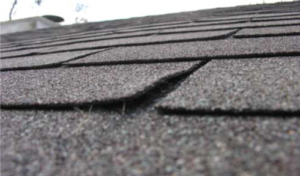
Many homeowners expect hail damage to look dramatic. However, some of the most serious problems begin with small impact marks that are easy to overlook. Hail may bruise shingles, loosen granules, or weaken seal strips without creating immediate leaks.

Over time, those damaged areas deteriorate faster under sunlight, rain, and changing temperatures. Consequently, the roof becomes more vulnerable to future storms and moisture intrusion.

Additionally, damage patterns often vary across different roof slopes. One side of the roof may receive far more impact than another depending on wind direction during the storm.

Common Signs of Hail Damage

Professional inspectors look for more than missing shingles. They evaluate the entire roofing system for signs of impact and wear.

Common indicators include:

  • Dark bruised spots on asphalt shingles
  • Granule loss exposing the asphalt layer beneath
  • Cracked or split shingles
  • Dented flashing, roof vents, and gutters
  • Soft spots caused by impact compression
  • Loose seal strips between shingles

Additionally, inspectors check nearby exterior features. Damage to gutters, siding, or window trim often helps confirm storm direction and hail intensity.

Hail Damage Roof Inspection Helps Prevent Larger Repairs

One major benefit of Hail Damage Roof Inspection is early detection. Small roof issues rarely improve on their own. Instead, they typically worsen with additional weather exposure.

Moisture entering through damaged shingles can affect:

  • Roof decking
  • Attic insulation
  • Ventilation systems
  • Interior ceilings and walls
  • Structural framing components

Therefore, inspections and timely repairs help prevent larger restoration costs later.

Why Roof Age Matters After Hailstorms
Roof inspections for repair or replacements

The age of your roof plays a major role in how it responds to hail. Older shingles are often more brittle and less flexible. As a result, they may crack or lose granules more easily during storms.

Newer roofing systems generally perform better. However, even newer roofs can suffer hidden impact damage after severe hail events. Because of that, inspections remain important regardless of roof age.

Modern Roofing Materials Offer Better Protection

One advantage of storm restoration projects is the opportunity to upgrade roofing materials. Many modern shingles offer improved impact resistance compared to older products.

Some roofing systems are specifically designed to:

  • Resist hail impact more effectively
  • Reduce granule loss
  • Improve wind resistance
  • Enhance long-term durability
  • Increase overall energy efficiency

Because of that, replacement projects can improve both storm protection and home value.

Professional Roof Inspections Provide Valuable Insight
Replacing a residential roof

Experienced roofing professionals understand how hail affects different roofing materials. They also know where hidden damage commonly develops. Consequently, professional evaluations provide homeowners with a clearer understanding of the roof’s true condition.

Inspectors evaluate shingles, flashing, vents, gutters, valleys, and other vulnerable areas. They also look for subtle warning signs that homeowners may not notice from the ground.

If your roof may have storm-related damage, visit the
Roofing Page for additional information about repair and replacement solutions.

Helpful Steps Homeowners Can Take After a Hailstorm

After severe weather, homeowners can take several smart steps before scheduling repairs.

  • Inspect the property safely from the ground
  • Look for debris or shingle fragments in the yard
  • Check gutters and downspouts for dents
  • Inspect ceilings and attic spaces for water stains
  • Take photos of visible damage
  • Schedule a professional roof inspection promptly

These steps can help document damage and identify potential concerns early.

Why Fast Action Protects Your Home

Storm damage often worsens with time. Wind, rain, heat, and freeze-thaw cycles place additional stress on weakened roofing materials. Therefore, delaying inspections or repairs can increase long-term costs.

Prompt action helps preserve:

  • Roof lifespan
  • Interior protection
  • Energy efficiency
  • Curb appeal
  • Property value

For additional homeowner guidance about severe weather safety and storm recovery, visit the

National Weather Service hail safety resource
.

Schedule Your Roof Inspection Today

Hail damage can create hidden problems long before leaks become obvious. A professional inspection helps identify issues early and protects your home from larger repairs later.

If your property recently experienced hail or severe weather, now is the time to act. Contact
1st Choice Remodeling today to schedule a professional roof inspection and discuss repair or replacement options.

For more remodeling tips and seasonal home improvement insights, visit the
1st Choice Remodeling Blog Page.

1st Choice Remodeling logo

Authored by 1st Choice Remodeling | Published June 2026