Guidance on roof replacement for Twin Cities homeowners, including planning, shingle options, timelines, warranties, and what to expect from a professional installation.

Tag Archive for: Roof Replacement

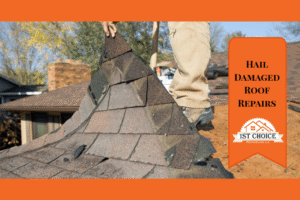
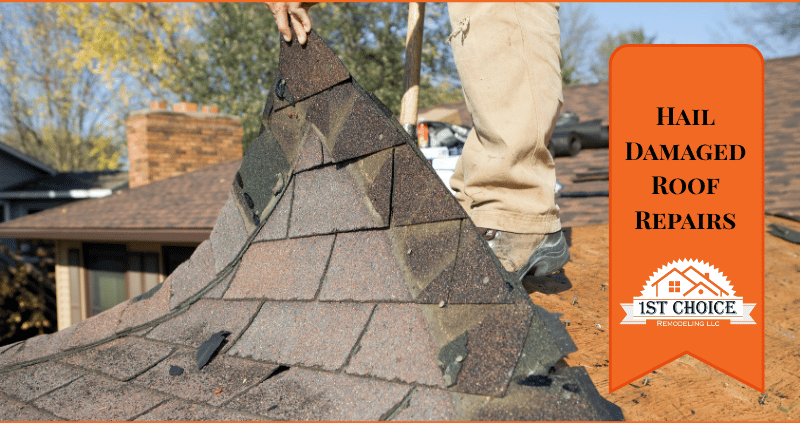
Hail Damaged Roof Repair

Hail Damage Roof Repair helps protect your home from leaks, hidden deck damage, and faster shingle failure.

  • Hail Damage Roof Repair should start with a professional inspection, even when damage looks minor from the ground.
  • Hail can bruise shingles, loosen granules, and damage flashing without causing immediate leaks.
  • Timely repairs can prevent moisture intrusion, mold growth, insulation damage, and interior staining.
  • In some cases, targeted roof repair works well. In others, full replacement makes more financial sense.
  • Metal vents, gutters, flashing, and downspouts often show hail impact before the full roof damage becomes obvious.
  • Professional documentation can also support insurance conversations and help clarify the true scope of work.

After a storm, Hail Damage Roof Repair becomes one of the most important steps a homeowner can take. Hail does not need to punch a hole through the roof to create a serious problem. Instead, it often weakens shingles in subtle ways. As a result, the roof may continue to shed water for a while, even though the protective surface has already been compromised. Over time, that hidden damage can lead to leaks, premature aging, and more extensive repairs.

At 1st Choice Remodeling in Ramsey, MN, homeowners often need a clear answer after severe weather. Should the roof be repaired, or should it be replaced? The right solution depends on the age of the roof, the extent of the hail impact, the material type, and whether the damage is isolated or widespread. Therefore, a thorough inspection is always the best place to start.

Why Hail Damage Can Be More Serious Than It Looks

Roofing

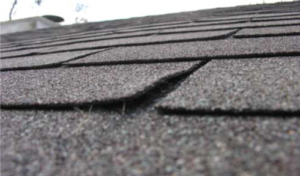
Many homeowners expect hail damage to be dramatic and easy to spot. However, that is not always the case. In fact, some of the most costly roof problems begin with damage that looks minor at first glance. Hail can strike with enough force to fracture the asphalt mat inside a shingle while leaving only a small surface mark. Later, sun, rain, wind, and freeze-thaw cycles make that weakened area fail faster.

This is one reason post-storm inspections matter so much. A roof may appear fine from the yard while the shingles have already lost part of their long-term performance. Consequently, waiting too long can increase the chance of leaks, rot, and interior damage.

Unique Signs That Point to Hail Damage Roof Repair

Not all storm damage looks the same. Hail creates a different pattern than age-related wear or wind damage. That difference matters because it helps contractors determine the proper repair plan.

Some of the most common signs include:

  • Dark or soft spots where granules have been knocked away
  • Random impact marks across multiple roof slopes
  • Dents in flashing, roof vents, gutters, and downspouts
  • Cracked or split shingles after impact
  • Exposed fiberglass matting on asphalt shingles
  • Loose granules collecting heavily in gutters

One unique clue involves the softer metal components around the roof. For example, hail often dents vents, chimney caps, valley metal, and gutter aprons. These marks can help confirm storm direction and impact intensity. In many cases, metal dents appear before homeowners notice damage on the shingles themselves.

Another overlooked issue is granular loss. Granules protect shingles from ultraviolet exposure. Once hail knocks those granules away, the asphalt surface degrades faster. Because of that, a roof may look only cosmetically damaged at first, yet its service life may already be shortened.

When Roof Repair Makes Sense

Roof repair is often the right choice when hail damage is limited to one section or a small number of shingles. It also works well when the roof is relatively new and matching materials are still available. In those situations, a skilled repair can restore protection without the cost of replacing the whole system.

Repair may be a practical option when:

  • Damage is isolated to one roof plane or one area
  • The roof is still in otherwise good condition
  • Flashing or vents need replacement more than the shingles do
  • Replacement shingles can closely match the existing roof
  • There is no widespread moisture intrusion beneath the surface

Additionally, timely repair can stop a small problem from turning into a major one. Replacing damaged flashing, sealing vulnerable penetrations, and repairing impacted shingles can preserve the rest of the roof system.

When Roof Replacement Is the Better Investment

Sometimes repair is no longer the most cost-effective approach. If hail has affected large sections of the roof, full replacement may provide better value and better protection. This is especially true when the existing roof is already older or has prior wear.

Replacement often makes more sense when:

  • Damage appears across multiple slopes
  • The roof has reached the later part of its life span
  • Shingle matching is poor or impossible
  • Leaks or underlayment damage have already begun
  • Previous repairs have created a patchwork appearance

Moreover, replacement gives homeowners the chance to upgrade roofing materials, improve ventilation, and restore a uniform look across the home. That can improve curb appeal while reducing the risk of recurring problems.

The Benefits of Acting Quickly After a Hailstorm

Damaged Roofing

Speed matters after a storm. Even if there is no visible leak, damaged shingles can become more vulnerable with each passing week. Rain, wind, and summer heat can widen cracks and strip away more granules. Then, once water gets beneath the surface, repair costs can rise quickly.

Prompt action offers several benefits:

  • Helps prevent interior water damage
  • Reduces the chance of mold and wood rot
  • Preserves insulation and attic performance
  • Provides clearer storm documentation
  • Allows better planning for repair or replacement work

In addition, early inspections can reveal related exterior issues. Siding, window trim, gutters, and fascia may also take a hit during hail events. That broader view helps homeowners understand the full condition of the home after the storm.

Cost Factors for Repair or Replacement

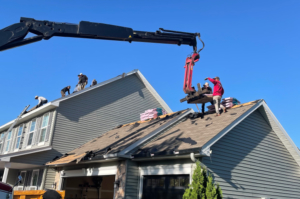
Replacing a residential roof

The cost of hail-related roofing work depends on several details. Roof size, pitch, material type, accessibility, and the extent of damage all affect the final price. For example, a limited repair on a newer asphalt roof may cost far less than replacing an older roof with widespread impact damage.

Other factors that influence cost include:

  • The number of damaged shingles or affected areas
  • Whether flashing, vents, or decking need work
  • The availability of matching materials
  • Labor needs based on roof complexity and height
  • Whether storm damage extended to gutters or trim

Although repair may cost less upfront, replacement can sometimes save money over time. That is especially true when repeated repairs no longer offer dependable performance. A professional inspection helps determine which option creates the best long-term value.

How Professional Inspections Add Real Value

A qualified roofing inspection does more than identify visible dents or broken shingles. It also evaluates the roof as a system. That includes the shingles, underlayment, flashing, penetrations, drainage features, and signs of moisture intrusion. Because of that, professional inspections provide more accurate recommendations than a quick visual check from the ground.

Experienced contractors also understand how hail affects different materials. Asphalt, metal, composite, and architectural shingles do not all respond the same way to storm impact. Therefore, the repair strategy should match both the roof type and the real pattern of damage.

For homeowners in Ramsey, that expertise can make the next step much clearer. Instead of guessing, you can move forward with a repair plan based on actual roof conditions.

Protect Your Home with the Right Next Step

Hail damage should never be ignored. Even minor-looking impacts can shorten roof life and create opportunities for water intrusion. Therefore, it makes sense to address the issue before the next storm puts even more stress on the roof.

If you want to review recent exterior work and remodeling results, visit the 1st Choice Remodeling Portfolio Page. If you would like more home improvement insights, explore the 1st Choice Remodeling Blog Page. For roofing-related service information, visit the Roofing Page.

For additional homeowner guidance on storm recovery and hail awareness, the National Weather Service hail safety resource offers reputable information about hail events and their risks.

When your roof has taken a hit, the best move is an informed one. A professional inspection can determine whether repair will restore the roof or whether replacement is the smarter investment. Either way, taking action now helps protect your home, your budget, and your peace of mind.

1st Choice Remodeling logo

Published April 2026

Home Exterior Remodeling Deck, Siding Windows and Roof

Summary: A smart Planning Home Exterior Remodel approach helps you control costs, avoid delays, and protect your home’s envelope.
This guide explains what to plan, when to start, and how to sequence roofing, siding, windows, and decks for spring.

Spring is a popular season for exterior work in Minnesota.
Your schedule fills fast.
Planning early keeps your project calm and predictable.

When you focus on Planning Home Exterior Remodel details first, you reduce surprises later.
You also make better material and design choices.
That matters for curb appeal and durability.

Want to explore options now?
Review services here:
Exterior Remodeling Services.
When you are ready, reach out here:
Contact 1st Choice Remodeling.

Why spring planning matters in Minnesota

  • Weather windows are tight after winter.
  • Material lead times can shift fast.
  • Permit needs vary by city and scope.
  • Exterior systems should work together as one envelope.

In places like Coon Rapids, freeze-thaw cycles stress siding, trim, and flashing.
Wind events test roofs and soffits.
Planning helps you address weak points first.

Benefits of planning a home exterior remodel

Replacing a residential roof

1) Better budget control

Planning turns “ideas” into line items.
You can separate needs from wants.
You can also set a realistic contingency.

2) Smarter project sequencing

Exterior projects overlap.
Roofing affects ventilation and flashing.
Siding affects water management and trim.
Windows affect air sealing and interior comfort.

3) Fewer change orders

Most cost overruns start with late decisions.
Planning locks your scope before install day.
That reduces rework and delays.

4) Stronger curb appeal decisions

Color, texture, and profile should align.
You get a cleaner look when selections match.
Planning gives you time to compare samples.

5) Cleaner communication

Clear expectations reduce stress.
You know who to contact and when.
You also know what “done” looks like.

For homeowner planning tips, see this consumer guide from NAHB:

10 Tips for a Smooth Home Remodel
.

A practical spring planning checklist

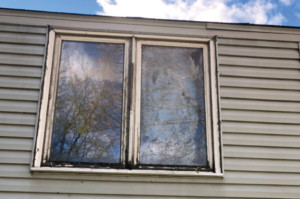
Window Portfolio windows- before update

Step 1: Inspect your exterior like a pro

  • Look for missing shingles, soft spots, and flashing gaps.
  • Check siding for swelling, cracks, and loose panels.
  • Test windows for drafts, fogging, and sticking sashes.
  • Scan caulk lines at penetrations and trim transitions.

Step 2: Define your “must fix” list

Start with water control and air sealing.
Those protect structure and insulation.
Cosmetic upgrades come after performance needs.

Step 3: Choose materials with Minnesota durability in mind

Ask about impact resistance, warranty coverage, and maintenance needs.
Compare how products handle moisture and sun exposure.
Confirm recommended installation details for your wall system.

Step 4: Decide what to bundle

Bundling can reduce labor duplication.
It can also reduce disruption.
Common bundles include windows plus siding.
Another bundle is roofing plus ventilation improvements.

Step 5: Lock scope, timeline, and site plan

  • Confirm start date ranges and daily work hours.
  • Plan dumpster placement and driveway access.
  • Protect landscaping and outdoor furniture.
  • Identify power needs and bathroom access.

Step 6: Confirm permits and inspections

Permits depend on project type and city requirements.
Ask early, not mid-project.
Your contractor should guide this process.

Step 7: Build a communication routine

Agree on update frequency.
Decide how change requests get approved.
Put selections and specs in writing.

5-star homeowner Google review

Patrick J. (★★★★★)

We had 1st Choice replace our windows with Andersen windows and our siding with LP Smartside.
His team did excellent work and were great folks to work with.
We love our new windows and the siding looks fantastic.
The communication with Brett & the site teams was excellent, and we definitely recommend.

FAQ: Planning your spring exterior remodel

FAQ's

When should I start planning a spring exterior remodel?

Start planning in late winter.
That gives you time for inspections and selections.
It also improves your chance of getting your preferred start date.

How long do materials usually take to arrive?

Lead times vary by product and color.
Specialty items can take longer.
Your contractor should confirm timing before you sign.

Should I replace windows before siding?

Often, yes.
Window installation affects trim and water management.
New siding can then tie into new flashing details.

Should I do roofing and siding together?

Sometimes.
It helps when flashing, fascia, or ventilation needs upgrades.
Bundling can also reduce mobilization costs.

How do I set a realistic budget?

List your goals and priority repairs first.
Ask for a written scope with allowances defined.
Add a contingency for hidden damage behind siding.

Do I need permits in Coon Rapids for exterior work?

It depends on the project and local rules.
Roofing, windows, and structural deck work often trigger permits.
Ask your contractor to confirm requirements before scheduling.

What questions should I ask a contractor during planning?

Ask about licensing and insurance.
Ask about workmanship warranties.
Ask who manages the site daily.
Ask how change orders are priced and approved.

How can I reduce disruption during the project?

Move vehicles and clear work zones daily.
Protect valuables near windows.
Plan for noise and brief access limits.
Keep pets secured during active work hours.

What should I do to protect landscaping?

Mark sprinkler heads and delicate plants.
Move planters away from walls.
Identify where materials can be staged safely.
Ask about plywood paths for heavy traffic areas.

How do I choose colors that will still look good in five years?

Start with roof and fixed stone tones.
Choose siding colors that match your neighborhood style.
Use accent colors on doors and shutters for flexibility later.

Next step: Plan now for spring. Visit our services page to compare options.

Then contact 1st Choice Remodeling to schedule an exterior remodeling consultation.

1st Choice Remodeling logoPublished February 2026


Exterior Home remodel - 0% Deferred Interest Financing available

Financing for Exterior Home Remodels: Upgrade Now, Pay Over Time

Looking for 0% deferred financing exterior remodeling options? 1st Choice Remodeling offers flexible financing that can help you move forward with critical exterior upgrades—without putting your project on hold. In this guide, you’ll learn how 0% deferred interest can work, which projects it fits best, and how to apply quickly.

Why Homeowners Choose Financing for Exterior Remodeling

Exterior remodeling is not just about curb appeal. In Minnesota, your roof, siding, and windows protect your home against wind, snow load, ice, and extreme temperature swings. When repair becomes replacement—or when you want to invest in long-term efficiency—financing gives you the ability to act at the right time, not “someday.”

  • Stop small issues from becoming bigger repairs: Water intrusion and hidden rot can worsen quickly.
  • Improve energy efficiency: New windows and properly installed siding can reduce drafts and improve indoor comfort.
  • Spread out costs: Keep savings available for other priorities while completing a high-impact upgrade.
  • Stay on schedule: Avoid delaying a project because of timing or cash flow concerns.

What “0% Deferred Interest” Means (In Plain English)

With 0% deferred interest, you may have the opportunity to finance eligible exterior projects with no interest for a promotional period—as long as the terms are met. At 1st Choice Remodeling, the financing program includes 0% deferred interest for up to 24 months on qualifying projects.

Important note: “Deferred interest” is different from “no-interest installment.” The promotion can be an excellent option, but the key is understanding the promotional period and payment requirements. Your 1st Choice Remodeling representative can walk you through the details so you can choose the best plan for your situation.

Projects That Pair Well With Financing

Financing is especially helpful for projects where timing matters or where upgrades deliver lasting value. Homeowners commonly finance:

  • Roof replacement and storm restoration to protect the home envelope
  • Siding installation to improve durability, curb appeal, and maintenance needs
  • Window and entry door replacement to improve comfort and efficiency
  • Deck builds to expand outdoor living and enhance property value

When these upgrades are combined into one exterior plan, financing can also help you complete the work in a single coordinated timeline.

Financing Benefits Available Through 1st Choice Remodeling

1st Choice Remodeling offers financing structured to support real-world exterior remodeling budgets. Benefits include:

  • 0% deferred interest for up to 24 months (on qualifying plans)
  • High loan limits—up to $50,000 for larger exterior projects
  • Competitive rates and long-term loans for flexible payment options
  • Quick approvals so your project can move forward without delays

To review current financing options, visit our financing page: https://www.1stchoicmn.com/financing/

How the Process Works: From Estimate to Approval

  1. Schedule a free in-home estimate and discuss your project goals.
  2. Review your scope and budget with a clear plan for materials, timeline, and installation.
  3. Explore financing options with your representative and select a plan that fits your needs.
  4. Receive an approval decision quickly so your project can be scheduled.
  5. Start your remodel with a certified installation process and quality materials.

Ready to begin? Contact us here: https://www.1stchoicmn.com/contact-us/

Financing Is a Strategy, Not Just a Payment Method

0% Deferred Interest Financing


When used thoughtfully, financing helps you protect your home, plan upgrades around the season, and choose materials that deliver long-term performance. If you’re deciding between “repair now” and “replace right,” financing can help you choose the solution that reduces future headaches.

Call 1st Choice Remodeling at 763.515.6095 or request an estimate online to review your options.

FAQs: 0% Deferred Financing for Exterior Remodeling

How long is the 0% deferred interest period?
Eligible financing can include 0% deferred interest for up to 24 months, depending on the program and qualifications.
What projects can be financed?
Commonly financed exterior projects include roofing, siding, windows and doors, and decks.
How much can I finance?
Financing may be available up to $50,000, depending on approval and program terms.
Is the approval process slow?
No. The process is designed to be straightforward with quick decisions so projects can start without unnecessary delays.
Where do I apply or get started?
Start by requesting a free estimate and asking about current financing options: https://www.1stchoicmn.com/contact-us/

1st Choice Remodeling
6451 McKinley St., Suite R, Ramsey, MN 55303
Phone: 763.515.6095 | Email: info@1stchoiceremodeling.net

1st Choice Remodeling logo

Published January 2026

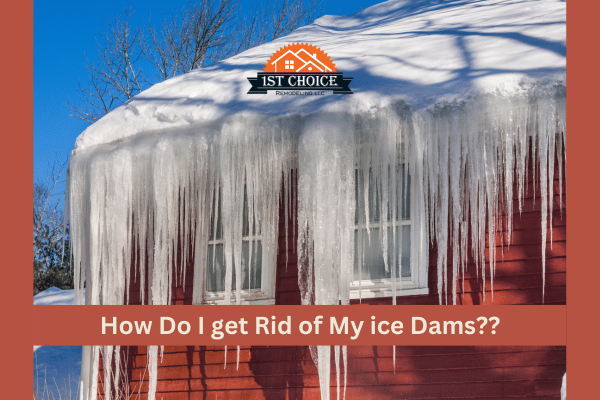
How Do I get Rid of My ice Dams

If you’ve ever noticed icicles hanging from your roof or seen patches of ice accumulating along the edges of your roofline, you might have an ice dam problem. Ice dams can cause significant damage to your home, including leaks, water damage, and roof deterioration. But what exactly causes ice dams, and why do they form in the first place?

What Is an Ice Dam?

An ice dam is a build-up of ice that forms along the edges of your roof, typically near the eaves (the part of the roof that overhangs the walls). It happens when snow on your roof melts, flows down toward the colder eaves, and refreezes, creating a dam of ice. As more snow melts, the water gets trapped behind the dam and can leak into your home, causing serious water damage.

The Main Causes of Ice Dams

  1. Poor Insulation in the Attic The primary cause of ice dams is heat loss from your attic. Warm air from your living space rises into the attic and warms the roof, causing the snow to melt. The melted water flows down the roof but refreezes once it hits the cold eaves, where there’s no warmth from the home below. Without adequate attic insulation, heat escapes and melts snow, triggering the ice dam formation.
  2. Inadequate Ventilation Proper ventilation in the attic is key to preventing ice dams. Without proper airflow, the warm air trapped in the attic can further contribute to snow melting unevenly. Attic vents help ensure that cold air stays on the roof, preventing the snow from melting prematurely and allowing the roof temperature to stay consistent.
  3. Roof Design and Snow Accumulation Some roof designs are more prone to ice dams than others. For instance, roofs with low slopes, valleys, or areas where snow can accumulate easily are more likely to experience ice dam problems. When snow builds up in these areas and warms up from below, it can quickly melt and cause a backup of water behind the ice dam.

No Ice Dam

How to Prevent Ice Dams

To avoid ice dams and the damage they can cause, consider these solutions:

  • Improve attic insulation: Make sure your attic is properly insulated to prevent warm air from escaping into the roof.
  • Ensure proper ventilation: Install roof and soffit vents to create airflow that will help keep the roof cold and prevent snow from melting prematurely.
  • Keep gutters and downspouts clear: Make sure your gutters are free of debris so water can flow freely and won’t back up, contributing to ice dam formation.
  • Install heat cables: In areas with heavy snowfall, heating cables along the roofline can help melt snow and prevent ice dams from forming.

By addressing these issues, you can reduce the likelihood of ice dams and protect your home from the costly damage they can cause.

Contact 1st Choice Remodeling for more information or to schedule a free estimate.

1st Choice Remodeling logo

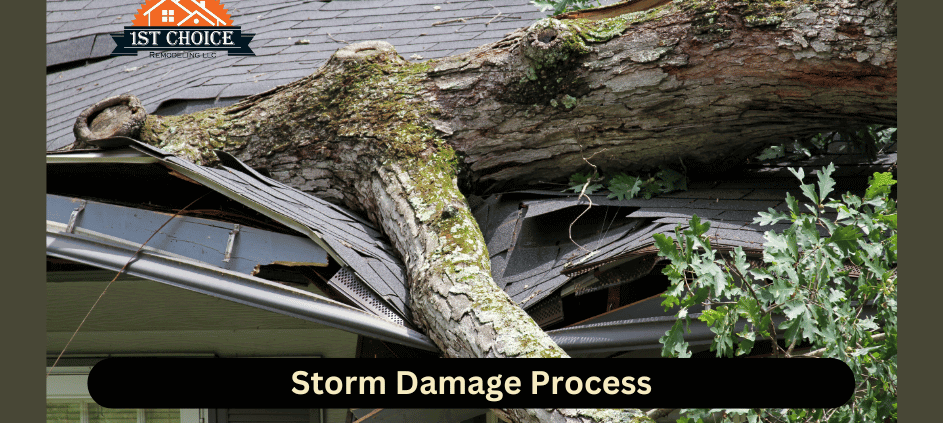
Storm Damage Process

Storm Damage Process: What to Expect

The storm damage process can be overwhelming, but 1st Choice Remodeling makes it simple. Our experienced team helps homeowners restore their properties after hail or wind storms. We work directly with insurance carriers to ensure you receive a fair settlement that covers all necessary repairs.

Understanding the Storm Damage Process

Insurance Claim Process

  1. Comprehensive Inspection – We assess your entire exterior to determine if storm damage justifies filing an insurance claim.
  2. Damage Documentation – We take detailed photos and show homeowners the damage, especially areas like roofs, window cladding, fascia, and gutters.
  3. Filing the Claim – If hail or wind damage is present, we recommend contacting your insurance carrier to start a property damage claim.
  4. Insurance Adjuster Meeting – A 1st Choice Remodeling field representative meets the adjuster on-site to ensure all storm-related damage is documented.
  5. Estimate Review & Revisions – We analyze the insurance adjuster’s repair estimate to confirm it covers all necessary repairs and fair pricing. If adjustments are needed, we submit a revised estimate using the same estimating software as the insurance company.
  6. Agreement on Scope & Cost – Once 1st Choice Remodeling and the insurance carrier agree on scope and costs, homeowners receive a detailed estimate and payment to begin repairs.
  7. Material Selection & Scheduling – Your 1st Choice representative helps you select materials, colors, and provides estimated start and completion dates.
  8. Final Walkthrough & Completion – A field supervisor conducts a final inspection to ensure repairs meet our high standards. 1st Choice Remodeling then submits a completion invoice for final payment.

Get Help with the Storm Damage Process

Minnesota storms can cause serious exterior damage, but our team simplifies the storm damage process. Contact 1st Choice Remodeling today for a professional inspection and expert storm restoration services!

Contact 1st Choice Remodeling for more information or a free estimate.

1st Choice Remodeling logo