Tag Archive for: Roofing

Is it time for a roof replacement?

Roof Replacement Plymouth homeowners consider before winter can prevent leaks, moisture damage, and worsening roof problems. Early fall replacement also gives homeowners time to address damaged shingles, flashing, ventilation, and other vulnerable areas before snow arrives. If your roof already shows significant wear, replacing it before winter may provide better protection than postponing the project until spring.

Frequently Asked Questions About Roof Replacement in Plymouth

FAQ's

Should I replace my roof before winter in Plymouth, MN?

You should consider replacement if the roof already has widespread damage, leaks, missing shingles, or advanced aging. Completing the project before winter can prevent existing problems from becoming more serious beneath snow and ice.

How late in the year can a roof be replaced in Minnesota?

Roofing can continue into cooler weather when temperatures and product requirements allow safe, proper installation. Scheduling earlier in fall usually provides more flexibility and more favorable working conditions.

Can an older roof make ice dam problems worse?

An aging roof does not directly cause every ice dam. However, damaged roofing can increase the consequences when backed-up water reaches vulnerable areas. Attic air sealing, insulation, and ventilation also deserve attention.

What roof problems should Plymouth homeowners check before winter?

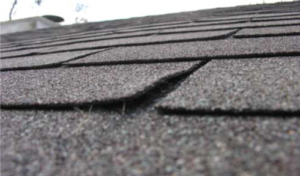
Look for missing shingles, curling edges, granule loss, damaged flashing, exposed roof decking, leaks, and deteriorated sealants. Interior ceiling stains can also indicate moisture intrusion.

Should I replace my roof if it has not started leaking?

Possibly. A roof can deteriorate before water becomes visible inside your home. A professional evaluation can identify problems before they create interior damage.

Does replacing a roof before winter help prevent ice dams?

A new roofing system can improve weather protection, but ice dams involve more than shingles. Air leakage, insulation, roof temperatures, and attic conditions can also contribute.

Why Roof Replacement in Plymouth Deserves Attention Before Winter

September can be an ideal time to evaluate your roof before another Minnesota winter arrives.

Plymouth homes face snow, freezing temperatures, wind, ice, and repeated freeze-thaw cycles. These conditions place additional stress on weakened roofing materials.

A small roofing concern in September may become much harder to manage during January.

For example, lifted shingles can allow wind-driven moisture underneath the roofing system. Damaged flashing can create another path for water.

Minor leaks can also become more damaging when snow remains on the roof for extended periods.

Therefore, homeowners should evaluate roof condition before assuming replacement can wait until spring.

When Should Roof Replacement Plymouth Homeowners Consider Before Winter?

Roof age matters, but it should never become the only deciding factor.

Actual roof condition provides much more useful information.

Homeowners should pay particular attention to several warning signs:

  • Missing, cracked, curled, or lifted shingles
  • Noticeable shingle granule loss
  • Leaks or water stains inside the home
  • Damaged flashing around chimneys or roof penetrations
  • Soft or deteriorated roof decking
  • Repeated roof repairs in several different areas
  • Visible deterioration along valleys and roof edges
  • Previous wind or hail damage

One isolated problem may only require repair. Widespread deterioration often makes replacement a better long-term investment.

A professional roof evaluation can help separate cosmetic wear from problems affecting the entire roofing system.

Learn more about available materials and installation options on the 1st Choice Remodeling roofing page.

Repair Now or Replace the Roof?

Homeowners sometimes delay replacement because the roof is not actively leaking.

However, visible leaks usually appear after moisture has already found a path through the roofing system.

The better question involves the overall condition of the roof.

Roof Condition Repair May Make Sense Replacement May Make Sense
Damage area One small localized section Problems appear across several roof slopes
Shingle condition Most shingles remain secure Widespread curling, cracking, or granule loss appears
Leaks One identifiable flashing problem Leaks appear in multiple locations
Roof age Roof remains relatively young Roof is approaching expected service life
Repair history Few previous repairs Repeated repairs continue adding costs
Winter readiness Roof remains structurally sound Existing weaknesses could worsen under winter conditions

The lowest-cost option today is not always the lowest-cost choice over several years.

Several repairs on an aging roof can eventually cost more without solving the underlying deterioration.

Why Plymouth’s Winter Climate Changes the Decision

Minnesota homeowners need to consider conditions that homeowners in warmer climates rarely face.

Snow can remain on a roof for long periods. Temperatures may also move above and below freezing repeatedly.

Those freeze-thaw cycles can expose weaknesses around shingles, valleys, flashing, and roof penetrations.

Ice dams create another concern for Minnesota homes.

The University of Minnesota Extension explains that ice dams form when roof temperatures vary across the roof surface.

Melting snow can then refreeze near colder roof edges and prevent drainage.

Water can eventually back up beneath roofing materials and enter the home.

Homeowners can review the University of Minnesota Extension’s guidance on preventing and managing ice dams.

A New Roof Is Only Part of Winter Roof Protection

Roofing R factor in Winter

One important point often gets overlooked during roof replacement discussions.

Shingles represent only one part of the complete roofing system.

A quality roof evaluation should also consider:

  • Roof decking condition
  • Underlayment
  • Flashing
  • Roof penetrations
  • Valleys
  • Eaves and roof edges
  • Attic ventilation
  • Signs of excessive attic moisture

These details become particularly important before a Minnesota winter.

For example, replacing shingles alone will not correct significant attic heat loss.

Likewise, inadequate insulation or air sealing can contribute to uneven roof temperatures.

This whole-system approach can help homeowners identify problems that could otherwise continue after roof replacement.

Why Early Fall Can Be a Smart Time for Roof Replacement

Homeowners often wait until a roof leaks before calling a contractor.

Planning earlier offers several advantages.

More Time to Evaluate Your Options

An early decision gives you time to compare roofing materials, colors, warranties, and project details.

You can make those decisions without an active leak creating unnecessary pressure.

Better Opportunity to Address Hidden Damage

Removing an older roof may reveal damaged decking or other conditions beneath the shingles.

Discovering those problems before winter allows them to be addressed before snow covers the roof.

Less Risk of Entering Winter With Existing Problems

Winter does not improve a failing roof.

Existing vulnerabilities can become more concerning when snow, ice, wind, and moisture arrive.

Completing necessary work first can provide greater confidence throughout the colder months.

Do Not Assume Every Older Roof Needs Immediate Replacement

Exterior Remodeling - Home roofing

Homeowners should also avoid replacing a functional roof simply because winter is approaching.

An honest inspection may determine that a repair can safely extend its useful life.

The condition of the shingles, flashing, decking, and previous repairs should guide that decision.

Your future remodeling plans also matter.

If you expect other exterior projects soon, coordinated planning may reduce duplicated work around rooflines and exterior components.

The 1st Choice Remodeling blog offers additional guidance about roofing and exterior remodeling decisions.

Consider Roof Features That Can Create Winter Trouble Spots

Some homes have more complicated roof designs than others.

Complex valleys, dormers, skylights, chimneys, and roof intersections create additional areas requiring careful flashing.

Trees can also affect roof conditions.

Overhanging branches may drop debris into valleys and gutters. Leaves can restrict drainage before winter precipitation arrives.

Homeowners should also inspect gutters and downspouts before freezing weather.

Proper drainage helps move water away from vulnerable roof edges and the foundation.

What Should Homeowners Ask a Roofing Contractor?

Price matters, but it should not be the only question.

Ask what the complete roofing installation includes.

Useful questions include:

  • Will the existing roof be completely removed?
  • How will damaged decking be handled?
  • What underlayment will be installed?
  • How will valleys and roof penetrations be protected?
  • Will attic ventilation be evaluated?
  • What manufacturer warranties apply?
  • What workmanship warranty is included?
  • How will landscaping and property be protected?
  • How will cleanup and nail removal be handled?

Detailed answers help homeowners compare complete roofing systems instead of comparing estimates by price alone.

What Plymouth Homeowners Can Expect From 1st Choice Remodeling

1st Choice Remodeling provides roofing replacement and repair throughout Plymouth and the Twin Cities metro.

The company installs roofing products from Owens Corning and CertainTeed.

Its roofing crews focus on efficient installation, property protection, and dependable workmanship.

Homeowners can also review roofing options and manufacturer information on the roofing services page.

What Homeowners Are Saying

“We’ve used 1st Choice Remodeling for new gutters in the past and we just had our roof replaced June 2026. We are very happy with the outcome. Competitive bid, quick scheduling and high quality work. Highly recommend!”

— Jaime, 5-Star Google Review

Experiences like Jaime’s highlight several factors homeowners value during a roofing project.

Competitive pricing matters, but scheduling, workmanship, and the finished result matter just as much.

Should You Replace Your Plymouth Roof Before Winter?
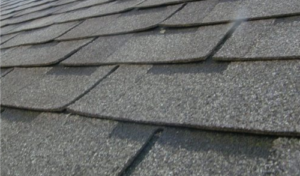
Roofing with wear and tear

If your roof already shows meaningful deterioration, early fall is a good time to address it.

Do not wait for snow or an active leak to make the decision for you.

A professional evaluation can determine whether your roof needs repair or complete replacement.

That information allows you to enter winter with a clearer understanding of your home’s protection.

If your roof remains sound, you may simply need maintenance and continued monitoring.

If significant deterioration exists, replacement before winter may prevent more expensive problems later.

Schedule a Plymouth Roof Evaluation

Concerned about how your roof will handle another Minnesota winter?

1st Choice Remodeling can inspect your roof and help you understand the available options.

Whether you need repairs or complete replacement, the goal should be a durable solution that fits your home.

Contact 1st Choice Remodeling today to request your free estimate and prepare your Plymouth home before winter arrives.

1st Choice Remodeling logo

Published September 2026
 

Roof Replacement

Roof Hail Damage: What to Look For

Roof Hail Damage can shorten the life of your roof long before leaks become visible. Learning what to look for after a hailstorm helps homeowners protect their investment, prevent costly repairs, and make informed decisions about inspections and roof restoration.

  • Roof Hail Damage is not always visible from the ground.
  • Hail can bruise shingles, loosen protective granules, and damage flashing.
  • Early inspections help identify hidden storm damage before leaks develop.
  • Minnesota’s changing weather patterns, including stronger storms during some El Niño years, can increase roofing concerns.
  • Professional inspections help determine whether repair or replacement is the better investment.
  • Prompt action protects your home’s value and helps prevent additional structural damage.

Frequently Asked Questions

FAQ's

How can I tell if hail damaged my roof?

Common signs include missing granules, bruised shingles, cracked shingles, dented roof vents, damaged flashing, and dents in gutters or downspouts. Some damage is difficult to identify without a professional inspection.

Should I inspect my roof after every hailstorm?

Any significant hailstorm deserves an inspection, especially if hail is one inch or larger. Even small hail can damage older roofing materials.

Can hail damage cause leaks immediately?

Not always. Many roofs continue protecting the home temporarily even after hail has weakened the shingles. Leaks may appear months later.

Does every hail-damaged roof need replacement?

No. Some roofs only require localized repairs. The age of the roof, material condition, and extent of damage determine the appropriate solution.

Can hail damage reduce my roof’s lifespan?

Yes. Even when leaks are not present, hail can shorten the expected life of roofing materials by damaging their protective surface.

Why should a professional inspect hail damage?

Professionals recognize subtle signs of impact that homeowners often overlook. They also inspect flashing, vents, valleys, and other critical roofing components.

Roof Hail Damage is one of the most common reasons Minnesota homeowners need roof repairs or replacement. Unfortunately, hail damage is not always obvious. A roof may appear perfectly fine from the driveway while hidden impact damage slowly reduces its ability to protect your home. Because of that, understanding what to look for after a storm can help you avoid expensive repairs later.

In Ramsey and throughout the Twin Cities area, severe thunderstorms regularly bring damaging hail during spring and summer. Meteorologists also note that some El Niño weather patterns can contribute to increased atmospheric moisture and stronger storm systems across portions of the Upper Midwest. While no single season is identical, homeowners should remain prepared whenever forecasts call for severe weather.

Why Roof Hail Damage Is Often Missed

Most homeowners expect hail damage to leave obvious holes or missing shingles. However, hail frequently creates much more subtle problems. Instead of tearing through the roof, hail often bruises the asphalt layer beneath the protective granules. The roof may continue shedding water normally for months.

Unfortunately, every rainfall, hot summer day, and freezing Minnesota winter continues weakening those damaged shingles. Eventually, cracks develop, granules continue washing away, and water finds its way beneath the roofing system.

This delayed damage explains why many homeowners discover roof leaks long after the original hailstorm.

What Professional Inspectors Look For

roofing portfolio

A professional roof inspection evaluates much more than missing shingles. Experienced inspectors understand how hail impacts different roofing materials and where damage commonly develops.

They typically inspect:

  • Bruised asphalt shingles
  • Granule loss exposing asphalt matting
  • Hairline fractures
  • Damaged ridge caps
  • Dented roof vents
  • Damaged flashing
  • Valley protection
  • Gutters and downspouts
  • Skylights
  • Chimney flashing

Additionally, inspectors compare damage patterns across different roof slopes. One side of the home often experiences much greater impact depending on wind direction during the storm.

Granule Loss Matters More Than Most Homeowners Realize

One unique characteristic of Roof Hail Damage involves the loss of protective granules. These small mineral granules shield asphalt shingles from ultraviolet sunlight.

When hail knocks away those granules, the underlying asphalt begins aging much faster. Heat from the summer sun accelerates deterioration. Consequently, shingles become brittle sooner than expected.

This means a roof may continue looking relatively normal while quietly losing years of expected service life.

Why Older Roofs Require Extra Attention

Roof age significantly influences hail performance. Older shingles naturally become less flexible after years of exposure to sunlight and temperature changes.

During hailstorms, brittle shingles crack more easily than newer materials. Therefore, homes with roofs approaching 15 to 20 years old deserve especially careful inspections after severe weather.

Even moderate hail can create damage that would not occur on a newer roofing system.

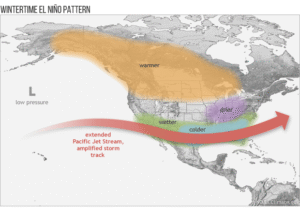
How El Niño Can Affect Minnesota Storm Seasons

el nino impacts on summer weather for MN

Homeowners often hear about El Niño during weather forecasts but may not understand how it relates to roofing.

El Niño refers to warmer-than-average ocean temperatures in the tropical Pacific Ocean. Those warmer waters influence weather patterns across North America. Although every El Niño event is different, Minnesota can experience periods of increased atmospheric moisture and stronger thunderstorms during portions of the severe weather season.

That does not guarantee more hail every year. However, it does reinforce the importance of preparing homes before severe weather develops.

The National Weather Service Hail Safety Guide provides helpful information about hail formation and storm safety for homeowners.

Small Damage Can Become Large Repairs

Roofing systems work together to keep moisture outside the home. Once hail compromises even one component, water has additional opportunities to enter the structure.

Over time, untreated damage may affect:

  • Roof decking
  • Attic insulation
  • Ventilation systems
  • Ceilings
  • Interior walls
  • Structural framing
  • Mold prevention systems

Therefore, addressing roof damage promptly usually costs far less than repairing interior water damage later.

Repair or Replace? Making the Right Decision

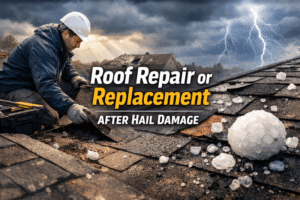
Roof Repair After Hail Damage

One of the most common questions homeowners ask after a hailstorm is whether the roof needs repair or complete replacement. The answer depends on several factors. These include the roof’s age, the extent of the damage, the condition of the underlying materials, and whether the damage affects isolated areas or multiple roof slopes.

Repairs may be appropriate when:

  • Damage is limited to a small section of the roof.
  • The remaining shingles are in good condition.
  • Matching shingles are still available.
  • The roof has many years of expected life remaining.

Replacement may become the better investment when:

  • Damage affects several roof planes.
  • The shingles are nearing the end of their lifespan.
  • Granule loss is widespread.
  • Multiple repairs have already been completed over the years.
  • The roof has experienced repeated hailstorms.

A professional inspection provides the information needed to make a confident decision instead of relying on guesswork.

Modern Roofing Materials Offer Better Storm Protection

Today’s roofing products continue improving every year. Many manufacturers now produce impact-resistant shingles that are specifically engineered to withstand larger hailstones and stronger winds.

Although no roofing material is completely hail-proof, newer products often provide:

  • Greater impact resistance
  • Improved wind ratings
  • Longer manufacturer warranties
  • Better granule adhesion
  • Enhanced curb appeal
  • Improved energy efficiency

For homeowners replacing an older roof, upgrading to newer materials can provide additional peace of mind during future storm seasons.

Why Documentation Matters After a Storm

Many homeowners focus only on visible roof damage. However, documenting the condition of the roof immediately after a hailstorm can be extremely valuable.

Take photographs of:

  • Roof surfaces visible from the ground
  • Dented gutters and downspouts
  • Damaged siding
  • Roof vents
  • Window trim
  • Tree damage around the property

These photographs create a timeline of the storm’s impact and help track any changes that develop over the following weeks or months.

Do Not Forget the Rest of the Exterior

Hail rarely damages only the roof. The same storm that strikes shingles often affects other exterior components as well.

During a complete inspection, professionals also examine:

  • Soffit and fascia
  • Roof flashing
  • Gutters and gutter guards
  • Chimney flashing
  • Roof vents
  • Skylights
  • Siding
  • Exterior trim

Finding all storm-related damage during one inspection allows homeowners to develop a complete repair plan instead of discovering new problems months later.

Why Professional Roof Inspections Provide Greater Value

Walking around your home after a hailstorm is a good first step. However, many roofing problems simply cannot be seen safely from the ground.

Professional roofing contractors understand how hail affects different roofing systems. They recognize subtle bruising, hidden fractures, weakened seal strips, and granule loss that most homeowners would never notice.

Additionally, experienced inspectors evaluate the entire roofing system rather than focusing only on damaged shingles. Flashing, ventilation, valleys, ridge caps, and drainage components all work together to protect your home.

That complete evaluation provides homeowners with a much clearer understanding of the roof’s condition and expected remaining lifespan.

Protect Your Investment Before the Next Storm

Waiting until water appears inside the home often means damage has already spread beneath the roofing system. By then, repairs may involve insulation, drywall, framing, or other structural components in addition to the roof itself.

Scheduling an inspection after significant hail allows problems to be identified while they are still relatively small. That proactive approach often reduces repair costs while extending the life of the roof.

If you believe your home may have experienced recent hail damage, visit our Roofing Services page to learn more about professional inspections, repairs, and replacement options available throughout Ramsey and the surrounding communities.

Trust 1st Choice Remodeling After Severe Weather

Storm damage is stressful enough without wondering whether hidden roof problems remain. Our experienced team helps homeowners understand the condition of their roof and provides honest recommendations based on the actual damage—not unnecessary replacements.

Whether your roof requires a simple repair or a complete replacement, we are committed to quality workmanship and long-lasting results.

For additional remodeling tips and homeowner resources, visit our Blog Page.

Schedule Your Roof Inspection Today

Do not wait for a small hail bruise to become a costly roof leak. If your neighborhood recently experienced severe weather, now is the ideal time to have your roof professionally inspected.

Contact 1st Choice Remodeling today to schedule your professional roof inspection. We’ll help you identify storm damage early, protect your investment, and keep your home ready for whatever Minnesota weather brings next.

1st Choice Remodeling logo

Authored by 1st Choice Remodeling | Published July 2026


Hail Damage Roof inspection

Hail Damage Roof Inspection helps homeowners identify hidden storm damage before leaks, moisture problems, and structural issues become more expensive. Fast inspections after severe weather can protect both your home and your long-term investment.

  • Hail Damage Roof Inspection should happen soon after major storms or hail events.
  • Roof damage is not always visible from the ground.
  • Hail can weaken shingles even when leaks are not immediately present.
  • Professional inspections help identify hidden storm-related damage.
  • Early repairs can prevent water intrusion and interior damage.
  • Modern roofing materials may improve future storm resistance.

After a severe storm, scheduling a Hail Damage Roof Inspection is one of the smartest steps a homeowner can take. Hail damage often looks minor at first. However, small impact marks can weaken roofing materials and shorten the lifespan of the entire system. Therefore, professional inspections are important even when the roof appears mostly intact from the ground.

In Minnesota, hailstorms can arrive suddenly and create widespread exterior damage. Roofing systems often take the largest impact. Consequently, quick evaluations help homeowners identify problems before moisture and structural issues develop.

Frequently Asked Questions About Hail Damage Roof Inspection

FAQ's

How do I know if my roof has hail damage?

Common signs include bruised shingles, missing granules, cracked shingles, dented flashing, and damaged gutters. However, some damage is difficult to spot without a professional inspection.

Can hail damage cause leaks right away?

Not always. Some roofs continue functioning temporarily even after shingles have been weakened by hail impact.

How soon should I schedule a roof inspection after hail?

It is best to schedule an inspection as soon as possible after a hailstorm. Early inspections help prevent moisture intrusion and larger repair costs.

Does every hailstorm require roof replacement?

No. Some roofs only need targeted repairs. The extent of the damage, roof age, and material condition determine the best solution.

What areas besides shingles can hail damage affect?

Hail can also damage flashing, vents, gutters, skylights, siding, and window trim.

Why is professional inspection important after hail?

Professionals can identify hidden impact damage that homeowners may miss. They also evaluate the full roofing system for long-term performance concerns.

Why Hail Damage Is Often Hard to Detect

Many homeowners expect hail damage to look dramatic. However, some of the most serious problems begin with small impact marks that are easy to overlook. Hail may bruise shingles, loosen granules, or weaken seal strips without creating immediate leaks.

Over time, those damaged areas deteriorate faster under sunlight, rain, and changing temperatures. Consequently, the roof becomes more vulnerable to future storms and moisture intrusion.

Additionally, damage patterns often vary across different roof slopes. One side of the roof may receive far more impact than another depending on wind direction during the storm.

Common Signs of Hail Damage

Professional inspectors look for more than missing shingles. They evaluate the entire roofing system for signs of impact and wear.

Common indicators include:

  • Dark bruised spots on asphalt shingles
  • Granule loss exposing the asphalt layer beneath
  • Cracked or split shingles
  • Dented flashing, roof vents, and gutters
  • Soft spots caused by impact compression
  • Loose seal strips between shingles

Additionally, inspectors check nearby exterior features. Damage to gutters, siding, or window trim often helps confirm storm direction and hail intensity.

Hail Damage Roof Inspection Helps Prevent Larger Repairs

One major benefit of Hail Damage Roof Inspection is early detection. Small roof issues rarely improve on their own. Instead, they typically worsen with additional weather exposure.

Moisture entering through damaged shingles can affect:

  • Roof decking
  • Attic insulation
  • Ventilation systems
  • Interior ceilings and walls
  • Structural framing components

Therefore, inspections and timely repairs help prevent larger restoration costs later.

Why Roof Age Matters After Hailstorms

Roof inspections for repair or replacements

The age of your roof plays a major role in how it responds to hail. Older shingles are often more brittle and less flexible. As a result, they may crack or lose granules more easily during storms.

Newer roofing systems generally perform better. However, even newer roofs can suffer hidden impact damage after severe hail events. Because of that, inspections remain important regardless of roof age.

Modern Roofing Materials Offer Better Protection

One advantage of storm restoration projects is the opportunity to upgrade roofing materials. Many modern shingles offer improved impact resistance compared to older products.

Some roofing systems are specifically designed to:

  • Resist hail impact more effectively
  • Reduce granule loss
  • Improve wind resistance
  • Enhance long-term durability
  • Increase overall energy efficiency

Because of that, replacement projects can improve both storm protection and home value.

Professional Roof Inspections Provide Valuable Insight

Replacing a residential roof

Experienced roofing professionals understand how hail affects different roofing materials. They also know where hidden damage commonly develops. Consequently, professional evaluations provide homeowners with a clearer understanding of the roof’s true condition.

Inspectors evaluate shingles, flashing, vents, gutters, valleys, and other vulnerable areas. They also look for subtle warning signs that homeowners may not notice from the ground.

If your roof may have storm-related damage, visit the
Roofing Page for additional information about repair and replacement solutions.

Helpful Steps Homeowners Can Take After a Hailstorm

After severe weather, homeowners can take several smart steps before scheduling repairs.

  • Inspect the property safely from the ground
  • Look for debris or shingle fragments in the yard
  • Check gutters and downspouts for dents
  • Inspect ceilings and attic spaces for water stains
  • Take photos of visible damage
  • Schedule a professional roof inspection promptly

These steps can help document damage and identify potential concerns early.

Why Fast Action Protects Your Home

Storm damage often worsens with time. Wind, rain, heat, and freeze-thaw cycles place additional stress on weakened roofing materials. Therefore, delaying inspections or repairs can increase long-term costs.

Prompt action helps preserve:

  • Roof lifespan
  • Interior protection
  • Energy efficiency
  • Curb appeal
  • Property value

For additional homeowner guidance about severe weather safety and storm recovery, visit the

National Weather Service hail safety resource
.

Schedule Your Roof Inspection Today

Hail damage can create hidden problems long before leaks become obvious. A professional inspection helps identify issues early and protects your home from larger repairs later.

If your property recently experienced hail or severe weather, now is the time to act. Contact
1st Choice Remodeling today to schedule a professional roof inspection and discuss repair or replacement options.

For more remodeling tips and seasonal home improvement insights, visit the
1st Choice Remodeling Blog Page.

1st Choice Remodeling logo

Authored by 1st Choice Remodeling | Published June 2026

Exterior Home remodel - 0% Deferred Interest Financing available

Financing for Exterior Home Remodels: Upgrade Now, Pay Over Time

Looking for 0% deferred financing exterior remodeling options? 1st Choice Remodeling offers flexible financing that can help you move forward with critical exterior upgrades—without putting your project on hold. In this guide, you’ll learn how 0% deferred interest can work, which projects it fits best, and how to apply quickly.

Why Homeowners Choose Financing for Exterior Remodeling

Exterior remodeling is not just about curb appeal. In Minnesota, your roof, siding, and windows protect your home against wind, snow load, ice, and extreme temperature swings. When repair becomes replacement—or when you want to invest in long-term efficiency—financing gives you the ability to act at the right time, not “someday.”

  • Stop small issues from becoming bigger repairs: Water intrusion and hidden rot can worsen quickly.
  • Improve energy efficiency: New windows and properly installed siding can reduce drafts and improve indoor comfort.
  • Spread out costs: Keep savings available for other priorities while completing a high-impact upgrade.
  • Stay on schedule: Avoid delaying a project because of timing or cash flow concerns.

What “0% Deferred Interest” Means (In Plain English)

With 0% deferred interest, you may have the opportunity to finance eligible exterior projects with no interest for a promotional period—as long as the terms are met. At 1st Choice Remodeling, the financing program includes 0% deferred interest for up to 24 months on qualifying projects.

Important note: “Deferred interest” is different from “no-interest installment.” The promotion can be an excellent option, but the key is understanding the promotional period and payment requirements. Your 1st Choice Remodeling representative can walk you through the details so you can choose the best plan for your situation.

Projects That Pair Well With Financing

Financing is especially helpful for projects where timing matters or where upgrades deliver lasting value. Homeowners commonly finance:

  • Roof replacement and storm restoration to protect the home envelope
  • Siding installation to improve durability, curb appeal, and maintenance needs
  • Window and entry door replacement to improve comfort and efficiency
  • Deck builds to expand outdoor living and enhance property value

When these upgrades are combined into one exterior plan, financing can also help you complete the work in a single coordinated timeline.

Financing Benefits Available Through 1st Choice Remodeling

1st Choice Remodeling offers financing structured to support real-world exterior remodeling budgets. Benefits include:

  • 0% deferred interest for up to 24 months (on qualifying plans)
  • High loan limits—up to $50,000 for larger exterior projects
  • Competitive rates and long-term loans for flexible payment options
  • Quick approvals so your project can move forward without delays

To review current financing options, visit our financing page: https://www.1stchoicmn.com/financing/

How the Process Works: From Estimate to Approval

  1. Schedule a free in-home estimate and discuss your project goals.
  2. Review your scope and budget with a clear plan for materials, timeline, and installation.
  3. Explore financing options with your representative and select a plan that fits your needs.
  4. Receive an approval decision quickly so your project can be scheduled.
  5. Start your remodel with a certified installation process and quality materials.

Ready to begin? Contact us here: https://www.1stchoicmn.com/contact-us/

Financing Is a Strategy, Not Just a Payment Method

0% Deferred Interest Financing


When used thoughtfully, financing helps you protect your home, plan upgrades around the season, and choose materials that deliver long-term performance. If you’re deciding between “repair now” and “replace right,” financing can help you choose the solution that reduces future headaches.

Call 1st Choice Remodeling at 763.515.6095 or request an estimate online to review your options.

FAQs: 0% Deferred Financing for Exterior Remodeling

How long is the 0% deferred interest period?
Eligible financing can include 0% deferred interest for up to 24 months, depending on the program and qualifications.
What projects can be financed?
Commonly financed exterior projects include roofing, siding, windows and doors, and decks.
How much can I finance?
Financing may be available up to $50,000, depending on approval and program terms.
Is the approval process slow?
No. The process is designed to be straightforward with quick decisions so projects can start without unnecessary delays.
Where do I apply or get started?
Start by requesting a free estimate and asking about current financing options: https://www.1stchoicmn.com/contact-us/

1st Choice Remodeling
6451 McKinley St., Suite R, Ramsey, MN 55303
Phone: 763.515.6095 | Email: info@1stchoiceremodeling.net

1st Choice Remodeling logo

Published January 2026

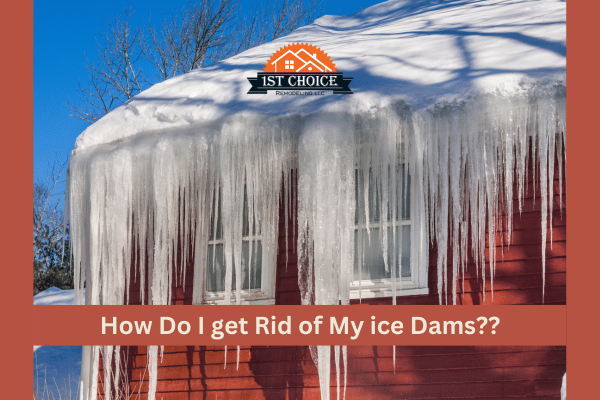
How Do I get Rid of My ice Dams

If you’ve ever noticed icicles hanging from your roof or seen patches of ice accumulating along the edges of your roofline, you might have an ice dam problem. Ice dams can cause significant damage to your home, including leaks, water damage, and roof deterioration. But what exactly causes ice dams, and why do they form in the first place?

What Is an Ice Dam?

An ice dam is a build-up of ice that forms along the edges of your roof, typically near the eaves (the part of the roof that overhangs the walls). It happens when snow on your roof melts, flows down toward the colder eaves, and refreezes, creating a dam of ice. As more snow melts, the water gets trapped behind the dam and can leak into your home, causing serious water damage.

The Main Causes of Ice Dams

  1. Poor Insulation in the Attic The primary cause of ice dams is heat loss from your attic. Warm air from your living space rises into the attic and warms the roof, causing the snow to melt. The melted water flows down the roof but refreezes once it hits the cold eaves, where there’s no warmth from the home below. Without adequate attic insulation, heat escapes and melts snow, triggering the ice dam formation.
  2. Inadequate Ventilation Proper ventilation in the attic is key to preventing ice dams. Without proper airflow, the warm air trapped in the attic can further contribute to snow melting unevenly. Attic vents help ensure that cold air stays on the roof, preventing the snow from melting prematurely and allowing the roof temperature to stay consistent.
  3. Roof Design and Snow Accumulation Some roof designs are more prone to ice dams than others. For instance, roofs with low slopes, valleys, or areas where snow can accumulate easily are more likely to experience ice dam problems. When snow builds up in these areas and warms up from below, it can quickly melt and cause a backup of water behind the ice dam.

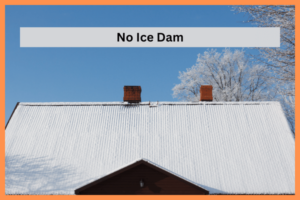
No Ice Dam

How to Prevent Ice Dams

To avoid ice dams and the damage they can cause, consider these solutions:

  • Improve attic insulation: Make sure your attic is properly insulated to prevent warm air from escaping into the roof.
  • Ensure proper ventilation: Install roof and soffit vents to create airflow that will help keep the roof cold and prevent snow from melting prematurely.
  • Keep gutters and downspouts clear: Make sure your gutters are free of debris so water can flow freely and won’t back up, contributing to ice dam formation.
  • Install heat cables: In areas with heavy snowfall, heating cables along the roofline can help melt snow and prevent ice dams from forming.

By addressing these issues, you can reduce the likelihood of ice dams and protect your home from the costly damage they can cause.

Contact 1st Choice Remodeling for more information or to schedule a free estimate.

1st Choice Remodeling logo

Storm Damage Process

Storm Damage Process: What to Expect

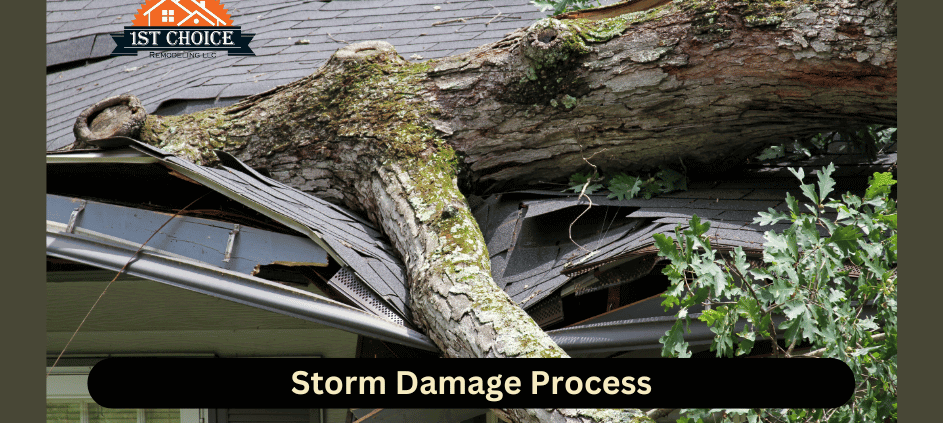
The storm damage process can be overwhelming, but 1st Choice Remodeling makes it simple. Our experienced team helps homeowners restore their properties after hail or wind storms. We work directly with insurance carriers to ensure you receive a fair settlement that covers all necessary repairs.

Understanding the Storm Damage Process

Insurance Claim Process

  1. Comprehensive Inspection – We assess your entire exterior to determine if storm damage justifies filing an insurance claim.
  2. Damage Documentation – We take detailed photos and show homeowners the damage, especially areas like roofs, window cladding, fascia, and gutters.
  3. Filing the Claim – If hail or wind damage is present, we recommend contacting your insurance carrier to start a property damage claim.
  4. Insurance Adjuster Meeting – A 1st Choice Remodeling field representative meets the adjuster on-site to ensure all storm-related damage is documented.
  5. Estimate Review & Revisions – We analyze the insurance adjuster’s repair estimate to confirm it covers all necessary repairs and fair pricing. If adjustments are needed, we submit a revised estimate using the same estimating software as the insurance company.
  6. Agreement on Scope & Cost – Once 1st Choice Remodeling and the insurance carrier agree on scope and costs, homeowners receive a detailed estimate and payment to begin repairs.
  7. Material Selection & Scheduling – Your 1st Choice representative helps you select materials, colors, and provides estimated start and completion dates.
  8. Final Walkthrough & Completion – A field supervisor conducts a final inspection to ensure repairs meet our high standards. 1st Choice Remodeling then submits a completion invoice for final payment.

Get Help with the Storm Damage Process

Minnesota storms can cause serious exterior damage, but our team simplifies the storm damage process. Contact 1st Choice Remodeling today for a professional inspection and expert storm restoration services!

Contact 1st Choice Remodeling for more information or a free estimate.

1st Choice Remodeling logo