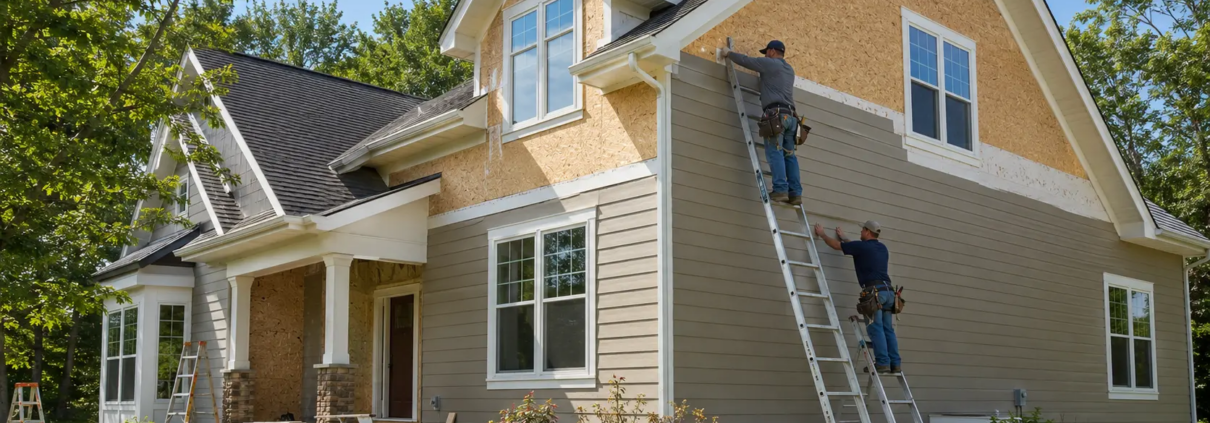
Siding replacement guidance, including material comparisons, durability in Minnesota weather, curb appeal improvements, and installation best practices.

Tag Archive for: Siding Replacement

Roof Replacement

Roof Hail Damage: What to Look For

Roof Hail Damage can shorten the life of your roof long before leaks become visible. Learning what to look for after a hailstorm helps homeowners protect their investment, prevent costly repairs, and make informed decisions about inspections and roof restoration.

  • Roof Hail Damage is not always visible from the ground.
  • Hail can bruise shingles, loosen protective granules, and damage flashing.
  • Early inspections help identify hidden storm damage before leaks develop.
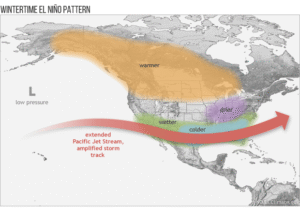
  • Minnesota’s changing weather patterns, including stronger storms during some El Niño years, can increase roofing concerns.
  • Professional inspections help determine whether repair or replacement is the better investment.
  • Prompt action protects your home’s value and helps prevent additional structural damage.

Frequently Asked Questions

FAQ's

How can I tell if hail damaged my roof?

Common signs include missing granules, bruised shingles, cracked shingles, dented roof vents, damaged flashing, and dents in gutters or downspouts. Some damage is difficult to identify without a professional inspection.

Should I inspect my roof after every hailstorm?

Any significant hailstorm deserves an inspection, especially if hail is one inch or larger. Even small hail can damage older roofing materials.

Can hail damage cause leaks immediately?

Not always. Many roofs continue protecting the home temporarily even after hail has weakened the shingles. Leaks may appear months later.

Does every hail-damaged roof need replacement?

No. Some roofs only require localized repairs. The age of the roof, material condition, and extent of damage determine the appropriate solution.

Can hail damage reduce my roof’s lifespan?

Yes. Even when leaks are not present, hail can shorten the expected life of roofing materials by damaging their protective surface.

Why should a professional inspect hail damage?

Professionals recognize subtle signs of impact that homeowners often overlook. They also inspect flashing, vents, valleys, and other critical roofing components.

Roof Hail Damage is one of the most common reasons Minnesota homeowners need roof repairs or replacement. Unfortunately, hail damage is not always obvious. A roof may appear perfectly fine from the driveway while hidden impact damage slowly reduces its ability to protect your home. Because of that, understanding what to look for after a storm can help you avoid expensive repairs later.

In Ramsey and throughout the Twin Cities area, severe thunderstorms regularly bring damaging hail during spring and summer. Meteorologists also note that some El Niño weather patterns can contribute to increased atmospheric moisture and stronger storm systems across portions of the Upper Midwest. While no single season is identical, homeowners should remain prepared whenever forecasts call for severe weather.

Why Roof Hail Damage Is Often Missed

Most homeowners expect hail damage to leave obvious holes or missing shingles. However, hail frequently creates much more subtle problems. Instead of tearing through the roof, hail often bruises the asphalt layer beneath the protective granules. The roof may continue shedding water normally for months.

Unfortunately, every rainfall, hot summer day, and freezing Minnesota winter continues weakening those damaged shingles. Eventually, cracks develop, granules continue washing away, and water finds its way beneath the roofing system.

This delayed damage explains why many homeowners discover roof leaks long after the original hailstorm.

What Professional Inspectors Look For

roofing portfolio

A professional roof inspection evaluates much more than missing shingles. Experienced inspectors understand how hail impacts different roofing materials and where damage commonly develops.

They typically inspect:

  • Bruised asphalt shingles
  • Granule loss exposing asphalt matting
  • Hairline fractures
  • Damaged ridge caps
  • Dented roof vents
  • Damaged flashing
  • Valley protection
  • Gutters and downspouts
  • Skylights
  • Chimney flashing

Additionally, inspectors compare damage patterns across different roof slopes. One side of the home often experiences much greater impact depending on wind direction during the storm.

Granule Loss Matters More Than Most Homeowners Realize

One unique characteristic of Roof Hail Damage involves the loss of protective granules. These small mineral granules shield asphalt shingles from ultraviolet sunlight.

When hail knocks away those granules, the underlying asphalt begins aging much faster. Heat from the summer sun accelerates deterioration. Consequently, shingles become brittle sooner than expected.

This means a roof may continue looking relatively normal while quietly losing years of expected service life.

Why Older Roofs Require Extra Attention

Roof age significantly influences hail performance. Older shingles naturally become less flexible after years of exposure to sunlight and temperature changes.

During hailstorms, brittle shingles crack more easily than newer materials. Therefore, homes with roofs approaching 15 to 20 years old deserve especially careful inspections after severe weather.

Even moderate hail can create damage that would not occur on a newer roofing system.

How El Niño Can Affect Minnesota Storm Seasons

el nino impacts on summer weather for MN

Homeowners often hear about El Niño during weather forecasts but may not understand how it relates to roofing.

El Niño refers to warmer-than-average ocean temperatures in the tropical Pacific Ocean. Those warmer waters influence weather patterns across North America. Although every El Niño event is different, Minnesota can experience periods of increased atmospheric moisture and stronger thunderstorms during portions of the severe weather season.

That does not guarantee more hail every year. However, it does reinforce the importance of preparing homes before severe weather develops.

The National Weather Service Hail Safety Guide provides helpful information about hail formation and storm safety for homeowners.

Small Damage Can Become Large Repairs

Roofing systems work together to keep moisture outside the home. Once hail compromises even one component, water has additional opportunities to enter the structure.

Over time, untreated damage may affect:

  • Roof decking
  • Attic insulation
  • Ventilation systems
  • Ceilings
  • Interior walls
  • Structural framing
  • Mold prevention systems

Therefore, addressing roof damage promptly usually costs far less than repairing interior water damage later.

Repair or Replace? Making the Right Decision

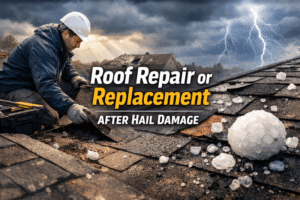
Roof Repair After Hail Damage

One of the most common questions homeowners ask after a hailstorm is whether the roof needs repair or complete replacement. The answer depends on several factors. These include the roof’s age, the extent of the damage, the condition of the underlying materials, and whether the damage affects isolated areas or multiple roof slopes.

Repairs may be appropriate when:

  • Damage is limited to a small section of the roof.
  • The remaining shingles are in good condition.
  • Matching shingles are still available.
  • The roof has many years of expected life remaining.

Replacement may become the better investment when:

  • Damage affects several roof planes.
  • The shingles are nearing the end of their lifespan.
  • Granule loss is widespread.
  • Multiple repairs have already been completed over the years.
  • The roof has experienced repeated hailstorms.

A professional inspection provides the information needed to make a confident decision instead of relying on guesswork.

Modern Roofing Materials Offer Better Storm Protection

Today’s roofing products continue improving every year. Many manufacturers now produce impact-resistant shingles that are specifically engineered to withstand larger hailstones and stronger winds.

Although no roofing material is completely hail-proof, newer products often provide:

  • Greater impact resistance
  • Improved wind ratings
  • Longer manufacturer warranties
  • Better granule adhesion
  • Enhanced curb appeal
  • Improved energy efficiency

For homeowners replacing an older roof, upgrading to newer materials can provide additional peace of mind during future storm seasons.

Why Documentation Matters After a Storm

Many homeowners focus only on visible roof damage. However, documenting the condition of the roof immediately after a hailstorm can be extremely valuable.

Take photographs of:

  • Roof surfaces visible from the ground
  • Dented gutters and downspouts
  • Damaged siding
  • Roof vents
  • Window trim
  • Tree damage around the property

These photographs create a timeline of the storm’s impact and help track any changes that develop over the following weeks or months.

Do Not Forget the Rest of the Exterior

Hail rarely damages only the roof. The same storm that strikes shingles often affects other exterior components as well.

During a complete inspection, professionals also examine:

  • Soffit and fascia
  • Roof flashing
  • Gutters and gutter guards
  • Chimney flashing
  • Roof vents
  • Skylights
  • Siding
  • Exterior trim

Finding all storm-related damage during one inspection allows homeowners to develop a complete repair plan instead of discovering new problems months later.

Why Professional Roof Inspections Provide Greater Value

Walking around your home after a hailstorm is a good first step. However, many roofing problems simply cannot be seen safely from the ground.

Professional roofing contractors understand how hail affects different roofing systems. They recognize subtle bruising, hidden fractures, weakened seal strips, and granule loss that most homeowners would never notice.

Additionally, experienced inspectors evaluate the entire roofing system rather than focusing only on damaged shingles. Flashing, ventilation, valleys, ridge caps, and drainage components all work together to protect your home.

That complete evaluation provides homeowners with a much clearer understanding of the roof’s condition and expected remaining lifespan.

Protect Your Investment Before the Next Storm

Waiting until water appears inside the home often means damage has already spread beneath the roofing system. By then, repairs may involve insulation, drywall, framing, or other structural components in addition to the roof itself.

Scheduling an inspection after significant hail allows problems to be identified while they are still relatively small. That proactive approach often reduces repair costs while extending the life of the roof.

If you believe your home may have experienced recent hail damage, visit our Roofing Services page to learn more about professional inspections, repairs, and replacement options available throughout Ramsey and the surrounding communities.

Trust 1st Choice Remodeling After Severe Weather

Storm damage is stressful enough without wondering whether hidden roof problems remain. Our experienced team helps homeowners understand the condition of their roof and provides honest recommendations based on the actual damage—not unnecessary replacements.

Whether your roof requires a simple repair or a complete replacement, we are committed to quality workmanship and long-lasting results.

For additional remodeling tips and homeowner resources, visit our Blog Page.

Schedule Your Roof Inspection Today

Do not wait for a small hail bruise to become a costly roof leak. If your neighborhood recently experienced severe weather, now is the ideal time to have your roof professionally inspected.

Contact 1st Choice Remodeling today to schedule your professional roof inspection. We’ll help you identify storm damage early, protect your investment, and keep your home ready for whatever Minnesota weather brings next.

1st Choice Remodeling logo

Authored by 1st Choice Remodeling | Published July 2026


storm home damage 1st Choice Remodeling

Storm Damage Home Repair helps homeowners protect their property after hail, wind, heavy rain, and severe weather. Quick inspections and timely repairs can prevent small exterior problems from turning into costly structural damage.

  • Storm Damage Home Repair should begin with a full exterior inspection after severe weather.
  • Storms commonly damage roofing, siding, windows, gutters, and decks.
  • Hidden storm damage may not appear until leaks or moisture problems develop.
  • Modern replacement materials can improve durability and energy efficiency.
  • Professional inspections help homeowners prioritize repairs and avoid future issues.
  • Fast repairs help preserve curb appeal, structural integrity, and home value.

Frequently Asked Questions About Storm Damage Home Repair

FAQ's

What types of storm damage should homeowners look for?

Homeowners should check for missing shingles, cracked siding, dented gutters, broken window seals, water stains, and loose flashing after severe weather.

Can storm damage be hidden?

Yes. Many storm-related problems develop beneath roofing or siding surfaces. Moisture intrusion and structural weakening may not appear immediately.

How soon should repairs begin after storm damage?

Repairs should begin as soon as possible. Delaying repairs can allow water intrusion and lead to larger structural issues.

Does hail damage always require roof replacement?

No. Some roofs only need targeted repairs. However, widespread hail impact or aging materials may make replacement the better option.

Why is professional inspection important after a storm?

Professionals can identify hidden damage that homeowners may miss. They also evaluate the full exterior system for long-term protection.

Can new materials improve future storm resistance?

Yes. Many modern roofing, siding, and window products offer improved impact resistance and stronger weather performance.

After severe weather moves through Minnesota, Storm Damage Home Repair becomes a top priority for many homeowners. Wind, hail, heavy rain, and flying debris can all damage a home’s exterior. Sometimes the damage is obvious. However, hidden issues often create the biggest long-term problems. Therefore, professional inspections and timely repairs are extremely important.

Storm damage can affect multiple parts of the home at once. Roofing systems may lose shingles or flashing. Siding can crack or loosen. Windows may develop seal failures or moisture intrusion. Decks and outdoor structures can also weaken after storms. Because of that, a complete exterior inspection provides the clearest picture of what repairs are needed.

Why Fast Storm Repairs Matter

Many homeowners delay repairs if damage seems minor. Unfortunately, small exterior problems can quickly become expensive structural issues. A loose shingle or cracked siding panel may allow water behind the home’s protective layers.

Over time, moisture intrusion can damage:

  • Roof decking and framing
  • Insulation and ventilation systems
  • Wall sheathing and trim
  • Interior drywall and ceilings
  • Deck framing and support structures

Additionally, delayed repairs often increase overall project costs. Therefore, acting quickly helps protect both the home and the homeowner’s investment.

Storm Damage Home Repair for Roofing Systems

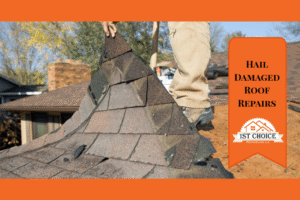
Hail Damaged Roof Repair

Your roof takes the direct impact during most storms. Hail can bruise shingles and remove protective granules. Strong winds may loosen flashing or completely tear shingles away. Heavy rain then exposes vulnerable areas to water intrusion.

One important point many homeowners overlook is that roof damage may not leak immediately. In many cases, weakened shingles continue functioning temporarily before deterioration becomes obvious. Consequently, professional inspections after storms are essential.

If your roof may have storm damage, visit the
Roofing Page to learn more about repair and replacement solutions.

Siding Damage Often Starts Small

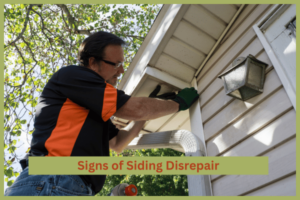
Signs of Siding Disrepair

Siding protects your home from moisture, wind, and changing temperatures. However, hail and debris can crack panels, loosen seams, and create openings that allow water behind the exterior walls.

Additionally, storm damage can reduce insulation performance and increase energy loss. Therefore, siding repairs help preserve both appearance and efficiency.

Modern siding products also offer stronger weather resistance than many older materials. Homeowners often use storm restoration as an opportunity to upgrade curb appeal and durability.

Explore additional siding options on the
Siding Page.

Window Damage Can Affect Comfort and Efficiency

Window Replacement 1st Choice Remodeling

Windows often suffer hidden storm damage. Hail and debris may weaken seals, frames, or trim areas without fully breaking the glass. Over time, those small issues can increase drafts and reduce energy efficiency.

Fogging between panes, water intrusion, and frame movement are all warning signs. Therefore, windows should always be inspected after severe weather.

Modern replacement windows can improve insulation, security, and overall comfort. Learn more on the
Windows Page.

Deck and Outdoor Living Space Damage

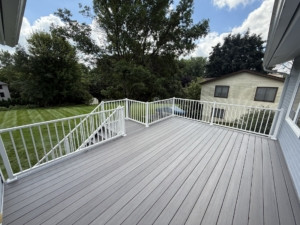
Deck Installation and repair- 1st choice remodeling

Storms can also damage outdoor structures. Heavy rain may weaken deck boards and framing over time. Wind-driven debris can loosen railings or damage surface materials.

Additionally, moisture exposure can shorten the lifespan of untreated or aging decking materials. Therefore, deck inspections are important after severe weather events.

If your outdoor living space needs repairs or upgrades, visit the
Decking Page.

Helpful Tips for Homeowners After a Storm

Taking the right steps after a storm can help simplify the repair process and reduce long-term damage.

  • Inspect the property safely from the ground first
  • Photograph visible damage for documentation
  • Look for roofing or siding debris around the property
  • Check ceilings and attic spaces for moisture stains
  • Avoid climbing onto damaged roofs
  • Schedule a professional inspection promptly

These steps help homeowners better understand the condition of their property before repairs begin.

Modern Materials Improve Long-Term Protection

Storm restoration projects often create opportunities for upgrades. Many modern exterior products provide stronger weather resistance and improved efficiency compared to older materials.

Examples include:

  • Impact-resistant roofing shingles
  • Insulated siding systems
  • Energy-efficient replacement windows
  • Composite decking materials with improved moisture resistance

Because of that, repairs can improve both protection and long-term value.

Why Professional Inspections Make a Difference

Storm damage is not always easy to identify. Experienced contractors know where hidden issues commonly develop. They also understand how different materials respond to wind, hail, and water exposure.

Professional evaluations provide homeowners with a clearer understanding of what needs immediate attention and what may require monitoring later.

For additional information about severe weather preparation and recovery, visit the

Ready.gov severe storm resource
.

Protect Your Home with Professional Storm Repairs

0% Deferred Interest Financing

Storm damage should never be ignored. Small exterior issues can quickly become larger structural problems if moisture reaches vulnerable areas of the home. Therefore, prompt inspections and repairs are one of the best ways to protect your property.

If your home experienced recent hail, wind, or storm damage, now is the time to schedule a professional evaluation. Contact
1st Choice Remodeling today to discuss repair solutions for roofing, siding, windows, and outdoor living spaces.

For more remodeling ideas and seasonal home improvement tips, visit the
1st Choice Remodeling Blog Page.

Schedule Your Storm Damage Inspection Today

Fast action can help prevent larger repairs later. Let the experienced team at 1st Choice Remodeling restore and protect your home with trusted storm damage repair services in Ramsey, MN.

1st Choice Remodeling logo

Authored by 1st Choice Remodeling | Published June 2026

1st Choice Remodeling Latest Trends in siding

Latest Siding Trends continue to shape how homeowners improve curb appeal, durability, and energy efficiency. Staying current with siding options helps you make smarter remodeling decisions that add both beauty and long-term value.

  • Latest Siding Trends focus on durability, energy efficiency, and modern aesthetics.
  • Mixed materials are becoming more popular for creating unique home exteriors.
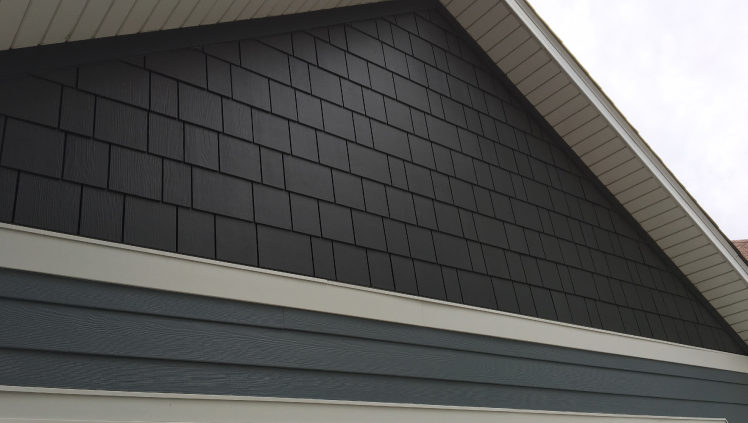
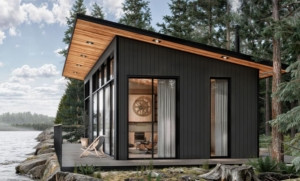
  • Darker siding colors are trending for bold, contemporary curb appeal.
  • Vertical siding is gaining attention as a modern alternative to traditional styles.
  • Low-maintenance materials are a top priority for today’s homeowners.

Understanding Latest Siding Trends helps homeowners make confident decisions when upgrading their home’s exterior. Today’s siding options go beyond simple protection. They combine performance, style, and long-term value. As a result, choosing the right siding can significantly impact both appearance and efficiency.

Why Siding Trends Matter for Homeowners

Siding is one of the most visible parts of your home. Therefore, it plays a major role in curb appeal. However, siding also protects your home from moisture, wind, and temperature changes. Because of that, modern trends focus on both form and function.

Additionally, newer materials offer improved insulation and lower maintenance. This means homeowners can enjoy better performance without constant upkeep. Over time, that leads to cost savings and increased home value.

Popular Materials in Today’s Market

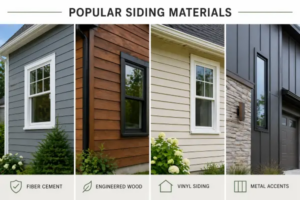
Popular Siding Materials- 1st Choice Remodeling

Material selection is one of the biggest drivers behind siding trends. Homeowners want products that last longer and require less maintenance.

Some of the most popular materials include:

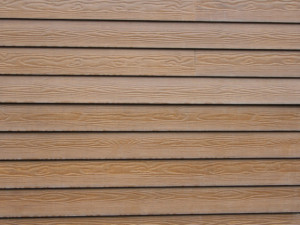
  • Fiber Cement – Known for durability, fire resistance, and wood-like appearance.
  • Engineered Wood – Offers a natural look with improved resistance to moisture and pests.
  • Vinyl Siding – Affordable, versatile, and easy to maintain.
  • Metal Accents – Used in modern designs for a sleek and contemporary finish.

Each material offers unique benefits. Therefore, the best choice depends on your home’s style, budget, and long-term goals.

Color Trends That Are Transforming Exteriors

Siding Color Trends Transforming Exteriors - 1st Choice remodeling

Color plays a major role in today’s siding designs. Neutral tones still dominate, but darker shades are quickly gaining popularity.

Current trending colors include:

  • Deep charcoal and black for a bold, modern look
  • Warm earth tones like clay, tan, and olive
  • Soft grays and off-whites for a clean, timeless appearance
  • Contrasting trim colors to highlight architectural details

While darker colors look striking, they may absorb more heat. Therefore, proper insulation and material choice become even more important.

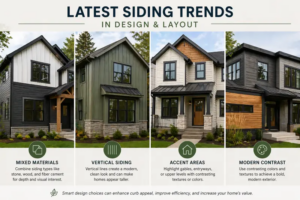
Latest Siding Trends in Design and Layout

Latest Siding Trends in Design and Layout

Latest Siding Trends are not only about materials and colors. They also focus heavily on layout and design combinations.

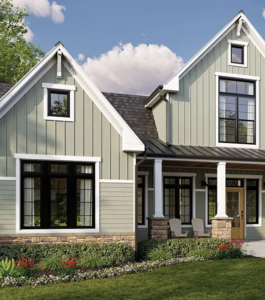
One major trend is mixing materials. For example, homeowners combine horizontal siding with stone or vertical panels. This creates depth and visual interest. Additionally, vertical siding is becoming more popular as a modern alternative to traditional horizontal styles.

Another growing trend is using siding to highlight specific areas of the home. Entryways, gables, and upper levels often feature contrasting textures or colors. As a result, the home feels more customized and architecturally unique.

Low-Maintenance and Energy Efficiency Benefits

Modern siding trends strongly emphasize low maintenance. Homeowners want materials that resist fading, cracking, and weather damage.

At the same time, energy efficiency is a major priority. Insulated siding options help regulate indoor temperatures. Consequently, this can lower heating and cooling costs throughout the year.

For more information about energy-efficient home improvements, visit the

U.S. Department of Energy insulation resource
.

How to Choose the Right Siding for Your Home

Choosing the right siding involves more than following trends. It requires balancing style, performance, and budget.

Consider the following when making your decision:

  • Your home’s architectural style
  • Local weather conditions in Minnesota
  • Maintenance preferences
  • Long-term investment value
  • Energy efficiency goals

Working with experienced professionals can help you evaluate these factors. At
1st Choice Remodeling, we guide homeowners through every step of the siding selection process.

Upgrade Your Home with Confidence

Following Latest Siding Trends can help you create a modern, durable, and efficient home exterior. However, the best results come from combining trends with practical decision-making.

If you are ready to update your siding,
contact 1st Choice Remodeling today. Our team will help you choose the right materials and design for your home.

For more remodeling ideas and expert insights, visit our
Blog Page.

Get Started on Your Siding Project Today

New siding can transform your home’s appearance while improving protection and efficiency. Take the next step today and schedule your consultation with a trusted local expert.

1st Choice Remodeling logo

Authored by 1st Choice Remodeling | Published May 2026

hail damaged siding

Siding Repair After Hail Damage helps protect your home from moisture intrusion, insulation loss, and worsening exterior wear. After a hailstorm, even small cracks or dents can lead to larger problems if they are ignored.

  • Siding Repair After Hail Damage should begin with a professional inspection of all exposed sides of the home.
  • Hail can crack vinyl, chip fiber cement, dent metal, and loosen seams without causing immediate leaks.
  • Early repairs help prevent moisture damage, mold growth, and reduced energy efficiency.
  • Some homes need only targeted siding repairs, while others benefit more from full replacement.
  • Color fading, discontinued products, and widespread impact marks often influence the repair-versus-replace decision.
  • Professional documentation also helps homeowners understand the full scope of storm-related exterior damage.

Frequently Asked Questions

FAQ's

How do I know if my siding has hail damage?

Look for cracks, chips, dents, holes, loose panels, or impact marks. Hail damage may also show up as broken seams or exposed material beneath the surface.

Can hail damage siding without causing obvious holes?

Yes. Hail can weaken siding panels, loosen connections, or create small fractures that worsen over time. Damage does not need to be dramatic to become a problem later.

Is repair enough, or do I need full siding replacement?

That depends on the age of the siding, the extent of the damage, and whether matching materials are still available. Small isolated damage may be repaired, but widespread damage often makes replacement the better long-term option.

What types of siding are commonly damaged by hail?

Vinyl siding often cracks or breaks. Fiber cement may chip. Aluminum or steel siding may dent. Wood siding can also split or lose protective finish after impact.

Should I wait if the siding still looks mostly okay?

No. Small damage can allow water behind the siding. That can affect insulation, wall sheathing, and interior spaces over time. Prompt inspections help prevent bigger repairs later.

Why is professional inspection important after a hailstorm?

Professionals can identify subtle storm damage that homeowners may miss. They also evaluate trim, soffits, fascia, flashing, and other exterior elements that may have been affected.

When a storm moves through Ramsey, siding often takes more damage than homeowners first realize. Siding Repair After Hail Damage is important because the exterior shell of the home does more than create curb appeal. It also protects the structure from moisture, wind, temperature shifts, and long-term wear. Once hail compromises that protective layer, small issues can quickly become larger and more expensive ones.

Hail damage does not always leave dramatic holes or missing sections. In many cases, it creates cracks, dents, chips, or stress points that weaken the siding system. As a result, water can begin working its way behind the panels. Over time, that can damage insulation, house wrap, wall sheathing, and even interior finishes. Therefore, quick action matters.

What Hail Damage Can Do to Different Types of Siding

Different siding materials respond to hail in different ways. That is why professional inspection is so important. The signs are not always the same from one home to another.

Vinyl siding often develops cracks, punctures, or brittle breaks after hail impact. This is especially common on older siding that has already been exposed to years of sun and temperature swings. Fiber cement siding is more durable, yet hail can still chip the surface or damage edges and corners. Metal siding may resist cracking, but it can show visible dents and impact marks. Wood siding can split, scar, or lose painted protection after repeated storm exposure.

Additionally, damage may show up around trim, corners, soffits, and window lines before it becomes obvious across the main wall sections. Because of that, a careful inspection should cover the full exterior rather than only the areas visible from the street.

Why Small Siding Damage Should Not Be Ignored

Siding Repair

It is easy to dismiss minor exterior damage after a storm. However, small cracks and chips can create bigger issues later. Moisture is usually the biggest concern. Once water gets behind damaged siding, it can sit against the home and cause hidden deterioration.

That can lead to several problems, including:

  • Water intrusion behind siding panels
  • Softening or rot in wall sheathing
  • Mold and mildew growth
  • Reduced insulation performance
  • Higher heating and cooling costs
  • More costly future repairs

In addition, damaged siding can make the entire home look worn and poorly maintained. Even if the structural issue remains limited, the visual effect can reduce curb appeal and perceived value.

When Siding Repair Makes Sense

Repair is often the right solution when damage is limited and the rest of the siding remains in good condition. For example, one elevation of the home may take the brunt of a hailstorm while the other sides remain largely unaffected. In that case, replacing only the damaged sections may be practical.

Repair tends to work best when:

  • Damage is isolated to a smaller area
  • The siding is still structurally sound overall
  • Matching color and profile are still available
  • The home has no hidden moisture issues beneath the surface
  • The storm did not affect multiple elevations heavily

Targeted repairs can restore protection and appearance without requiring a full exterior update. However, matching is often a major factor. Even when the same product line still exists, sun exposure may have faded the original siding. That can make new sections stand out more than expected.

When Replacement Is the Better Choice

Siding-Types

Sometimes replacement offers better value than repair. If hail has damaged several sides of the home, or if the siding is already aging, full replacement may be the smarter investment. It can create a more uniform look, improve weather resistance, and eliminate patchwork results.

Replacement is often the better option when:

  • Damage appears across large areas of the home
  • The existing siding is older or brittle
  • Matching panels are no longer available
  • Previous repairs have already created uneven appearance
  • Moisture has affected materials behind the siding

Full replacement also gives homeowners a chance to update the home’s style. New siding colors, trim combinations, and material profiles can completely refresh the exterior. Consequently, the storm repair process can become an opportunity for a broader curb appeal upgrade.

How Hail Damage Affects Energy Efficiency

Siding trim protection

Siding does more than cover the outside of the house. It works with the wall system to help reduce drafts and protect insulation. When panels loosen, crack, or separate, they allow more outdoor air and moisture to interfere with the building envelope.

That means damaged siding can contribute to energy loss. In Minnesota, where homes face both hot summers and freezing winters, maintaining a tight exterior matters. Therefore, prompt repairs or replacement can help preserve comfort inside the home while supporting better efficiency year-round.

Curb Appeal and Long-Term Value

Storm damage affects appearance as well as performance. Cracked or dented siding can make an otherwise beautiful home look neglected. This is especially true when the damage appears on the front elevation, near entryways, or around windows. Because siding covers so much of the home’s visible exterior, even modest damage can make a big visual impact.

New or restored siding improves:

  • Overall curb appeal
  • Exterior color consistency
  • Clean, finished appearance
  • Buyer perception and resale value
  • Confidence in the home’s condition

For many homeowners, siding work is not only about repairing storm damage. It is also about restoring pride in the appearance of the home.

Cost Considerations for Repair or Replacement

Costs vary based on material type, home size, height, accessibility, and the extent of the damage. Repair usually costs less upfront than replacement. Still, replacement may offer better long-term value when damage is widespread or matching materials are hard to find.

Common factors that affect cost include:

  • The number of impacted walls or sections
  • The siding material and profile
  • The age and condition of the current siding
  • The need for trim, soffit, or fascia work
  • Whether moisture damage exists underneath

That is why an inspection matters so much. A lower upfront repair cost may not be the best choice if hidden damage remains or if the finished appearance becomes inconsistent. On the other hand, targeted repair can be very effective when the damage is limited and the siding is still in strong condition.

Why Professional Evaluation Matters After a Hailstorm

Insurance Claim Process

Storm damage can be easy to underestimate. A professional contractor looks beyond the obvious dents or cracks. They also assess seams, moisture exposure, trim pieces, and the condition of underlying materials. As a result, homeowners get a clearer picture of what needs attention now and what might become a problem later.

Professional documentation also helps organize the project scope. That makes it easier to understand whether repair or replacement provides the best protection, appearance, and value for the home.

If you want to see examples of finished exterior work, visit the 1st Choice Remodeling Portfolio Page. For more remodeling insights and seasonal tips, explore the Blog Page.

For additional homeowner information about storm recovery and exterior protection, the U.S. Department of Housing and Urban Development offers reputable home improvement guidance.

Take the Next Step After Hail Damage

When hail damages your siding, waiting can lead to more expensive problems. Cracks, chips, and loose sections can allow moisture in and reduce the protection your home depends on every day. A timely inspection helps you understand the condition of your siding and choose the right next step.

If your home may need professional exterior repairs after a storm, now is the time to act. Contact 1st Choice Remodeling to schedule an evaluation and learn whether siding repair or full replacement is the best fit for your home.

1st Choice Remodeling logo

Published April 2026

Siding-Types

Highlight Summary: If you’re researching Types of Home Siding, this guide compares the most common options in plain English. You’ll see practical pros and cons, what matters most in a harsh climate, and how to choose a siding that fits your home, budget, and maintenance style.

Choosing Types of Home Siding can feel overwhelming at first. Every material has tradeoffs. The “best” choice depends on your goals, your neighborhood, and how much maintenance you want long term.

At 1st Choice Remodeling, we help homeowners compare siding options with real-world priorities. That includes durability, moisture management, curb appeal, and total cost of ownership. If you want help narrowing it down, visit our Siding page or reach out through our Contact page.

How to Compare Siding Like a Pro

siding colors

Forget “what’s most popular.” Ask questions that protect your investment.

  • Weather exposure: wind, freeze-thaw cycles, hail, sun.
  • Moisture control: flashing details, drainage, and drying ability matter.
  • Maintenance tolerance: do you want to paint, wash, or mostly ignore it?
  • Budget reality: compare installed cost, not just material cost.
  • Style match: some sidings fit specific architecture better.

Moisture is one of the biggest long-term threats to exterior walls. Good design and installation details reduce rot and mold risk. The U.S. EPA’s moisture control guidance is a strong reference if you want to go deeper:
EPA Moisture Control Guidance.

Quick Comparison Table: Pros and Cons

This table covers the most common siding choices homeowners compare.

Material Best For Pros Cons
Vinyl Budget + low maintenance Affordable, low upkeep, many styles Can crack in extreme cold, impact can show, insulation varies
Insulated Vinyl Comfort + efficiency upgrades Added rigidity, improved energy performance Higher cost than standard vinyl, detailing still matters
Fiber Cement Durability + fire resistance Strong, stable, paint holds well, pest resistant Heavier, more labor, needs correct clearances and flashing
Engineered Wood Wood look with modern performance Great curb appeal, lighter than fiber cement Requires correct sealing at cuts and edges, moisture detailing matters
Steel Impact resistance + clean lines Durable, fire resistant, modern look Can dent, finish can scratch, needs careful trim and flashing
Natural Wood Classic architecture + natural texture Beautiful, repairable, timeless Regular staining/painting, higher upkeep, decay risk if wet
Stucco Specific styles + seamless appearance Distinct look, can add depth and texture Cracking risk, moisture issues if installed poorly
Brick Veneer Premium curb appeal Classic look, long life, low maintenance Higher cost, needs proper drainage plane and weeps

Types of Home Siding: Vinyl (Standard and Insulated)

Mastic Everplank True to wood look - Scottish thistle (color)

Vinyl is popular because it balances cost, appearance, and low maintenance. Many homeowners like that it does not require painting. Cleaning is usually simple, too.

If you want a deeper technical overview, the Vinyl Siding Institute provides educational materials and care guidance:
Vinyl Siding Cleaning & Maintenance.

Vinyl Pros

  • Typically cost-effective.
  • Low maintenance for most homeowners.
  • Many colors, profiles, and textures.

Vinyl Cons

  • Impact can crack panels, especially in very cold conditions.
  • Cheaper products can look thin or “wavy” after years.
  • Air sealing and insulation depend on the wall system, not just the siding.

Insulated vinyl adds foam backing. That can improve rigidity and comfort. It can also help with minor wall imperfections. The Building America program has a useful overview on selecting siding for moisture, impact, and pest resistance:
PNNL Building America: Exterior Siding Selection Guide.

Fiber Cement Siding

Fiber cement is a strong option for homeowners who want a durable, stable exterior. It often fits well on traditional homes and modern designs. It can also perform well in tough weather when installed correctly.

Fiber Cement Pros

  • Durable and dimensionally stable.
  • Resists many pest issues.
  • Often valued for fire performance compared to some other claddings.

Fiber Cement Cons

  • Heavier material can increase labor costs.
  • Requires correct cut-edge sealing and clearance details.
  • Good flashing and water management are non-negotiable.

Many manufacturers publish performance information and installation requirements. Always follow the specific product instructions for clearances and flashing details.

Engineered Wood Siding

Highmark Engineered Wood Siding Planks

Engineered wood aims to deliver the warm look of wood with modern manufacturing benefits. Many homeowners like its curb appeal and lighter weight.

Engineered Wood Pros

  • Authentic wood-like appearance.
  • Lighter than fiber cement.
  • Often installs efficiently with the right system.

Engineered Wood Cons

  • Edges and cuts must be protected per manufacturer requirements.
  • Water management details still drive long-term success.

Wood-based exteriors perform best when you keep them dry and well-coated. The USDA Forest Service has extensive research on wood durability and decay prevention:
USDA Forest Service: Wood Durability & Protection.

Steel Siding

Edco steel siding

Steel siding can be a great fit when you want clean lines and strong impact resistance. It is also attractive for homeowners who value fire resistance.

Steel Pros

  • Durable finish options, depending on product quality.
  • Can handle many weather conditions well.
  • Modern look with crisp details.

Steel Cons

  • Dents can happen with strong impacts.
  • Scratches should be addressed quickly to protect the finish.
  • Trim, flashing, and fastening details matter a lot.

Natural Wood Siding

Natural Wood Plank siding

Wood siding has a classic look that many homeowners still love. It can also be repaired in sections. That can be helpful over time.

Wood Pros

  • Natural beauty and timeless character.
  • Many styles: lap, shakes, board-and-batten.
  • Often easy to spot-repair when damage is localized.

Wood Cons

  • Requires ongoing painting or staining.
  • Decay risk rises when moisture stays trapped.
  • Needs careful detailing near roofs, decks, and grade.

If you like wood, prioritize drainage and drying. Use smart construction details and keep coatings maintained. Moisture control is not optional for long-term performance:
EPA Moisture Control Guidance (PDF).

Stucco and Brick Veneer

Stucco and brick veneer can look amazing, but details drive outcomes. These options often require skilled installation and strong moisture management behind the exterior finish.

  • Stucco: Great look. Higher risk if water gets trapped.
  • Brick veneer: Classic and long-lasting. Needs proper drainage and weep details.

Unique, Helpful Tips Homeowners Often Miss

1) Installation details matter as much as the material

Even premium siding can fail with poor flashing. Water finds weak spots fast. Pay special attention near windows, doors, roof lines, and deck ledgers.

2) Plan for “hidden” costs

Old siding removal, sheathing repairs, and wood rot fixes can change the scope. A good contractor explains these possibilities early.

3) Consider your maintenance personality

Some homeowners enjoy repainting and upkeep. Others want “wash it and move on.” Your preference should drive the shortlist.

4) Match the siding to the home’s style

Board-and-batten looks great on modern farmhouses. Smooth lap can fit many styles. Shakes can elevate gables and accents.

If you want a professional recommendation, start here:
Explore our siding services
or contact us for an on-site evaluation:
Request a quote.

Customer Review

Jon (5-Star Google Review): Our experience with Brett and his crew was great. We had our house re-sided last summer and are super happy with the results. The crew was friendly and considerate of when they were working as well as cleaning up. Brett was super helpful all the way from the initial quote to final walk around and kept us in the loop on schedule and execution. They were also able to quickly and affordably fix a wood rot issue that was found. We will definitely be calling Brett for our next project.

FAQ: Common Questions About Types of Home Siding

FAQ's

What are the most common siding materials for homes?

Many homeowners choose vinyl, fiber cement, engineered wood, steel, natural wood, stucco, or brick veneer. Your climate and maintenance preferences usually narrow the best options.

Which siding lasts the longest?

Longevity depends on material quality and installation. Moisture control details often matter more than the label on the box.

What is the most low-maintenance type of siding?

Vinyl and many steel systems are considered low maintenance. You still need periodic cleaning and inspections around flashing and joints.

What siding is best for harsh weather and storms?

Impact resistance varies by product and profile. Many homeowners compare steel, fiber cement, and certain premium vinyl options for storm-prone areas.

How do I know if I need new siding or just repairs?

Look for widespread cracking, warping, soft spots, moisture damage, or repeated paint failure. A siding inspection can confirm whether repair or replacement makes more sense.

Ready to Compare Options for Your Home?

If you want help choosing siding that fits your home and budget, we can walk you through the options. We’ll explain pros, cons, and what the installation will involve. Start with our Siding page, browse more on the Home page, or reach out directly through our Contact page.

1st Choice Remodeling logo

Publish Date: March 2026
Authored by: Jacqueline McGreevey