Styles of Windows For Your Home (And Where to Use Them)
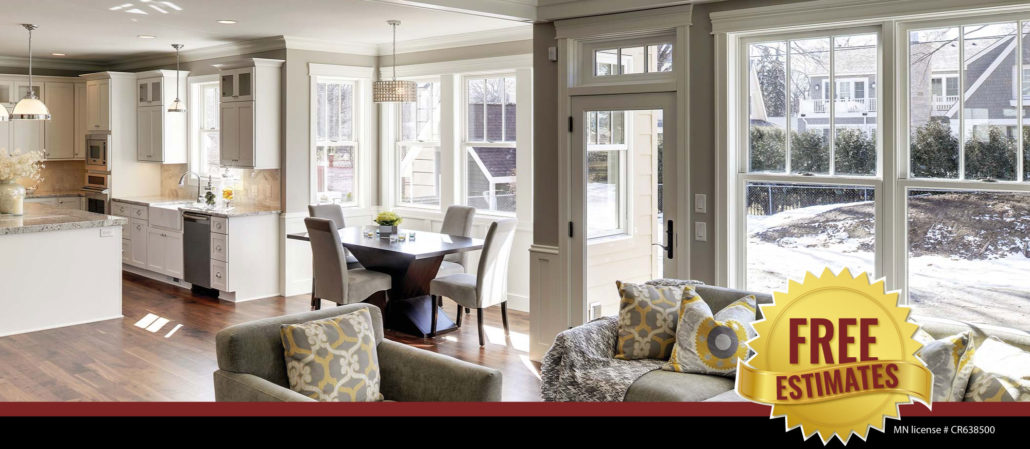
Highlight Summary: Choosing the right Window Styles for Your Home is about more than looks. This guide breaks down popular window types, where each one works best, and what to consider for airflow, energy performance, privacy, and maintenance—so you can feel confident before you invest.
When you start comparing Window Styles for Your Home, it helps to think room-by-room. Your kitchen needs ventilation. Your living room needs light. Your bedroom needs privacy and comfort. The “best” window style is the one that matches how you live.
If you’re planning a window update, explore the Windows page to see options and learn what to expect. You can also visit the 1st Choice Remodeling home page or request a quote through our contact page.
How to Choose a Window Style Without Overthinking It
Before you compare brands or finishes, focus on function. This keeps your choice practical.
- Ventilation: Do you want strong airflow or a fixed view?
- Ease of cleaning: Can you clean from inside?
- Energy performance: Glass packages and installation matter.
- Operation: Do you want easy open-and-close with one hand?
- Privacy and security: Think about ground-level rooms.
- Architecture: Match your home’s style and proportions.
For a helpful overview of window operation types and their common uses, ENERGY STAR provides guidance on choosing energy-efficient windows and what to look for in performance ratings:
ENERGY STAR: Windows, Doors & Skylights.
Quick Guide: Common Window Styles and Best Rooms
Use this list as a starting point. Your final choice should fit your layout and comfort goals.
- Double-hung: Great for bedrooms, living rooms, and many traditional homes.
- Single-hung: Similar look to double-hung with a simpler operation.
- Casement: Excellent for ventilation and tight seals, especially in kitchens.
- Awning: Good for bathrooms and basements, even in light rain.
- Sliding: Works well in wide openings, often used in modern spaces.
- Picture (fixed): Best for views and daylight where ventilation isn’t needed.
- Bay and bow: Adds space, light, and curb appeal in living and dining rooms.
- Garden window: Popular above kitchen sinks for extra light and shelf space.
- Transom: Adds light above doors or in hallways while preserving privacy.
- Skylights: Brings daylight into darker rooms like baths, stairs, and hallways.
Window Styles for Your Home: Double-Hung and Single-Hung
Double-hung windows have two operable sashes. That gives you flexible airflow. They fit many home styles and feel familiar to most homeowners.
Where they work best
- Bedrooms where you want adjustable ventilation.
- Living rooms for a classic, balanced look.
- Second-floor rooms where tilt features can help cleaning.
Pros
- Versatile style that fits many homes.
- Good ventilation options.
- Often available with easy-clean features.
Cons
- Some designs may not seal as tightly as casement windows.
- Quality varies widely across manufacturers.
If you want to compare performance labels and understand U-factors and SHGC ratings, the National Fenestration Rating Council (NFRC) explains what window labels mean:
NFRC: Understanding Window Ratings.
Casement Windows
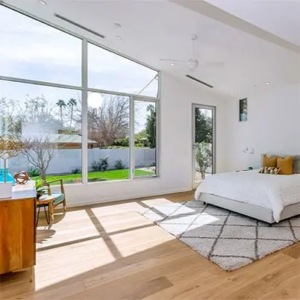
Casement windows crank open outward. They often seal tightly when closed. They can capture breezes well because the sash acts like a small funnel.
Where they work best
- Kitchens, especially over sinks where you want easy operation.
- Hard-to-reach places like above counters or tubs.
- Spaces where you want strong airflow.
Pros
- Excellent ventilation control.
- Often strong air-tight performance when closed.
- Works well for modern and transitional styles.
Cons
- Exterior cranks and hardware need occasional maintenance.
- Outward swing can conflict with walkways or decks in tight spaces.
Awning Windows

Awning windows hinge at the top and open outward. They can be a smart choice when you want ventilation without opening the window wide to the outdoors.
Where they work best
- Bathrooms for privacy and ventilation.
- Basements where you want airflow and security.
- Paired above picture windows for a clean, modern look.
Sliding Windows
Sliding windows move side-to-side. They work well in wide openings. Many homeowners like the simple operation.
Where they work best
- Modern living rooms with wide wall spaces.
- Basements where you want a low-profile window.
- Rooms where you prefer a simple open-and-close motion.
Practical note
Keep tracks clean for smooth operation. Dirt buildup causes sticking over time.
Picture Windows
Picture windows do not open. They exist for views and daylight. They often look best centered on a focal wall.
Where they work best
- Living rooms with a scenic view.
- Stair landings to brighten a vertical space.
- Any room where ventilation is already handled elsewhere.
Pro tip
Pair a picture window with operable windows on each side. You’ll get light and ventilation together.
Bay and Bow Windows
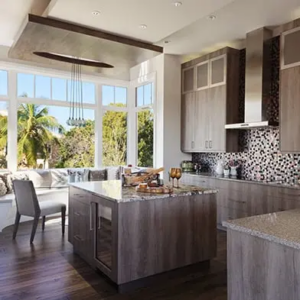
Bay and bow windows extend outward from the wall. They can add seating space, depth, and curb appeal. They also change how the room feels, often in a good way.
Where they work best
- Front living rooms to create a brighter gathering area.
- Dining rooms for added light and a more open feel.
- Bedrooms when you want a cozy reading nook.
Planning note
These windows involve structure and trim details. Proper installation matters. A well-built bay looks seamless. A rushed one looks like an add-on.
Garden Windows
Garden windows are like a mini bay. They typically sit above the kitchen sink. Homeowners love them for plant space and daylight.
Where they work best
- Kitchens, especially above sinks.
- Areas where you want a little extra shelf space.
Transom Windows
Transom windows sit above doors or larger windows. They add light while preserving privacy. They can also make ceilings feel taller.
Where they work best
- Above front doors to brighten entryways.
- Hallways where wall space is limited.
- Bathrooms when you want light without sacrificing privacy.
Skylights and Roof Windows

Skylights can transform dark spaces. They bring daylight from above. They also require precise flashing and a solid roof system.
The International Association of Certified Home Inspectors provides a practical overview of skylight considerations and common installation pitfalls:
InterNACHI: Skylight Basics.
Unique Tips Homeowners Appreciate After the Install
1) Match window style to your daily habits
If you cook often, prioritize ventilation. A casement near the range can help. If you love the view, add a picture window in the main living area.
2) Don’t ignore window placement
The same window can feel different based on height and room layout. Proper placement improves natural light and furniture flexibility.
3) Choose glass for comfort, not just efficiency
Energy ratings matter. Comfort matters too. The right glass can reduce drafts, glare, and fading.
4) Installation quality drives results
Even a premium window can underperform if it’s installed poorly. Air sealing, flashing, and trim details matter.
If you’re exploring replacements, start here:
Learn about our window services.
For questions, reach out here:
Contact 1st Choice Remodeling.
Customer Review
Kyle (5-Star Google Review): Brett was outstanding. No pressure appointment which we really appreciated. He gave us options came to our home a few times to triple check measurements and go over trim and color options with the installer. The install crew actually found warranty issues with a couple windows and took care of it all without us asking. Great service all around and excellent pricing. We got Andersen series 100 windows for less than one other quote for off brand vinyl. Give them a chance before settling for some lesser product.
FAQ: Styles of Windows For Your Home (And Where to Use Them)

What window style is best for energy efficiency?
Energy efficiency depends on the entire window system, including the frame, glass, and installation. Casement windows often seal tightly, but the best choice also depends on your climate and glass package.
Which window style is easiest to clean?
Many double-hung windows offer tilt-in sashes for easy cleaning. Casement windows can also be easy to clean from inside depending on placement and screen design.
What window style gives the most ventilation?
Casement windows can provide strong airflow because they open fully. Double-hung windows also offer flexible ventilation by opening the top or bottom sash.
Are picture windows a good idea if they don’t open?
Yes, when the goal is light and a clean view. Pair them with operable windows nearby to maintain ventilation.
What windows work best in bathrooms?
Awning windows are popular because they provide ventilation and can help maintain privacy. Frosted or obscured glass is also common in bathrooms.
Ready to Find the Right Window Style?
If you’re ready to compare window options for your home, we’re here to help. We’ll walk through style, function, and fit. We’ll also explain what the install will involve. Visit our Windows page, browse the Home page, or request an estimate through our Contact page.

Publish Date: March 2026


