Tag Archive for: Energy Efficient siding

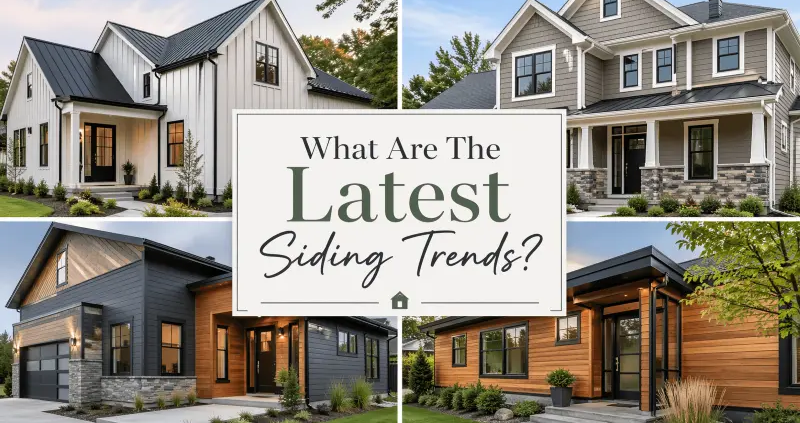
1st Choice Remodeling Latest Trends in siding

Latest Siding Trends continue to shape how homeowners improve curb appeal, durability, and energy efficiency. Staying current with siding options helps you make smarter remodeling decisions that add both beauty and long-term value.

  • Latest Siding Trends focus on durability, energy efficiency, and modern aesthetics.
  • Mixed materials are becoming more popular for creating unique home exteriors.
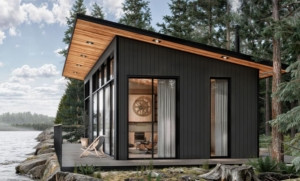
  • Darker siding colors are trending for bold, contemporary curb appeal.
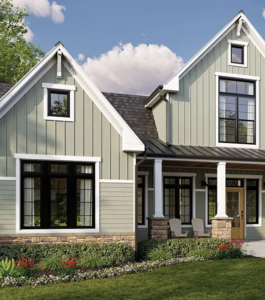
  • Vertical siding is gaining attention as a modern alternative to traditional styles.
  • Low-maintenance materials are a top priority for today’s homeowners.

Understanding Latest Siding Trends helps homeowners make confident decisions when upgrading their home’s exterior. Today’s siding options go beyond simple protection. They combine performance, style, and long-term value. As a result, choosing the right siding can significantly impact both appearance and efficiency.

Why Siding Trends Matter for Homeowners

Siding is one of the most visible parts of your home. Therefore, it plays a major role in curb appeal. However, siding also protects your home from moisture, wind, and temperature changes. Because of that, modern trends focus on both form and function.

Additionally, newer materials offer improved insulation and lower maintenance. This means homeowners can enjoy better performance without constant upkeep. Over time, that leads to cost savings and increased home value.

Popular Materials in Today’s Market

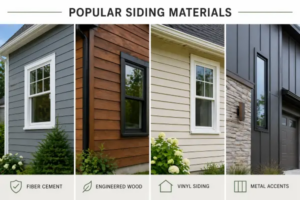
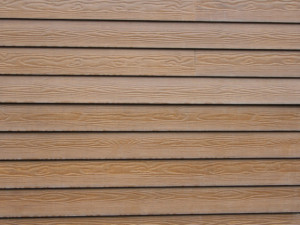
Popular Siding Materials- 1st Choice Remodeling

Material selection is one of the biggest drivers behind siding trends. Homeowners want products that last longer and require less maintenance.

Some of the most popular materials include:

  • Fiber Cement – Known for durability, fire resistance, and wood-like appearance.
  • Engineered Wood – Offers a natural look with improved resistance to moisture and pests.
  • Vinyl Siding – Affordable, versatile, and easy to maintain.
  • Metal Accents – Used in modern designs for a sleek and contemporary finish.

Each material offers unique benefits. Therefore, the best choice depends on your home’s style, budget, and long-term goals.

Color Trends That Are Transforming Exteriors

Siding Color Trends Transforming Exteriors - 1st Choice remodeling

Color plays a major role in today’s siding designs. Neutral tones still dominate, but darker shades are quickly gaining popularity.

Current trending colors include:

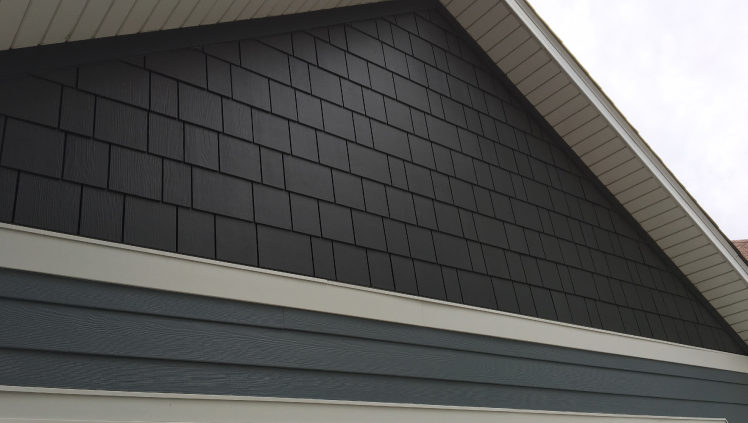
  • Deep charcoal and black for a bold, modern look
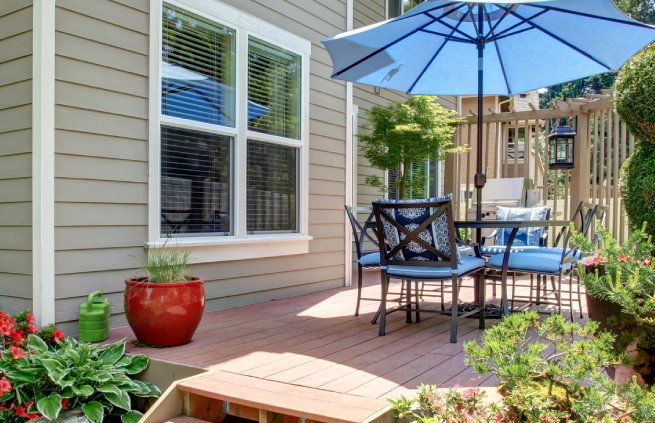
  • Warm earth tones like clay, tan, and olive
  • Soft grays and off-whites for a clean, timeless appearance
  • Contrasting trim colors to highlight architectural details

While darker colors look striking, they may absorb more heat. Therefore, proper insulation and material choice become even more important.

Latest Siding Trends in Design and Layout

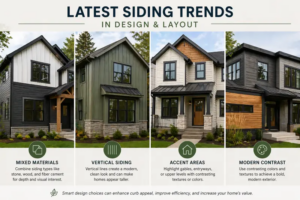
Latest Siding Trends in Design and Layout

Latest Siding Trends are not only about materials and colors. They also focus heavily on layout and design combinations.

One major trend is mixing materials. For example, homeowners combine horizontal siding with stone or vertical panels. This creates depth and visual interest. Additionally, vertical siding is becoming more popular as a modern alternative to traditional horizontal styles.

Another growing trend is using siding to highlight specific areas of the home. Entryways, gables, and upper levels often feature contrasting textures or colors. As a result, the home feels more customized and architecturally unique.

Low-Maintenance and Energy Efficiency Benefits

Modern siding trends strongly emphasize low maintenance. Homeowners want materials that resist fading, cracking, and weather damage.

At the same time, energy efficiency is a major priority. Insulated siding options help regulate indoor temperatures. Consequently, this can lower heating and cooling costs throughout the year.

For more information about energy-efficient home improvements, visit the

U.S. Department of Energy insulation resource
.

How to Choose the Right Siding for Your Home

Choosing the right siding involves more than following trends. It requires balancing style, performance, and budget.

Consider the following when making your decision:

  • Your home’s architectural style
  • Local weather conditions in Minnesota
  • Maintenance preferences
  • Long-term investment value
  • Energy efficiency goals

Working with experienced professionals can help you evaluate these factors. At
1st Choice Remodeling, we guide homeowners through every step of the siding selection process.

Upgrade Your Home with Confidence

Following Latest Siding Trends can help you create a modern, durable, and efficient home exterior. However, the best results come from combining trends with practical decision-making.

If you are ready to update your siding,
contact 1st Choice Remodeling today. Our team will help you choose the right materials and design for your home.

For more remodeling ideas and expert insights, visit our
Blog Page.

Get Started on Your Siding Project Today

New siding can transform your home’s appearance while improving protection and efficiency. Take the next step today and schedule your consultation with a trusted local expert.

1st Choice Remodeling logo

Authored by 1st Choice Remodeling | Published May 2026

hail damaged siding

Siding Repair After Hail Damage helps protect your home from moisture intrusion, insulation loss, and worsening exterior wear. After a hailstorm, even small cracks or dents can lead to larger problems if they are ignored.

  • Siding Repair After Hail Damage should begin with a professional inspection of all exposed sides of the home.
  • Hail can crack vinyl, chip fiber cement, dent metal, and loosen seams without causing immediate leaks.
  • Early repairs help prevent moisture damage, mold growth, and reduced energy efficiency.
  • Some homes need only targeted siding repairs, while others benefit more from full replacement.
  • Color fading, discontinued products, and widespread impact marks often influence the repair-versus-replace decision.
  • Professional documentation also helps homeowners understand the full scope of storm-related exterior damage.

Frequently Asked Questions

FAQ's

How do I know if my siding has hail damage?

Look for cracks, chips, dents, holes, loose panels, or impact marks. Hail damage may also show up as broken seams or exposed material beneath the surface.

Can hail damage siding without causing obvious holes?

Yes. Hail can weaken siding panels, loosen connections, or create small fractures that worsen over time. Damage does not need to be dramatic to become a problem later.

Is repair enough, or do I need full siding replacement?

That depends on the age of the siding, the extent of the damage, and whether matching materials are still available. Small isolated damage may be repaired, but widespread damage often makes replacement the better long-term option.

What types of siding are commonly damaged by hail?

Vinyl siding often cracks or breaks. Fiber cement may chip. Aluminum or steel siding may dent. Wood siding can also split or lose protective finish after impact.

Should I wait if the siding still looks mostly okay?

No. Small damage can allow water behind the siding. That can affect insulation, wall sheathing, and interior spaces over time. Prompt inspections help prevent bigger repairs later.

Why is professional inspection important after a hailstorm?

Professionals can identify subtle storm damage that homeowners may miss. They also evaluate trim, soffits, fascia, flashing, and other exterior elements that may have been affected.

When a storm moves through Ramsey, siding often takes more damage than homeowners first realize. Siding Repair After Hail Damage is important because the exterior shell of the home does more than create curb appeal. It also protects the structure from moisture, wind, temperature shifts, and long-term wear. Once hail compromises that protective layer, small issues can quickly become larger and more expensive ones.

Hail damage does not always leave dramatic holes or missing sections. In many cases, it creates cracks, dents, chips, or stress points that weaken the siding system. As a result, water can begin working its way behind the panels. Over time, that can damage insulation, house wrap, wall sheathing, and even interior finishes. Therefore, quick action matters.

What Hail Damage Can Do to Different Types of Siding

Different siding materials respond to hail in different ways. That is why professional inspection is so important. The signs are not always the same from one home to another.

Vinyl siding often develops cracks, punctures, or brittle breaks after hail impact. This is especially common on older siding that has already been exposed to years of sun and temperature swings. Fiber cement siding is more durable, yet hail can still chip the surface or damage edges and corners. Metal siding may resist cracking, but it can show visible dents and impact marks. Wood siding can split, scar, or lose painted protection after repeated storm exposure.

Additionally, damage may show up around trim, corners, soffits, and window lines before it becomes obvious across the main wall sections. Because of that, a careful inspection should cover the full exterior rather than only the areas visible from the street.

Why Small Siding Damage Should Not Be Ignored

Siding Repair

It is easy to dismiss minor exterior damage after a storm. However, small cracks and chips can create bigger issues later. Moisture is usually the biggest concern. Once water gets behind damaged siding, it can sit against the home and cause hidden deterioration.

That can lead to several problems, including:

  • Water intrusion behind siding panels
  • Softening or rot in wall sheathing
  • Mold and mildew growth
  • Reduced insulation performance
  • Higher heating and cooling costs
  • More costly future repairs

In addition, damaged siding can make the entire home look worn and poorly maintained. Even if the structural issue remains limited, the visual effect can reduce curb appeal and perceived value.

When Siding Repair Makes Sense

Repair is often the right solution when damage is limited and the rest of the siding remains in good condition. For example, one elevation of the home may take the brunt of a hailstorm while the other sides remain largely unaffected. In that case, replacing only the damaged sections may be practical.

Repair tends to work best when:

  • Damage is isolated to a smaller area
  • The siding is still structurally sound overall
  • Matching color and profile are still available
  • The home has no hidden moisture issues beneath the surface
  • The storm did not affect multiple elevations heavily

Targeted repairs can restore protection and appearance without requiring a full exterior update. However, matching is often a major factor. Even when the same product line still exists, sun exposure may have faded the original siding. That can make new sections stand out more than expected.

When Replacement Is the Better Choice

Siding-Types

Sometimes replacement offers better value than repair. If hail has damaged several sides of the home, or if the siding is already aging, full replacement may be the smarter investment. It can create a more uniform look, improve weather resistance, and eliminate patchwork results.

Replacement is often the better option when:

  • Damage appears across large areas of the home
  • The existing siding is older or brittle
  • Matching panels are no longer available
  • Previous repairs have already created uneven appearance
  • Moisture has affected materials behind the siding

Full replacement also gives homeowners a chance to update the home’s style. New siding colors, trim combinations, and material profiles can completely refresh the exterior. Consequently, the storm repair process can become an opportunity for a broader curb appeal upgrade.

How Hail Damage Affects Energy Efficiency

Siding trim protection

Siding does more than cover the outside of the house. It works with the wall system to help reduce drafts and protect insulation. When panels loosen, crack, or separate, they allow more outdoor air and moisture to interfere with the building envelope.

That means damaged siding can contribute to energy loss. In Minnesota, where homes face both hot summers and freezing winters, maintaining a tight exterior matters. Therefore, prompt repairs or replacement can help preserve comfort inside the home while supporting better efficiency year-round.

Curb Appeal and Long-Term Value

Storm damage affects appearance as well as performance. Cracked or dented siding can make an otherwise beautiful home look neglected. This is especially true when the damage appears on the front elevation, near entryways, or around windows. Because siding covers so much of the home’s visible exterior, even modest damage can make a big visual impact.

New or restored siding improves:

  • Overall curb appeal
  • Exterior color consistency
  • Clean, finished appearance
  • Buyer perception and resale value
  • Confidence in the home’s condition

For many homeowners, siding work is not only about repairing storm damage. It is also about restoring pride in the appearance of the home.

Cost Considerations for Repair or Replacement

Costs vary based on material type, home size, height, accessibility, and the extent of the damage. Repair usually costs less upfront than replacement. Still, replacement may offer better long-term value when damage is widespread or matching materials are hard to find.

Common factors that affect cost include:

  • The number of impacted walls or sections
  • The siding material and profile
  • The age and condition of the current siding
  • The need for trim, soffit, or fascia work
  • Whether moisture damage exists underneath

That is why an inspection matters so much. A lower upfront repair cost may not be the best choice if hidden damage remains or if the finished appearance becomes inconsistent. On the other hand, targeted repair can be very effective when the damage is limited and the siding is still in strong condition.

Why Professional Evaluation Matters After a Hailstorm

Insurance Claim Process

Storm damage can be easy to underestimate. A professional contractor looks beyond the obvious dents or cracks. They also assess seams, moisture exposure, trim pieces, and the condition of underlying materials. As a result, homeowners get a clearer picture of what needs attention now and what might become a problem later.

Professional documentation also helps organize the project scope. That makes it easier to understand whether repair or replacement provides the best protection, appearance, and value for the home.

If you want to see examples of finished exterior work, visit the 1st Choice Remodeling Portfolio Page. For more remodeling insights and seasonal tips, explore the Blog Page.

For additional homeowner information about storm recovery and exterior protection, the U.S. Department of Housing and Urban Development offers reputable home improvement guidance.

Take the Next Step After Hail Damage

When hail damages your siding, waiting can lead to more expensive problems. Cracks, chips, and loose sections can allow moisture in and reduce the protection your home depends on every day. A timely inspection helps you understand the condition of your siding and choose the right next step.

If your home may need professional exterior repairs after a storm, now is the time to act. Contact 1st Choice Remodeling to schedule an evaluation and learn whether siding repair or full replacement is the best fit for your home.

1st Choice Remodeling logo

Published April 2026

Siding-Types

Highlight Summary: If you’re researching Types of Home Siding, this guide compares the most common options in plain English. You’ll see practical pros and cons, what matters most in a harsh climate, and how to choose a siding that fits your home, budget, and maintenance style.

Choosing Types of Home Siding can feel overwhelming at first. Every material has tradeoffs. The “best” choice depends on your goals, your neighborhood, and how much maintenance you want long term.

At 1st Choice Remodeling, we help homeowners compare siding options with real-world priorities. That includes durability, moisture management, curb appeal, and total cost of ownership. If you want help narrowing it down, visit our Siding page or reach out through our Contact page.

How to Compare Siding Like a Pro

siding colors

Forget “what’s most popular.” Ask questions that protect your investment.

  • Weather exposure: wind, freeze-thaw cycles, hail, sun.
  • Moisture control: flashing details, drainage, and drying ability matter.
  • Maintenance tolerance: do you want to paint, wash, or mostly ignore it?
  • Budget reality: compare installed cost, not just material cost.
  • Style match: some sidings fit specific architecture better.

Moisture is one of the biggest long-term threats to exterior walls. Good design and installation details reduce rot and mold risk. The U.S. EPA’s moisture control guidance is a strong reference if you want to go deeper:
EPA Moisture Control Guidance.

Quick Comparison Table: Pros and Cons

This table covers the most common siding choices homeowners compare.

Material Best For Pros Cons
Vinyl Budget + low maintenance Affordable, low upkeep, many styles Can crack in extreme cold, impact can show, insulation varies
Insulated Vinyl Comfort + efficiency upgrades Added rigidity, improved energy performance Higher cost than standard vinyl, detailing still matters
Fiber Cement Durability + fire resistance Strong, stable, paint holds well, pest resistant Heavier, more labor, needs correct clearances and flashing
Engineered Wood Wood look with modern performance Great curb appeal, lighter than fiber cement Requires correct sealing at cuts and edges, moisture detailing matters
Steel Impact resistance + clean lines Durable, fire resistant, modern look Can dent, finish can scratch, needs careful trim and flashing
Natural Wood Classic architecture + natural texture Beautiful, repairable, timeless Regular staining/painting, higher upkeep, decay risk if wet
Stucco Specific styles + seamless appearance Distinct look, can add depth and texture Cracking risk, moisture issues if installed poorly
Brick Veneer Premium curb appeal Classic look, long life, low maintenance Higher cost, needs proper drainage plane and weeps

Types of Home Siding: Vinyl (Standard and Insulated)

Mastic Everplank True to wood look - Scottish thistle (color)

Vinyl is popular because it balances cost, appearance, and low maintenance. Many homeowners like that it does not require painting. Cleaning is usually simple, too.

If you want a deeper technical overview, the Vinyl Siding Institute provides educational materials and care guidance:
Vinyl Siding Cleaning & Maintenance.

Vinyl Pros

  • Typically cost-effective.
  • Low maintenance for most homeowners.
  • Many colors, profiles, and textures.

Vinyl Cons

  • Impact can crack panels, especially in very cold conditions.
  • Cheaper products can look thin or “wavy” after years.
  • Air sealing and insulation depend on the wall system, not just the siding.

Insulated vinyl adds foam backing. That can improve rigidity and comfort. It can also help with minor wall imperfections. The Building America program has a useful overview on selecting siding for moisture, impact, and pest resistance:
PNNL Building America: Exterior Siding Selection Guide.

Fiber Cement Siding

Fiber cement is a strong option for homeowners who want a durable, stable exterior. It often fits well on traditional homes and modern designs. It can also perform well in tough weather when installed correctly.

Fiber Cement Pros

  • Durable and dimensionally stable.
  • Resists many pest issues.
  • Often valued for fire performance compared to some other claddings.

Fiber Cement Cons

  • Heavier material can increase labor costs.
  • Requires correct cut-edge sealing and clearance details.
  • Good flashing and water management are non-negotiable.

Many manufacturers publish performance information and installation requirements. Always follow the specific product instructions for clearances and flashing details.

Engineered Wood Siding

Highmark Engineered Wood Siding Planks

Engineered wood aims to deliver the warm look of wood with modern manufacturing benefits. Many homeowners like its curb appeal and lighter weight.

Engineered Wood Pros

  • Authentic wood-like appearance.
  • Lighter than fiber cement.
  • Often installs efficiently with the right system.

Engineered Wood Cons

  • Edges and cuts must be protected per manufacturer requirements.
  • Water management details still drive long-term success.

Wood-based exteriors perform best when you keep them dry and well-coated. The USDA Forest Service has extensive research on wood durability and decay prevention:
USDA Forest Service: Wood Durability & Protection.

Steel Siding

Edco steel siding

Steel siding can be a great fit when you want clean lines and strong impact resistance. It is also attractive for homeowners who value fire resistance.

Steel Pros

  • Durable finish options, depending on product quality.
  • Can handle many weather conditions well.
  • Modern look with crisp details.

Steel Cons

  • Dents can happen with strong impacts.
  • Scratches should be addressed quickly to protect the finish.
  • Trim, flashing, and fastening details matter a lot.

Natural Wood Siding

Natural Wood Plank siding

Wood siding has a classic look that many homeowners still love. It can also be repaired in sections. That can be helpful over time.

Wood Pros

  • Natural beauty and timeless character.
  • Many styles: lap, shakes, board-and-batten.
  • Often easy to spot-repair when damage is localized.

Wood Cons

  • Requires ongoing painting or staining.
  • Decay risk rises when moisture stays trapped.
  • Needs careful detailing near roofs, decks, and grade.

If you like wood, prioritize drainage and drying. Use smart construction details and keep coatings maintained. Moisture control is not optional for long-term performance:
EPA Moisture Control Guidance (PDF).

Stucco and Brick Veneer

Stucco and brick veneer can look amazing, but details drive outcomes. These options often require skilled installation and strong moisture management behind the exterior finish.

  • Stucco: Great look. Higher risk if water gets trapped.
  • Brick veneer: Classic and long-lasting. Needs proper drainage and weep details.

Unique, Helpful Tips Homeowners Often Miss

1) Installation details matter as much as the material

Even premium siding can fail with poor flashing. Water finds weak spots fast. Pay special attention near windows, doors, roof lines, and deck ledgers.

2) Plan for “hidden” costs

Old siding removal, sheathing repairs, and wood rot fixes can change the scope. A good contractor explains these possibilities early.

3) Consider your maintenance personality

Some homeowners enjoy repainting and upkeep. Others want “wash it and move on.” Your preference should drive the shortlist.

4) Match the siding to the home’s style

Board-and-batten looks great on modern farmhouses. Smooth lap can fit many styles. Shakes can elevate gables and accents.

If you want a professional recommendation, start here:
Explore our siding services
or contact us for an on-site evaluation:
Request a quote.

Customer Review

Jon (5-Star Google Review): Our experience with Brett and his crew was great. We had our house re-sided last summer and are super happy with the results. The crew was friendly and considerate of when they were working as well as cleaning up. Brett was super helpful all the way from the initial quote to final walk around and kept us in the loop on schedule and execution. They were also able to quickly and affordably fix a wood rot issue that was found. We will definitely be calling Brett for our next project.

FAQ: Common Questions About Types of Home Siding

FAQ's

What are the most common siding materials for homes?

Many homeowners choose vinyl, fiber cement, engineered wood, steel, natural wood, stucco, or brick veneer. Your climate and maintenance preferences usually narrow the best options.

Which siding lasts the longest?

Longevity depends on material quality and installation. Moisture control details often matter more than the label on the box.

What is the most low-maintenance type of siding?

Vinyl and many steel systems are considered low maintenance. You still need periodic cleaning and inspections around flashing and joints.

What siding is best for harsh weather and storms?

Impact resistance varies by product and profile. Many homeowners compare steel, fiber cement, and certain premium vinyl options for storm-prone areas.

How do I know if I need new siding or just repairs?

Look for widespread cracking, warping, soft spots, moisture damage, or repeated paint failure. A siding inspection can confirm whether repair or replacement makes more sense.

Ready to Compare Options for Your Home?

If you want help choosing siding that fits your home and budget, we can walk you through the options. We’ll explain pros, cons, and what the installation will involve. Start with our Siding page, browse more on the Home page, or reach out directly through our Contact page.

1st Choice Remodeling logo

Publish Date: March 2026
Authored by: Jacqueline McGreevey


Home Exterior Remodeling Deck, Siding Windows and Roof

Summary: A smart Planning Home Exterior Remodel approach helps you control costs, avoid delays, and protect your home’s envelope.
This guide explains what to plan, when to start, and how to sequence roofing, siding, windows, and decks for spring.

Spring is a popular season for exterior work in Minnesota.
Your schedule fills fast.
Planning early keeps your project calm and predictable.

When you focus on Planning Home Exterior Remodel details first, you reduce surprises later.
You also make better material and design choices.
That matters for curb appeal and durability.

Want to explore options now?
Review services here:
Exterior Remodeling Services.
When you are ready, reach out here:
Contact 1st Choice Remodeling.

Why spring planning matters in Minnesota

  • Weather windows are tight after winter.
  • Material lead times can shift fast.
  • Permit needs vary by city and scope.
  • Exterior systems should work together as one envelope.

In places like Coon Rapids, freeze-thaw cycles stress siding, trim, and flashing.
Wind events test roofs and soffits.
Planning helps you address weak points first.

Benefits of planning a home exterior remodel

Replacing a residential roof

1) Better budget control

Planning turns “ideas” into line items.
You can separate needs from wants.
You can also set a realistic contingency.

2) Smarter project sequencing

Exterior projects overlap.
Roofing affects ventilation and flashing.
Siding affects water management and trim.
Windows affect air sealing and interior comfort.

3) Fewer change orders

Most cost overruns start with late decisions.
Planning locks your scope before install day.
That reduces rework and delays.

4) Stronger curb appeal decisions

Color, texture, and profile should align.
You get a cleaner look when selections match.
Planning gives you time to compare samples.

5) Cleaner communication

Clear expectations reduce stress.
You know who to contact and when.
You also know what “done” looks like.

For homeowner planning tips, see this consumer guide from NAHB:

10 Tips for a Smooth Home Remodel
.

A practical spring planning checklist

Window Portfolio windows- before update

Step 1: Inspect your exterior like a pro

  • Look for missing shingles, soft spots, and flashing gaps.
  • Check siding for swelling, cracks, and loose panels.
  • Test windows for drafts, fogging, and sticking sashes.
  • Scan caulk lines at penetrations and trim transitions.

Step 2: Define your “must fix” list

Start with water control and air sealing.
Those protect structure and insulation.
Cosmetic upgrades come after performance needs.

Step 3: Choose materials with Minnesota durability in mind

Ask about impact resistance, warranty coverage, and maintenance needs.
Compare how products handle moisture and sun exposure.
Confirm recommended installation details for your wall system.

Step 4: Decide what to bundle

Bundling can reduce labor duplication.
It can also reduce disruption.
Common bundles include windows plus siding.
Another bundle is roofing plus ventilation improvements.

Step 5: Lock scope, timeline, and site plan

  • Confirm start date ranges and daily work hours.
  • Plan dumpster placement and driveway access.
  • Protect landscaping and outdoor furniture.
  • Identify power needs and bathroom access.

Step 6: Confirm permits and inspections

Permits depend on project type and city requirements.
Ask early, not mid-project.
Your contractor should guide this process.

Step 7: Build a communication routine

Agree on update frequency.
Decide how change requests get approved.
Put selections and specs in writing.

5-star homeowner Google review

Patrick J. (★★★★★)

We had 1st Choice replace our windows with Andersen windows and our siding with LP Smartside.
His team did excellent work and were great folks to work with.
We love our new windows and the siding looks fantastic.
The communication with Brett & the site teams was excellent, and we definitely recommend.

FAQ: Planning your spring exterior remodel

FAQ's

When should I start planning a spring exterior remodel?

Start planning in late winter.
That gives you time for inspections and selections.
It also improves your chance of getting your preferred start date.

How long do materials usually take to arrive?

Lead times vary by product and color.
Specialty items can take longer.
Your contractor should confirm timing before you sign.

Should I replace windows before siding?

Often, yes.
Window installation affects trim and water management.
New siding can then tie into new flashing details.

Should I do roofing and siding together?

Sometimes.
It helps when flashing, fascia, or ventilation needs upgrades.
Bundling can also reduce mobilization costs.

How do I set a realistic budget?

List your goals and priority repairs first.
Ask for a written scope with allowances defined.
Add a contingency for hidden damage behind siding.

Do I need permits in Coon Rapids for exterior work?

It depends on the project and local rules.
Roofing, windows, and structural deck work often trigger permits.
Ask your contractor to confirm requirements before scheduling.

What questions should I ask a contractor during planning?

Ask about licensing and insurance.
Ask about workmanship warranties.
Ask who manages the site daily.
Ask how change orders are priced and approved.

How can I reduce disruption during the project?

Move vehicles and clear work zones daily.
Protect valuables near windows.
Plan for noise and brief access limits.
Keep pets secured during active work hours.

What should I do to protect landscaping?

Mark sprinkler heads and delicate plants.
Move planters away from walls.
Identify where materials can be staged safely.
Ask about plywood paths for heavy traffic areas.

How do I choose colors that will still look good in five years?

Start with roof and fixed stone tones.
Choose siding colors that match your neighborhood style.
Use accent colors on doors and shutters for flexibility later.

Next step: Plan now for spring. Visit our services page to compare options.

Then contact 1st Choice Remodeling to schedule an exterior remodeling consultation.

1st Choice Remodeling logoPublished February 2026


New Siding

Need siding installation Twin Cities MN homeowners can rely on? In Minnesota, siding is not just a design choice—it is a protective system. In this guide, we break down popular siding options we install, including LP SmartSide engineered wood siding with Diamond Kote finish, EDCO steel siding, Mastic vinyl siding, and James Hardie cement board siding, plus what matters most in the installation process.

Why Siding Quality Depends on Installation (Not Just the Product)

Even the best siding can underperform when installed incorrectly. Proper siding installation protects your home from:

  • Moisture intrusion that can lead to rot, mold, and structural damage
  • Air leakage that reduces comfort and increases heating costs
  • Premature warping or failure from improper fastening and expansion gaps
  • Hidden issues that remain unaddressed beneath old materials

At 1st Choice Remodeling, our team focuses on a clean, consistent installation process—because performance is built into the details.

Explore our siding service page: https://www.1stchoicmn.com/siding/

Preferred Siding Options We Install (And Why Homeowners Choose Them)

LP SmartSide Engineered Wood Siding with Diamond Kote Finish

Lp Smartside diamond kote before and after

LP SmartSide gives homeowners the warmth and character of traditional wood, but with engineered durability designed to resist common exterior threats. When paired with Diamond Kote finish, it delivers a premium look with color longevity—making it a strong option for homeowners who want curb appeal without constant upkeep.

  • Authentic wood-grain style with engineered strength
  • Excellent fit for many Minnesota home styles
  • Diamond Kote finish engineered for long-term color performance

EDCO Steel Siding

Steel Siding

If you want a sleek, modern look with high durability, EDCO steel siding is a serious contender. Steel siding is known for resisting fading, chipping, and cracking, and it provides strong protection against harsh weather and seasonal temperature swings.

  • Strong impact resistance and long-term durability
  • Clean, contemporary curb appeal
  • Low-maintenance performance for busy homeowners

Mastic Vinyl Siding

Vinyl Siding

Mastic vinyl siding remains one of the most popular exterior upgrades due to its value, versatility, and minimal maintenance requirements. It offers a wide range of colors and styles, and it can dramatically update the look of your home while keeping ownership costs predictable.

  • Budget-friendly exterior transformation
  • Low-maintenance finish
  • Versatile styles to match many home designs

James Hardie Cement Board Siding

James Hardie-Color samples

James Hardie cement board siding is often selected by homeowners who want a classic, high-end appearance with exceptional durability. Fiber cement is built to stand up to fire concerns, pests, and challenging weather conditions—while maintaining a refined, timeless look.

  • Durable and stable in fluctuating climates
  • Low-maintenance, refined curb appeal
  • Strong resistance to common exterior threats

What a Professional Siding Installation Should Include

When you invest in new siding, the goal is simple: it should look great and protect your home for years. A professional siding installation should include:

  1. Inspection of existing exterior conditions (including hidden damage revealed during tear-off)
  2. Moisture management strategy (house wrap, flashing, and water control details)
  3. Clean transitions around windows, doors, rooflines, and penetrations
  4. Correct fastening patterns for the specific siding system
  5. Finish consistency (straight courses, tight corners, crisp trim lines)

In many homes, siding replacement is also the best time to address exterior issues without disrupting interior spaces—especially when structural repairs can be completed from the outside.

Which Siding Is Right for Your Home?

The best material depends on your goals:

  • Want warmth and wood character with durability? Consider LP SmartSide with Diamond Kote finish.
  • Want maximum strength and a modern look? EDCO steel siding is a great option.
  • Want cost-effective, low-maintenance versatility? Mastic vinyl siding may be the right fit.
  • Want timeless curb appeal with robust durability? James Hardie cement board is a premium choice.

If you are not sure, we can walk you through real-world pros/cons based on your home, exposure, and style goals.

Schedule Your Siding Consultation

Whether you need a full replacement or targeted repairs, 1st Choice Remodeling provides expert guidance and professional installation throughout the Twin Cities region.

Call 763.515.6095 or request a free estimate here: https://www.1stchoicmn.com/contact-us/

For project planning, you can also review financing options: https://www.1stchoicmn.com/financing/

FAQs: Siding Installation in the Twin Cities

What is the most durable siding option?
Durability depends on your goals and exposure. Steel and fiber cement are known for strength, while engineered wood and quality vinyl can perform exceptionally well when installed correctly.
Can siding replacement uncover hidden damage?
Yes. Removing old siding often reveals areas of rot, moisture intrusion, or structural issues that can be addressed from the exterior.
Is Diamond Kote worth it?
Many homeowners choose Diamond Kote for long-term color performance and a premium finished look—especially when curb appeal is a top priority.
Is vinyl siding still a good option?
Yes. Vinyl remains popular because it is cost-effective, low maintenance, and available in many styles. Brand and installation quality matter.
How do I get an estimate?
You can request a free in-home estimate here: https://www.1stchoicmn.com/contact-us/

0% Deferred Interest Financing

1st Choice Remodeling
6451 McKinley St., Suite R, Ramsey, MN 55303
Phone: 763.515.6095 | Email: info@1stchoiceremodeling.net

1st Choice Remodeling logo

Published January 2026

Exterior Home remodel - 0% Deferred Interest Financing available

Financing for Exterior Home Remodels: Upgrade Now, Pay Over Time

Looking for 0% deferred financing exterior remodeling options? 1st Choice Remodeling offers flexible financing that can help you move forward with critical exterior upgrades—without putting your project on hold. In this guide, you’ll learn how 0% deferred interest can work, which projects it fits best, and how to apply quickly.

Why Homeowners Choose Financing for Exterior Remodeling

Exterior remodeling is not just about curb appeal. In Minnesota, your roof, siding, and windows protect your home against wind, snow load, ice, and extreme temperature swings. When repair becomes replacement—or when you want to invest in long-term efficiency—financing gives you the ability to act at the right time, not “someday.”

  • Stop small issues from becoming bigger repairs: Water intrusion and hidden rot can worsen quickly.
  • Improve energy efficiency: New windows and properly installed siding can reduce drafts and improve indoor comfort.
  • Spread out costs: Keep savings available for other priorities while completing a high-impact upgrade.
  • Stay on schedule: Avoid delaying a project because of timing or cash flow concerns.

What “0% Deferred Interest” Means (In Plain English)

With 0% deferred interest, you may have the opportunity to finance eligible exterior projects with no interest for a promotional period—as long as the terms are met. At 1st Choice Remodeling, the financing program includes 0% deferred interest for up to 24 months on qualifying projects.

Important note: “Deferred interest” is different from “no-interest installment.” The promotion can be an excellent option, but the key is understanding the promotional period and payment requirements. Your 1st Choice Remodeling representative can walk you through the details so you can choose the best plan for your situation.

Projects That Pair Well With Financing

Financing is especially helpful for projects where timing matters or where upgrades deliver lasting value. Homeowners commonly finance:

  • Roof replacement and storm restoration to protect the home envelope
  • Siding installation to improve durability, curb appeal, and maintenance needs
  • Window and entry door replacement to improve comfort and efficiency
  • Deck builds to expand outdoor living and enhance property value

When these upgrades are combined into one exterior plan, financing can also help you complete the work in a single coordinated timeline.

Financing Benefits Available Through 1st Choice Remodeling

1st Choice Remodeling offers financing structured to support real-world exterior remodeling budgets. Benefits include:

  • 0% deferred interest for up to 24 months (on qualifying plans)
  • High loan limits—up to $50,000 for larger exterior projects
  • Competitive rates and long-term loans for flexible payment options
  • Quick approvals so your project can move forward without delays

To review current financing options, visit our financing page: https://www.1stchoicmn.com/financing/

How the Process Works: From Estimate to Approval

  1. Schedule a free in-home estimate and discuss your project goals.
  2. Review your scope and budget with a clear plan for materials, timeline, and installation.
  3. Explore financing options with your representative and select a plan that fits your needs.
  4. Receive an approval decision quickly so your project can be scheduled.
  5. Start your remodel with a certified installation process and quality materials.

Ready to begin? Contact us here: https://www.1stchoicmn.com/contact-us/

Financing Is a Strategy, Not Just a Payment Method

0% Deferred Interest Financing


When used thoughtfully, financing helps you protect your home, plan upgrades around the season, and choose materials that deliver long-term performance. If you’re deciding between “repair now” and “replace right,” financing can help you choose the solution that reduces future headaches.

Call 1st Choice Remodeling at 763.515.6095 or request an estimate online to review your options.

FAQs: 0% Deferred Financing for Exterior Remodeling

How long is the 0% deferred interest period?
Eligible financing can include 0% deferred interest for up to 24 months, depending on the program and qualifications.
What projects can be financed?
Commonly financed exterior projects include roofing, siding, windows and doors, and decks.
How much can I finance?
Financing may be available up to $50,000, depending on approval and program terms.
Is the approval process slow?
No. The process is designed to be straightforward with quick decisions so projects can start without unnecessary delays.
Where do I apply or get started?
Start by requesting a free estimate and asking about current financing options: https://www.1stchoicmn.com/contact-us/

1st Choice Remodeling
6451 McKinley St., Suite R, Ramsey, MN 55303
Phone: 763.515.6095 | Email: info@1stchoiceremodeling.net

1st Choice Remodeling logo

Published January 2026

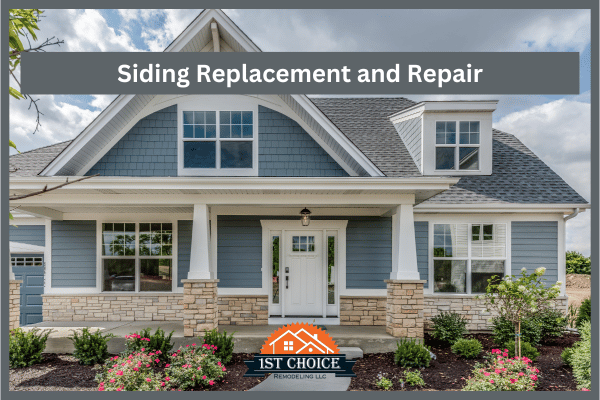
Siding Replacement and Repair

Quick Highlights: Why Siding Replacement and Repair Matters

  • Siding replacement and repair boosts your home’s curb appeal and structural integrity.
  • Properly maintained siding protects against moisture, pests, and extreme weather conditions.
  • New siding improves energy efficiency, lowering heating and cooling costs.
  • Unique and conventional siding designs can enhance your home’s aesthetics.
  • Professional installation ensures durability, longevity, and proper insulation.

Why Siding Replacement and Repair Is Essential

Your home’s siding acts as a protective barrier against the elements. Over time, exposure to weather, moisture, and wear can cause damage. Ignoring siding issues can lead to costly structural problems. Investing in siding replacement and repair enhances both protection and visual appeal.

Signs It’s Time for New Siding

Signs of Siding Disrepair

Not sure if your siding needs repair or replacement? Look for these common signs:

  • Cracks, warping, or loose panels
  • Frequent need for painting or fading color
  • Mold, mildew, or rot
  • Increased energy bills due to poor insulation
  • Visible water damage or interior wall stains

Conventional vs. Unique Siding Designs

Create Stand Out Unique Style with  siding Replacement

Choosing the right siding style can dramatically change your home’s look. Conventional designs include:

  • Vinyl Siding – Affordable, low-maintenance, and available in various colors.
  • Fiber Cement – Durable and resistant to fire, moisture, and pests.
  • Wood Siding – Classic aesthetic with a natural appeal.

For homeowners seeking something unique, modern siding options include:

  • Mixed Materials – Combining stone, metal, or wood accents for a custom look.
  • Vertical Siding – A bold departure from traditional horizontal designs.
  • Dark-Colored Siding – Trending for a striking, contemporary appearance.

Updating your siding can create a personalized, eye-catching exterior.

Benefits of Professional Siding Replacement

New siding does more than enhance appearance. It offers functional advantages, such as:

  • Increased Energy Efficiency – Quality siding reduces heat loss and improves insulation.
  • Low Maintenance – Modern materials require minimal upkeep.
  • Improved Home Value – Fresh siding enhances resale appeal.
  • Protection Against Moisture – Prevents water damage and mold growth.

Cost Considerations for Siding Replacement and Repair

The cost of siding replacement varies based on material, home size, and labor. Here’s an overview:

  • Vinyl Siding – Affordable, ranging from $4 to $8 per square foot.
  • Fiber Cement – Durable but more expensive, averaging $6 to $12 per square foot.
  • Wood Siding – Elegant but high-maintenance, costing $8 to $14 per square foot.

Although upfront costs may seem high, energy savings and reduced maintenance make siding replacement a worthwhile investment.

Enhance Your Home with Professional Installation

Choosing a professional remodeling team ensures a seamless installation. Proper siding installation prevents issues like air leaks, water infiltration, and premature deterioration. At 1st Choice Remodeling, we offer expert siding replacement and repair to transform your home.

Get Started on Your Siding Project Today

Don’t wait until siding damage worsens. A timely upgrade protects your home and enhances its curb appeal. Contact us today for a consultation and estimate.


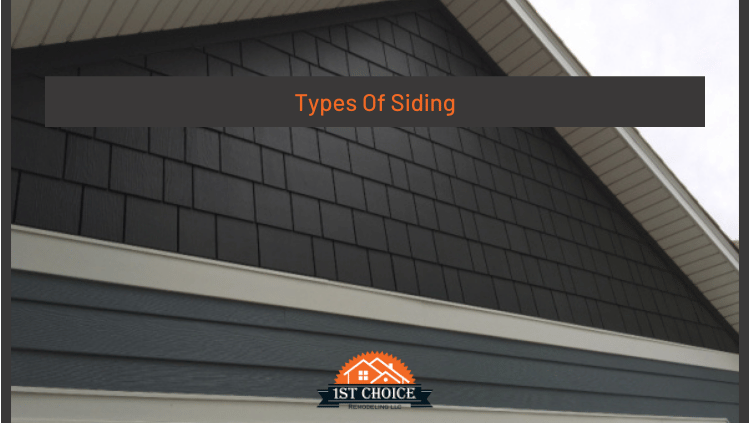
Types of Siding

Choosing the right siding for your home can drastically enhance its curb appeal, protect it from the elements, and improve energy efficiency. With so many options available, it’s important to understand the pros and cons of each type to find the best fit for your project. Let’s take a look at four popular siding choices that can help you make the right decision:

Vinyl Siding

Vinyl siding is one of the most popular choices for homeowners due to its cost-effectiveness and low maintenance. It comes in a wide variety of colors and styles, offering versatility for different home designs. Vinyl is also durable, resistant to fading, and doesn’t need painting, making it a hassle-free option for many. If you’re looking for a budget-friendly siding solution that can stand the test of time, vinyl is a great choice.

Vinyl Siding

Edco Steel Siding

For a sleek, modern look with outstanding durability, Edco steel is a top contender. Known for its resistance to fading, chipping, and cracking, steel siding is perfect for homeowners looking for long-term performance and minimal upkeep. It’s also incredibly strong, providing extra protection against harsh weather conditions, and offers a clean, contemporary appearance that can elevate any home’s exterior.

traditional Steel siding By Edco

LP SmartSide with Diamond Kote Finish

If you love the aesthetic of traditional wood but want something that offers more durability, LP SmartSide with Diamond Kote Finish might be the right option for you. This siding combines the charm of wood with the strength of engineered materials, offering resistance to moisture, pests, and rot. Plus, the Diamond Kote finish provides a 30-year no-fade warranty, ensuring your siding stays vibrant and beautiful for decades. It’s perfect for homeowners seeking both style and longevity.

Lp Smartside diamond kote


James Hardie Cement Board

For those looking for a timeless, classic look, James Hardie cement board is a standout option. It combines elegance with exceptional durability, offering protection against fire, pests, and extreme weather. This siding is also low-maintenance, making it a fantastic choice for homeowners who want a refined appearance without the hassle of constant upkeep.

James Hardie Siding

Which One Is Right for You?

The right siding for your home depends on your style preferences, budget, and the level of maintenance you’re willing to commit to. Whether you want the affordability of vinyl, the modern appeal of steel, the traditional warmth of wood, or the lasting durability of cement board, there’s a siding solution that fits your needs.

At 1st Choice Remodeling, we specialize in helping homeowners choose the perfect siding for their projects. With our expertise, you can be sure you’ll get the best combination of quality, durability, and aesthetics. Contact us today to schedule a consultation and get started on enhancing the exterior of your home!

Contact 1st Choice Remodeling for more information or a free estimate.

1st Choice Remodeling logo